
INNER LIFE
SANTIAGO GARCÍA SÁENZ
CURATED BY FRANCISCO LEMUS
HACHE
Buenos Aires, Argentina
JUL 7. — NOV 30. 2026
EXHIBITION VIEW
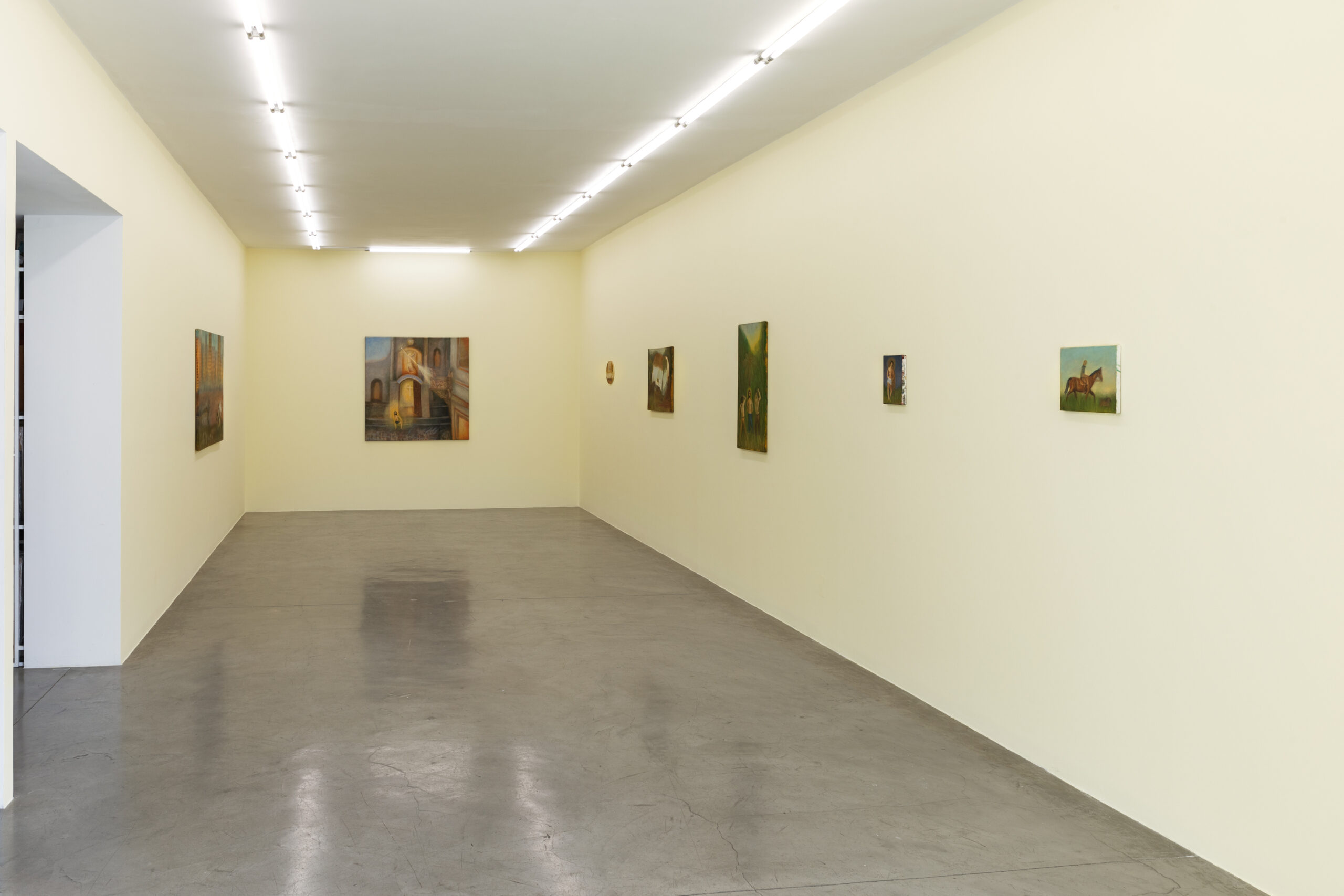
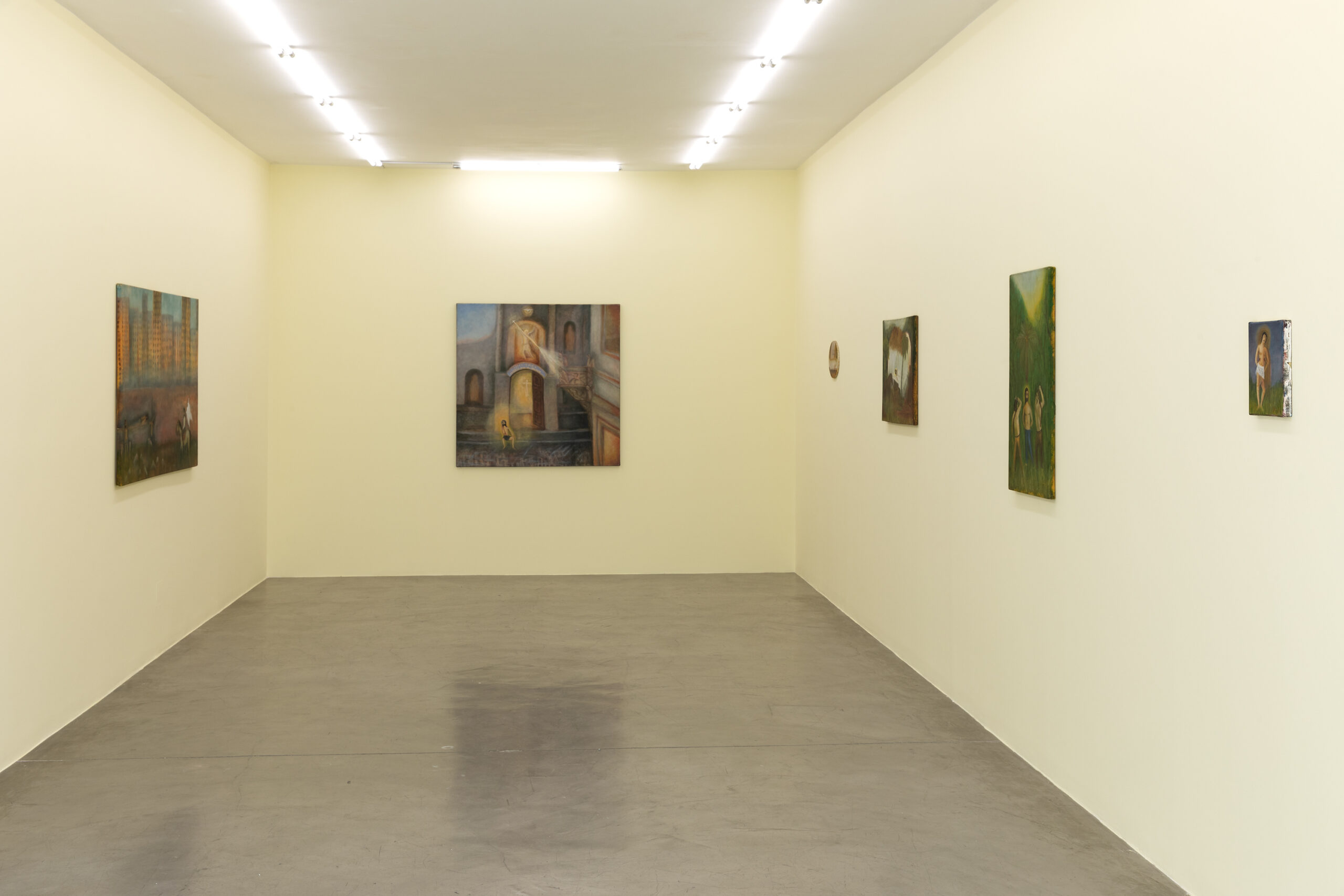
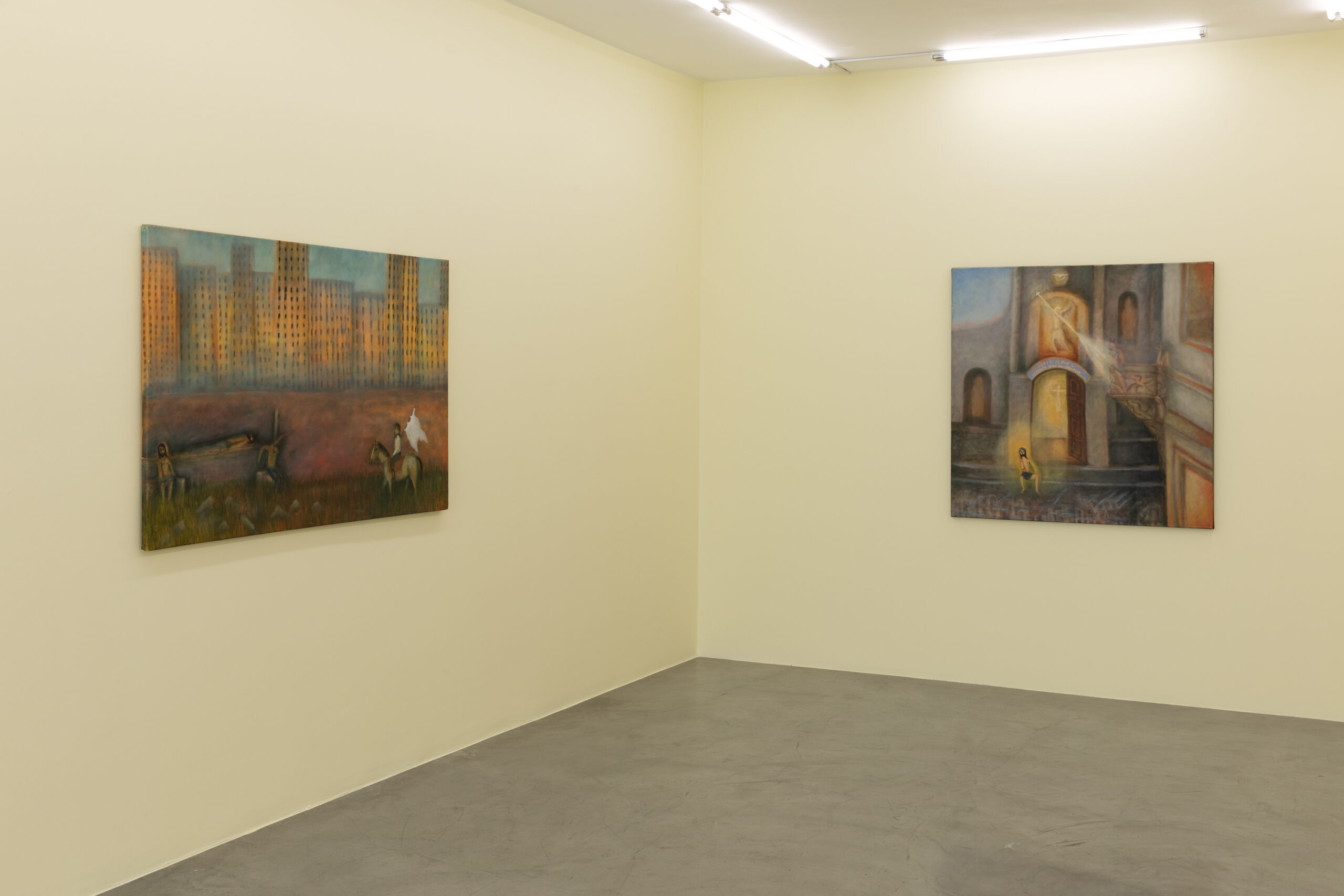
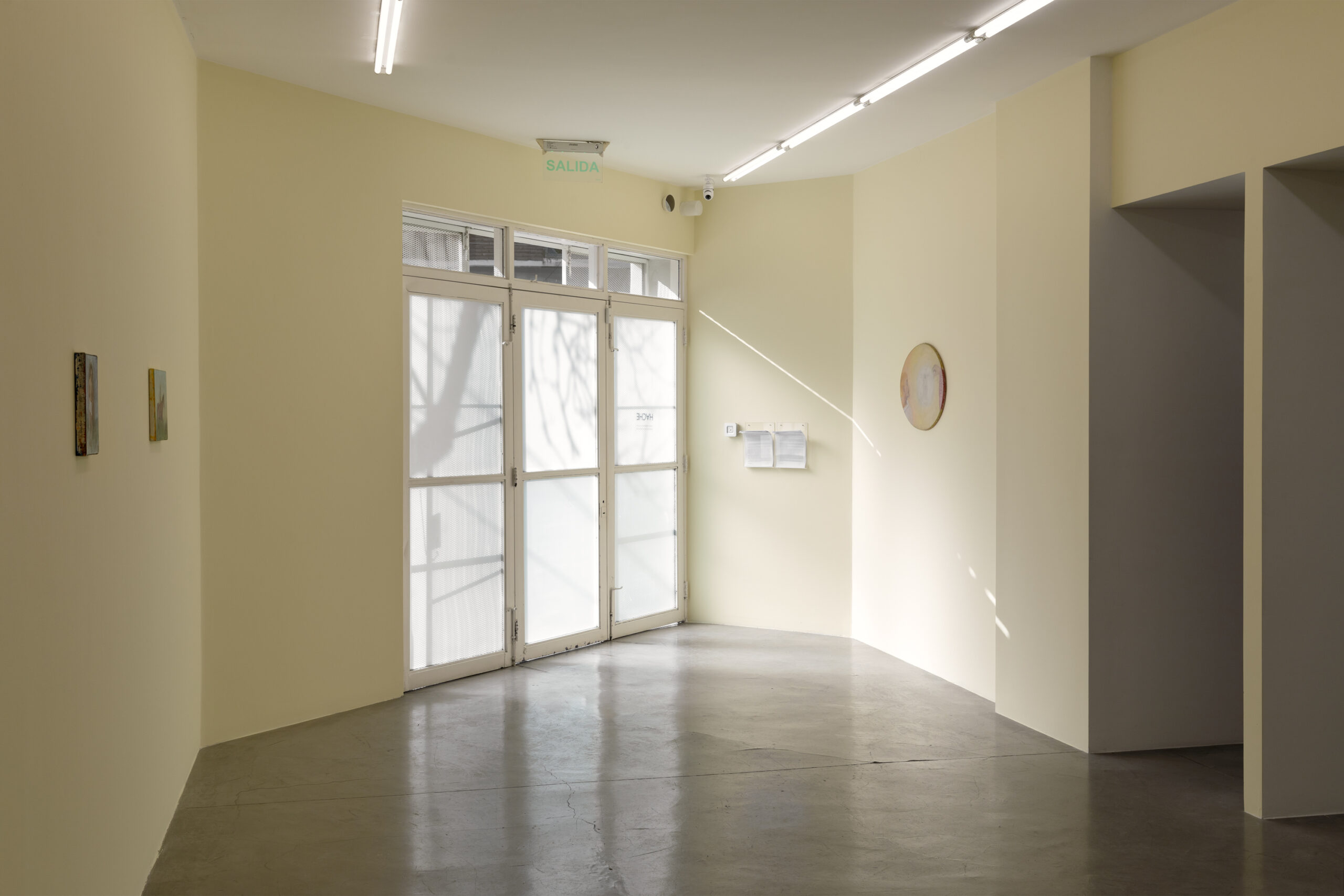
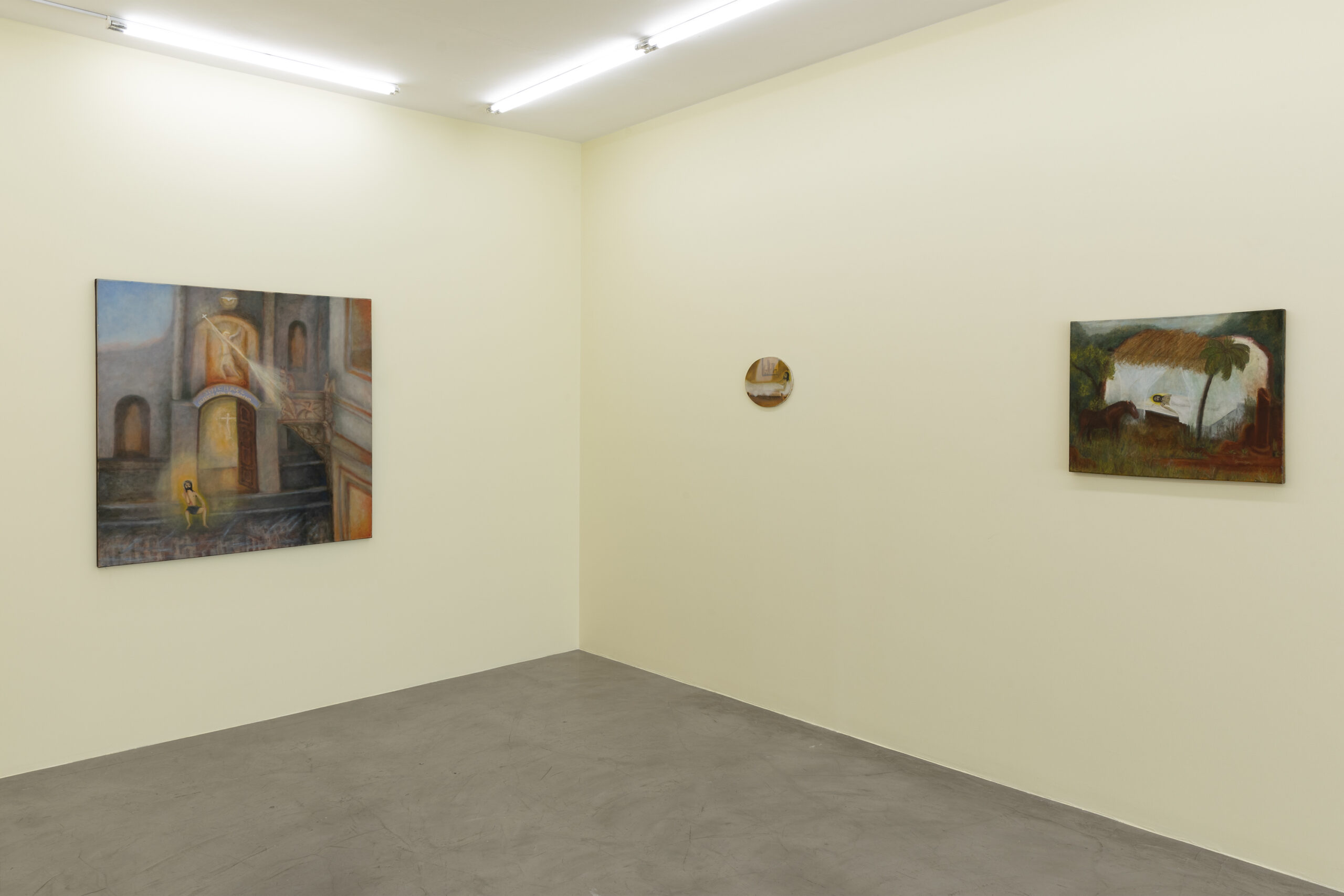
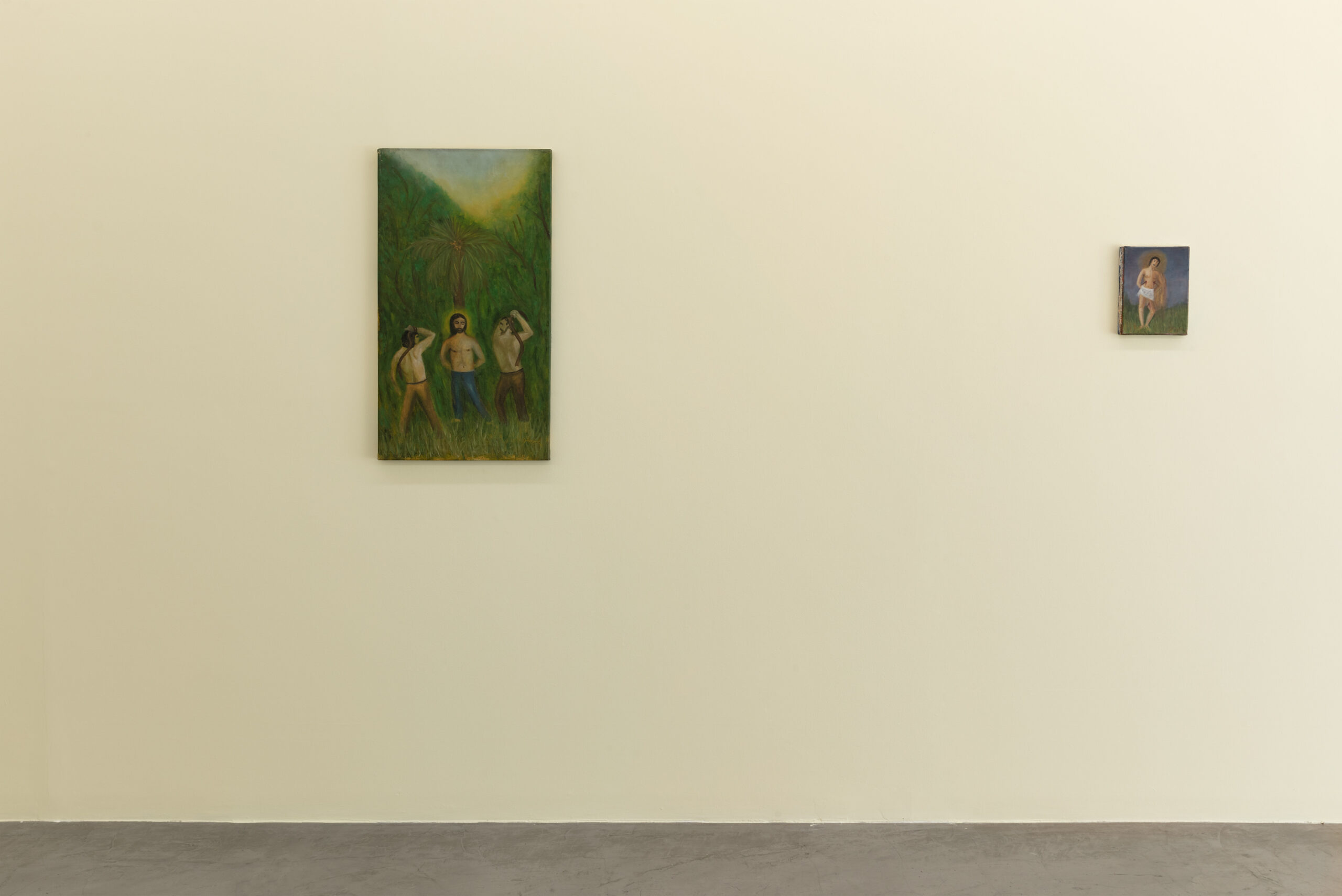
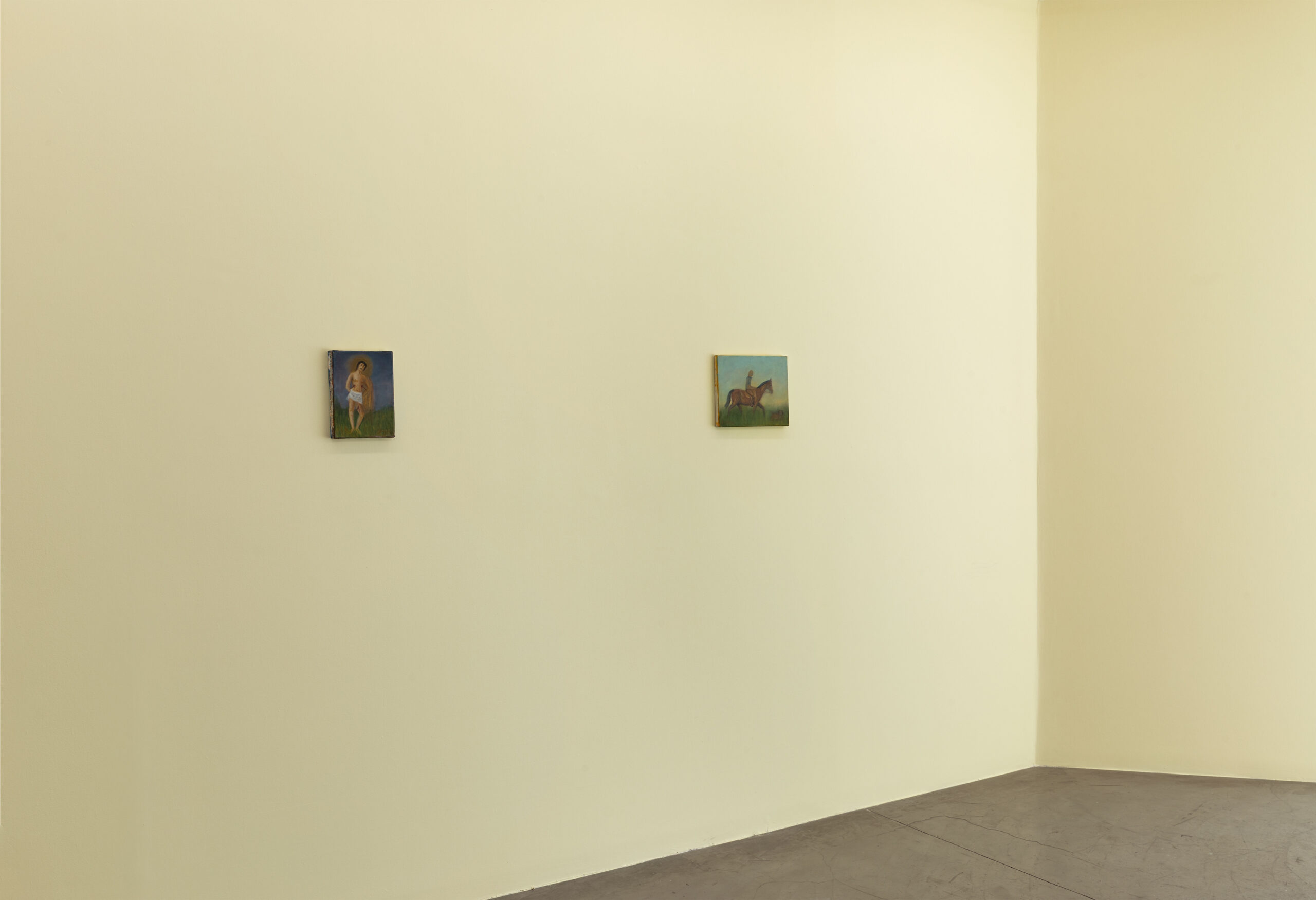
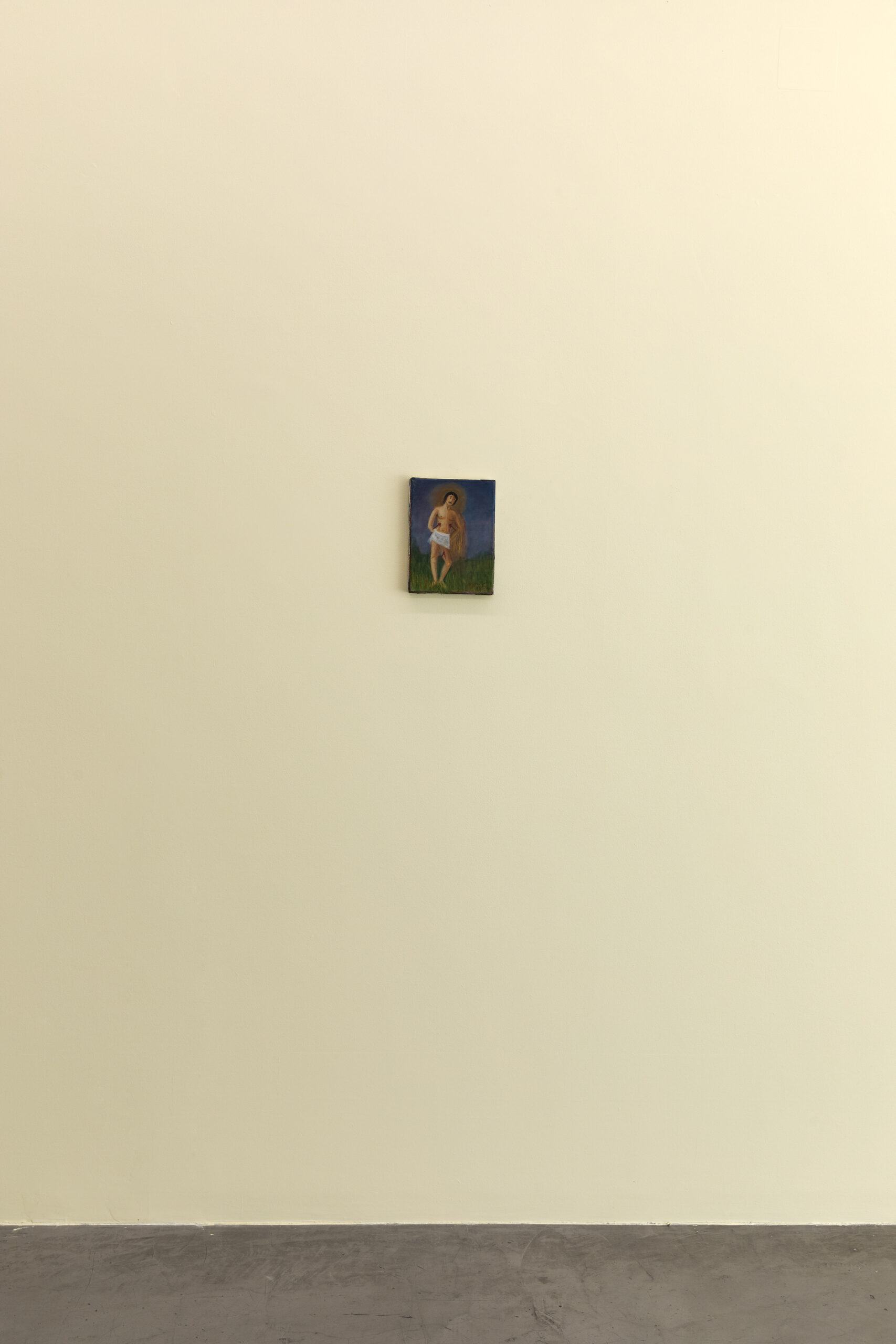
Ph. Ignacio Iasparra
WORKS
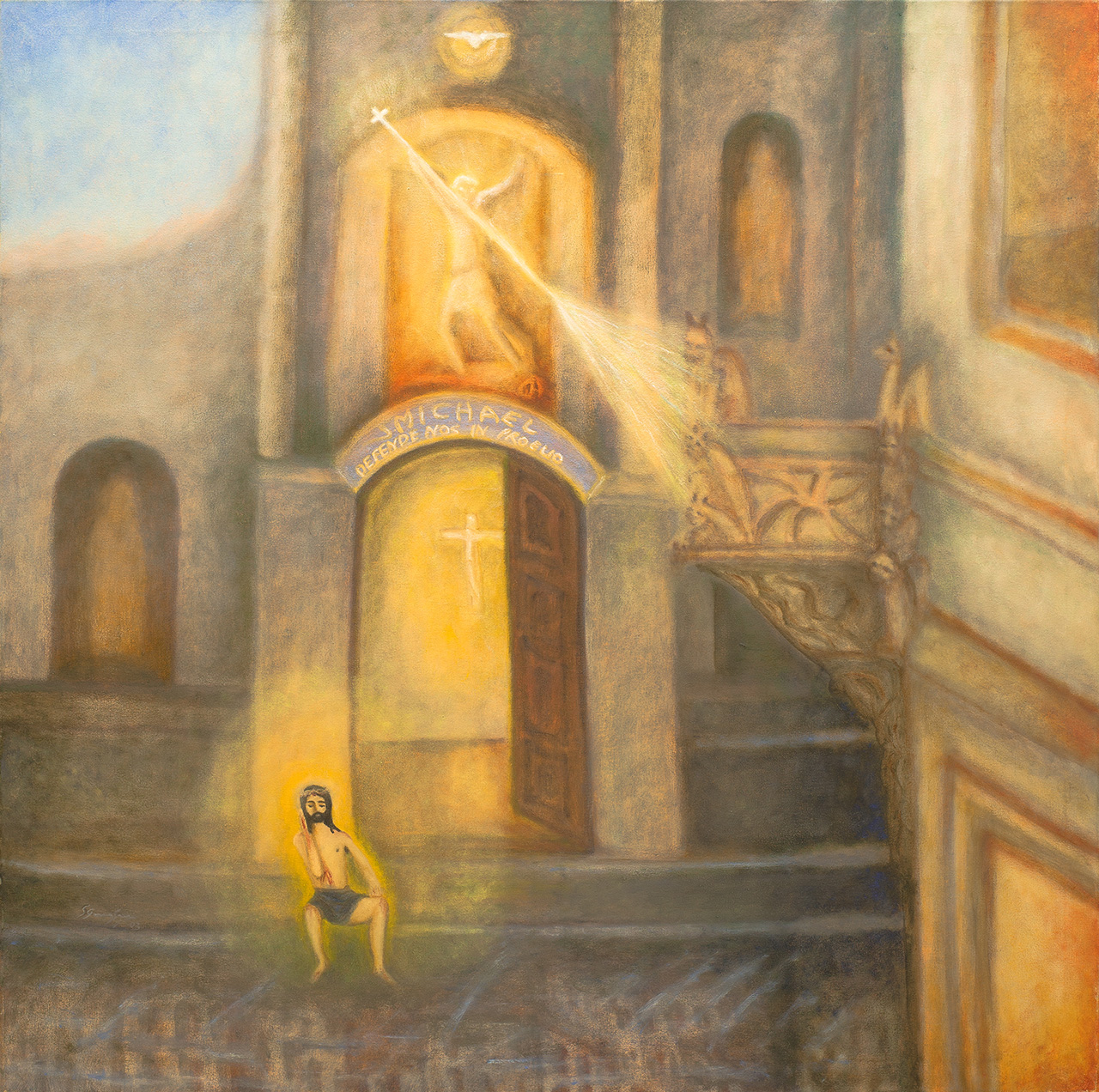
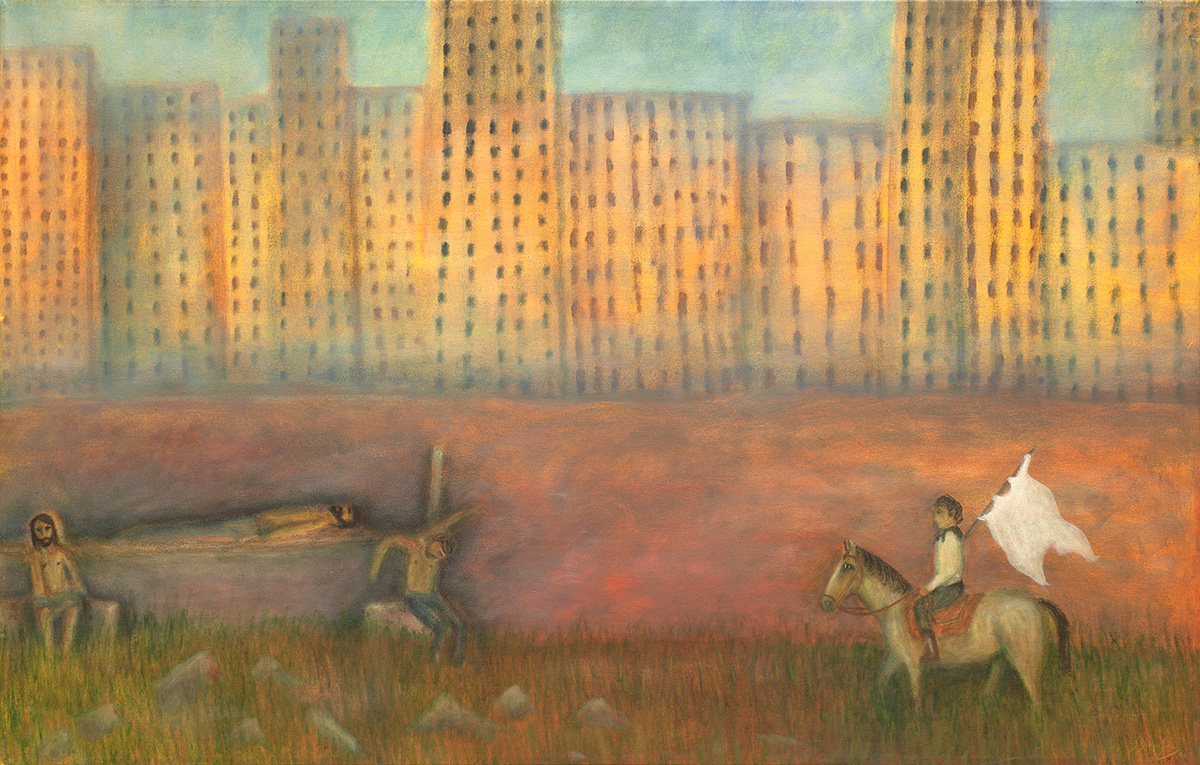
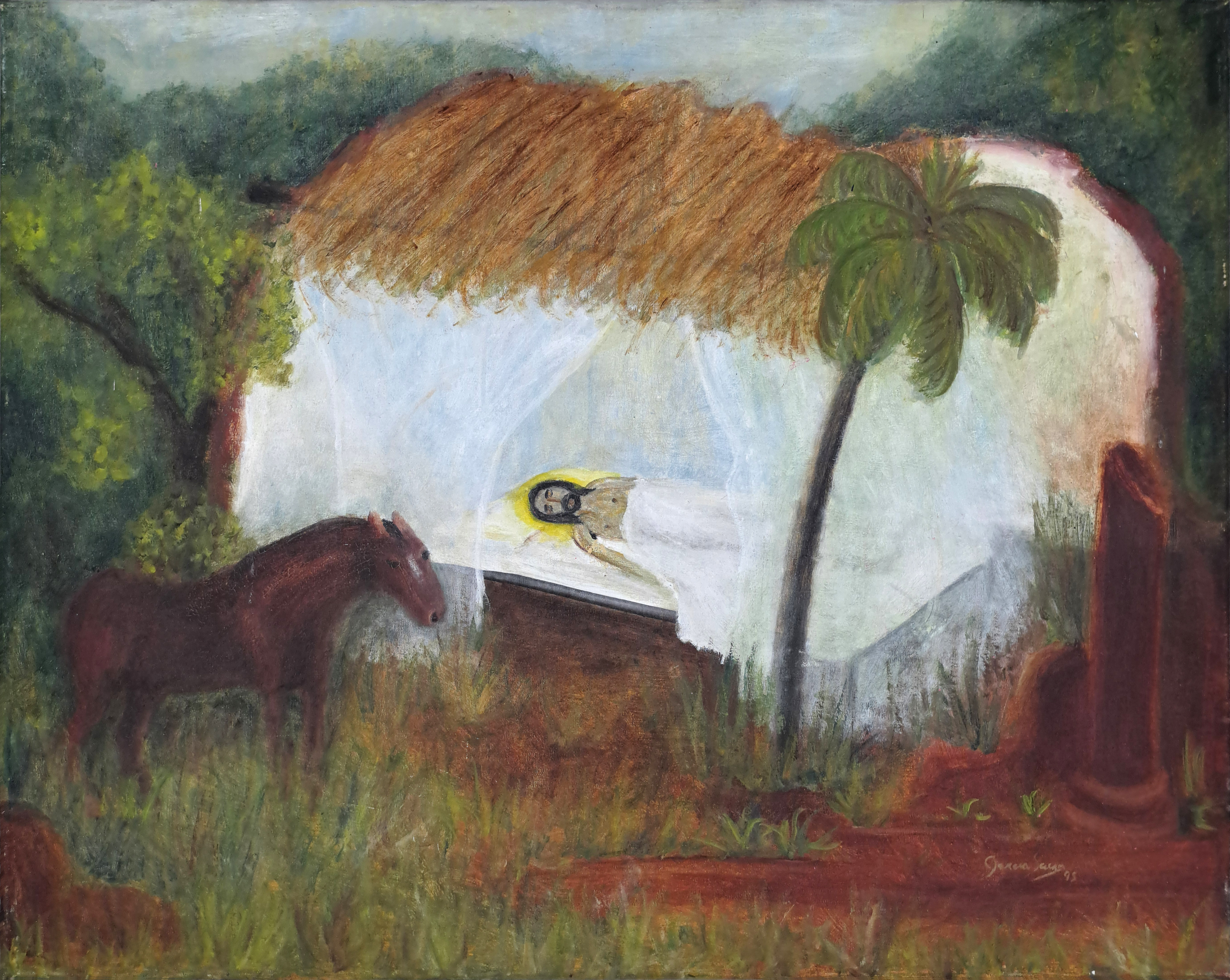
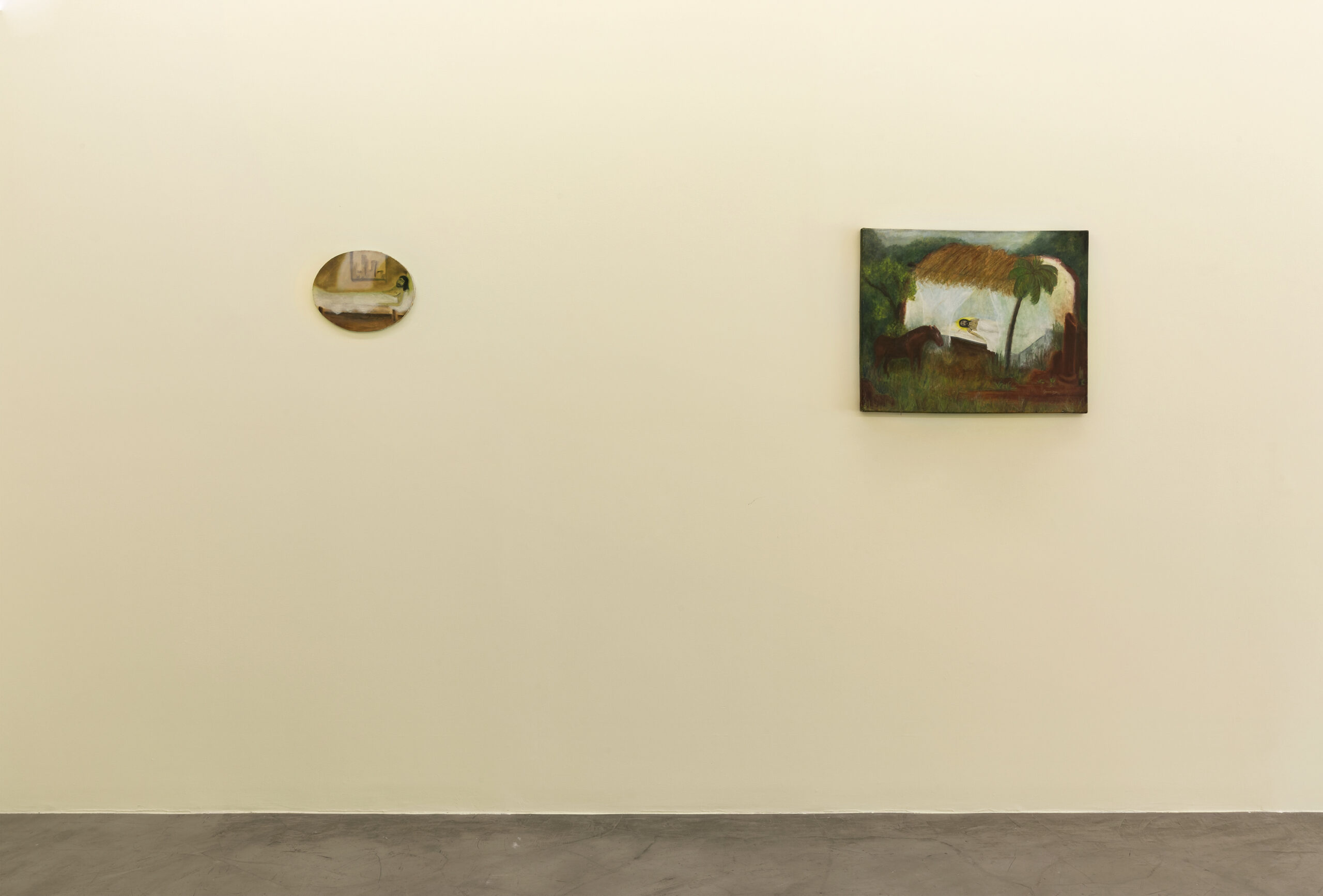
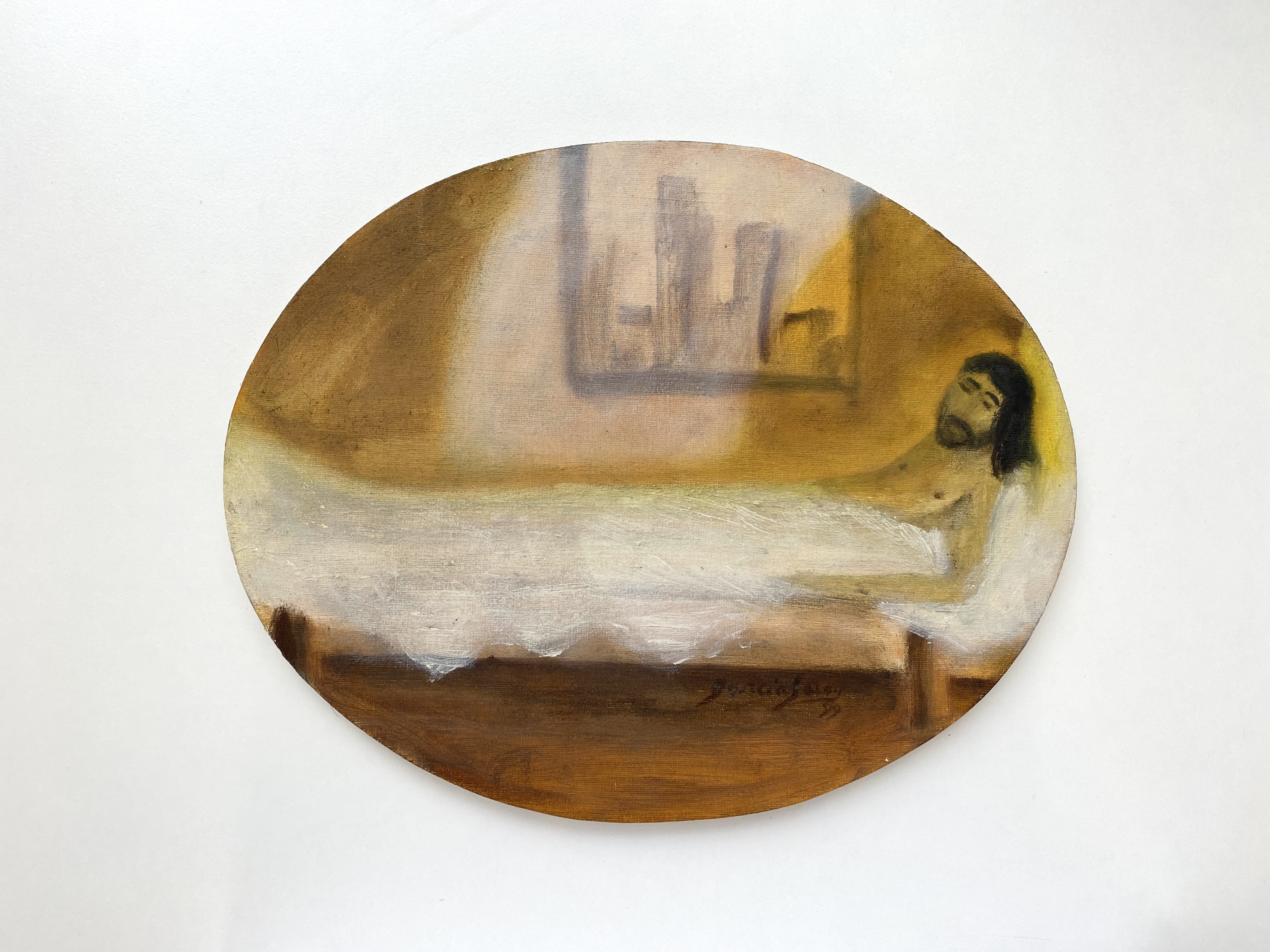
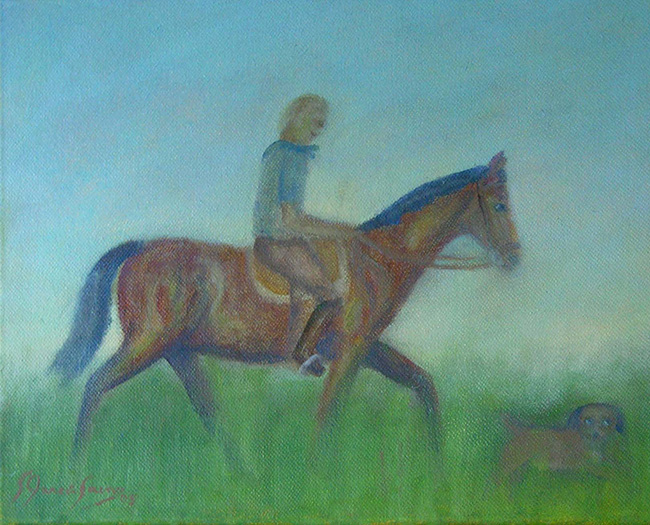
Sick Gaucho Christ. Series Christ in the Afflicted, 1995
Santiago García Sáenz
Oil on canvas
21.7 x 27.6 in
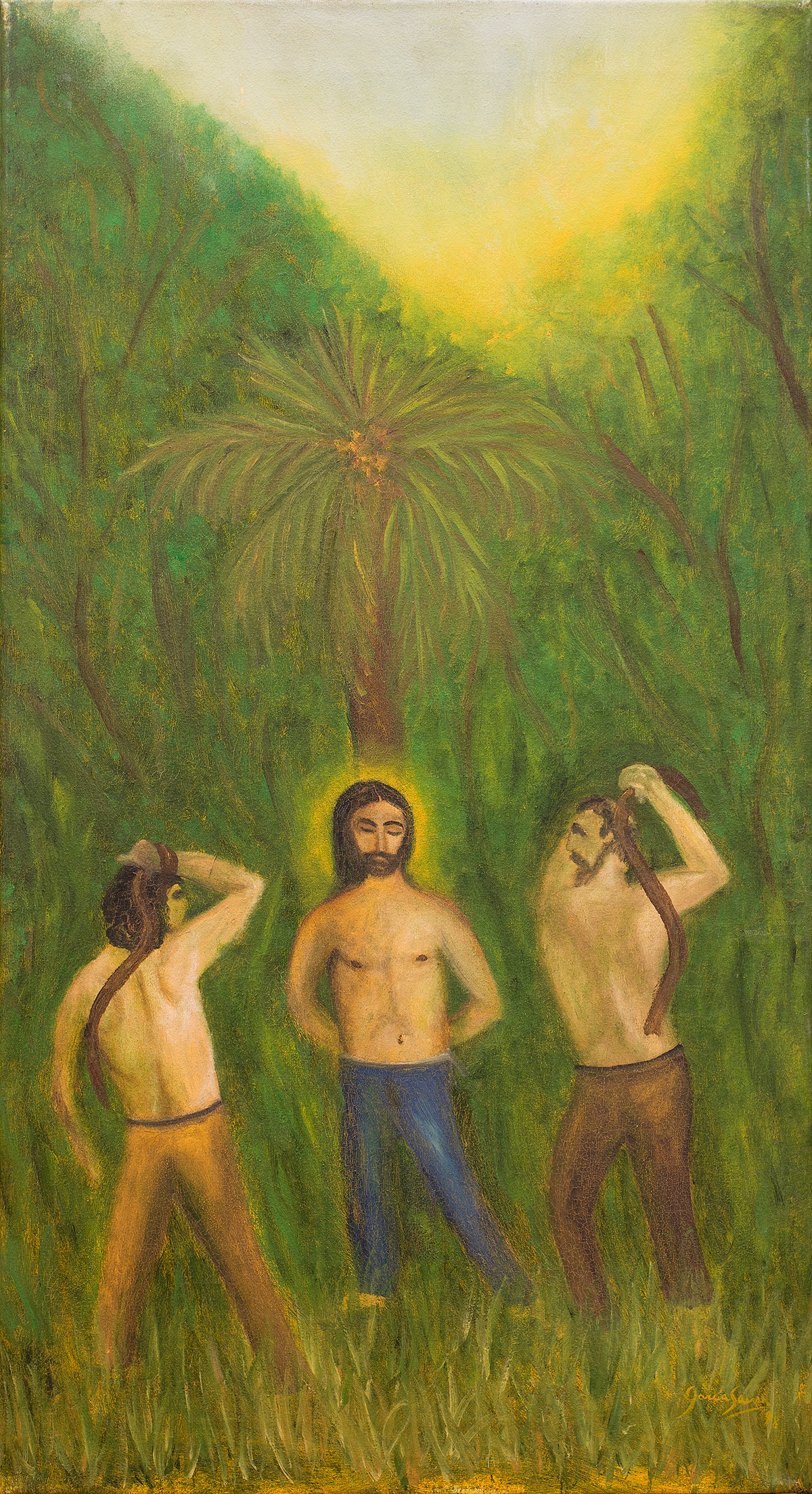
Untitled. Series Christ in the Afflicted, 1999
Santiago García Sáenz
Oil on canvas
9.4 x 11.8 in
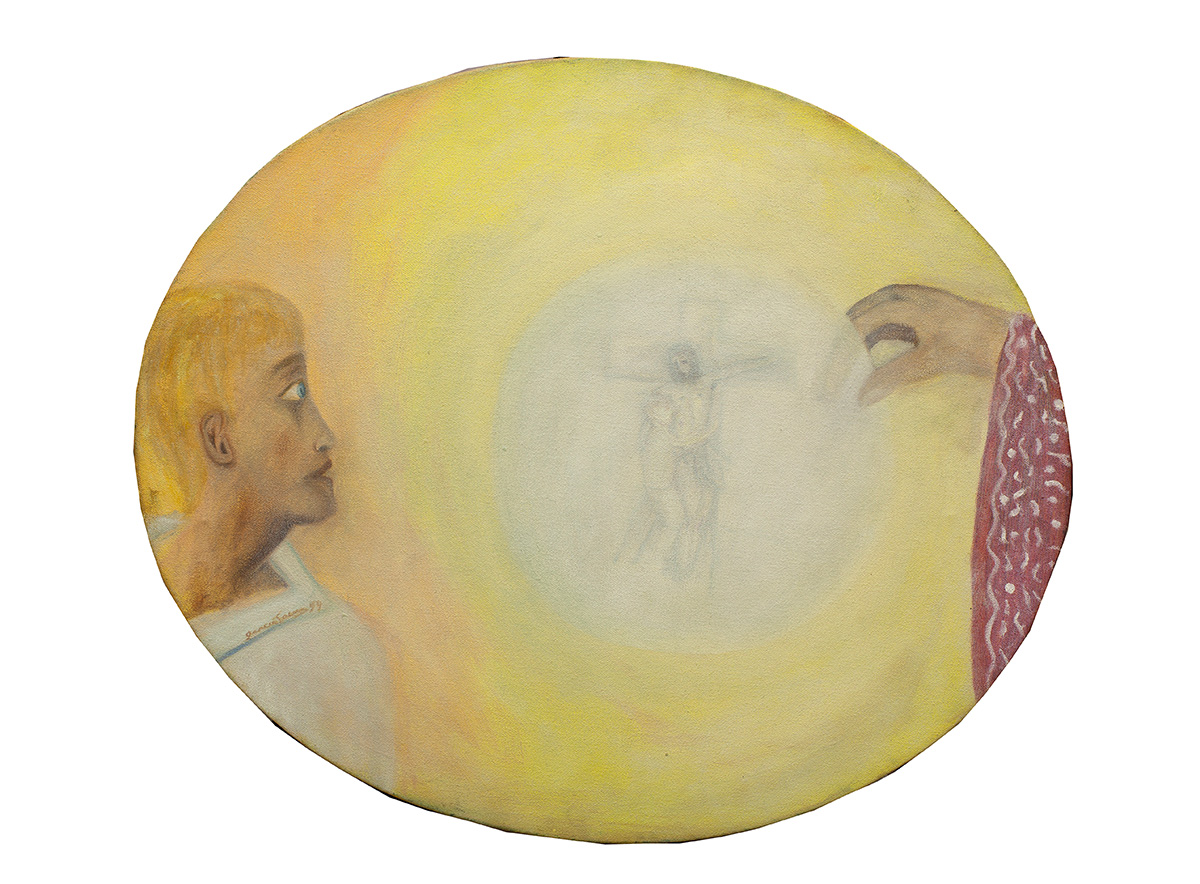
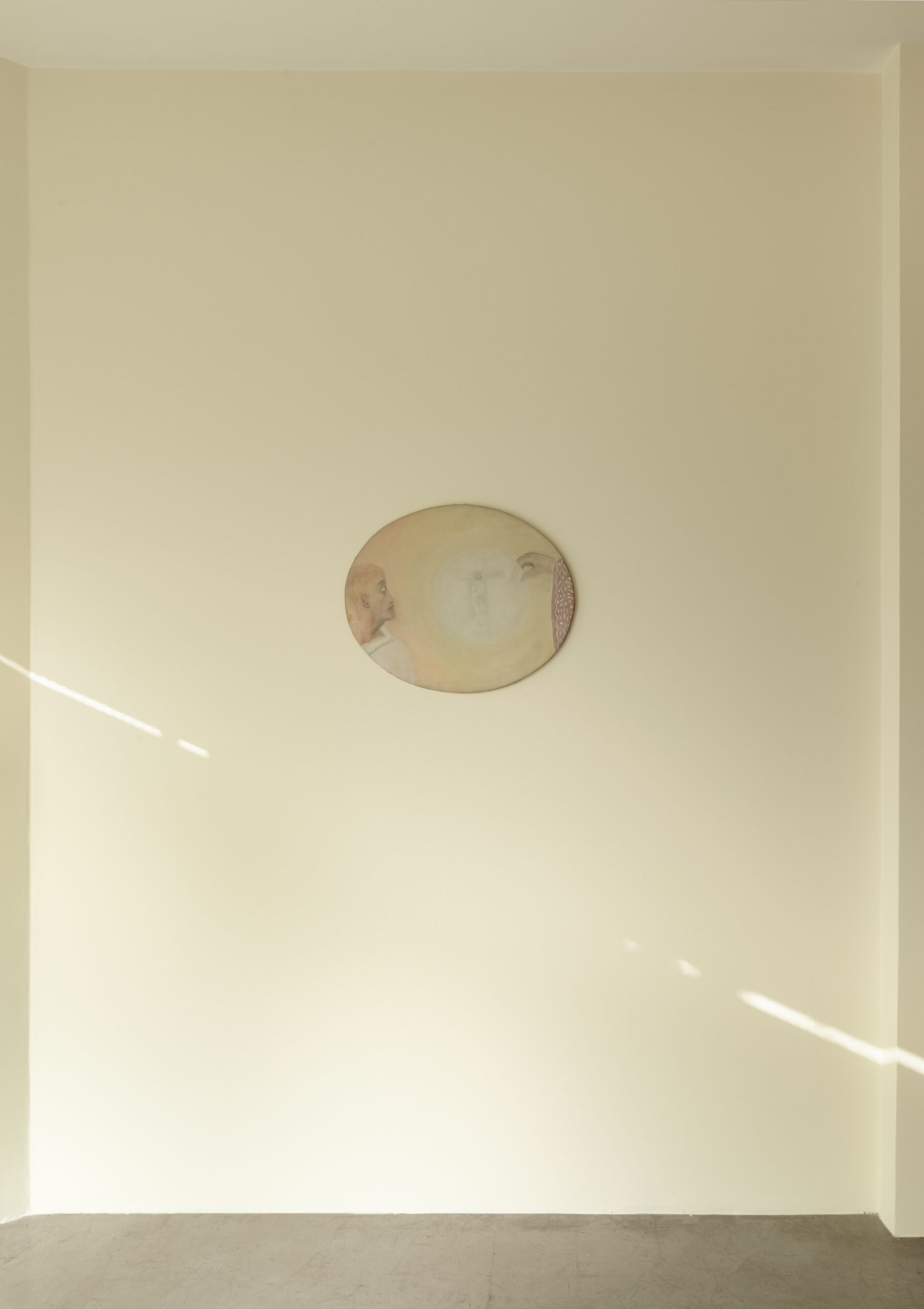
Self-Portrait receiving the First Communion, 1999
Santiago García Sáenz
Oil on canvas
19.7 x 23.6 in
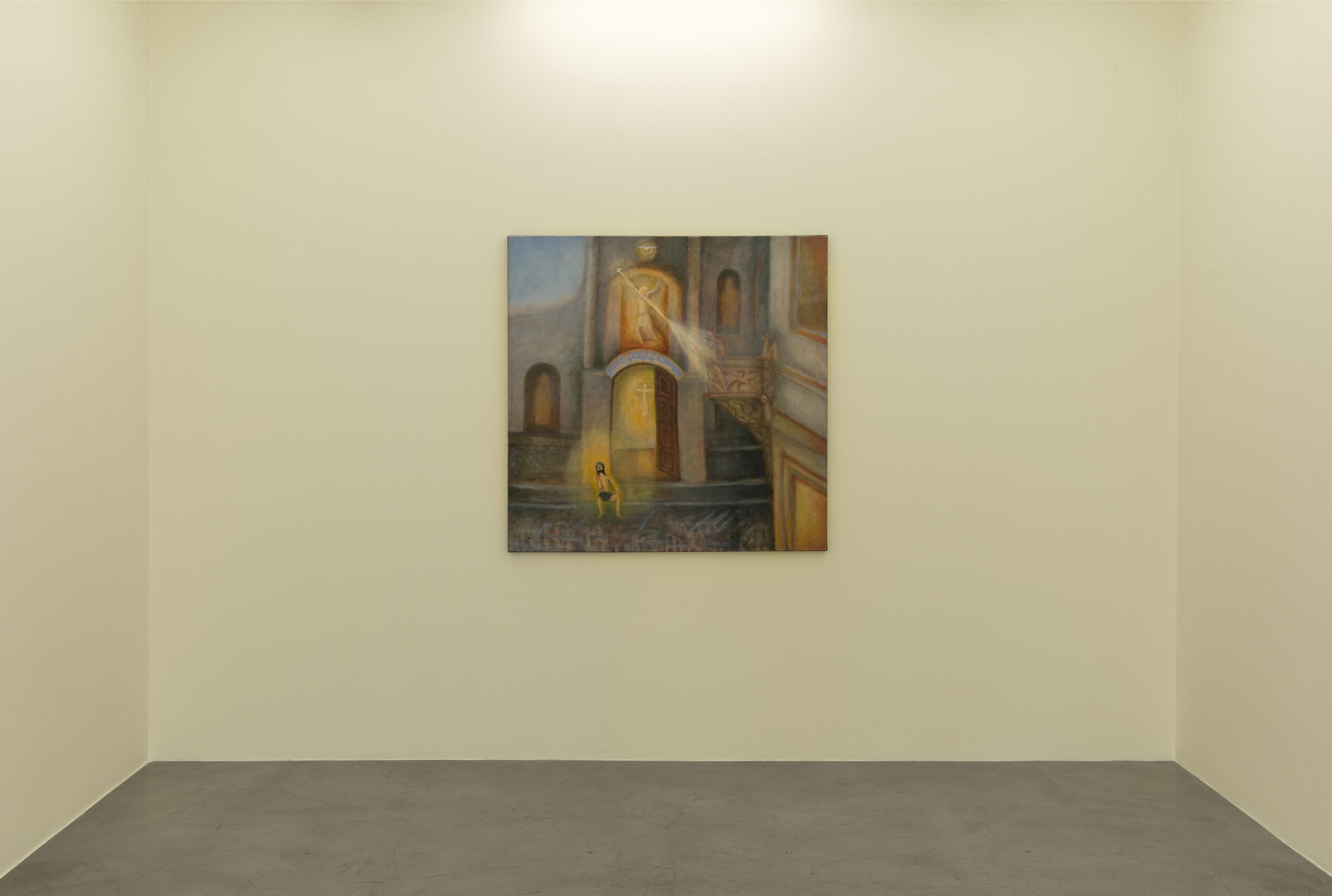
BACKROOM VIEWS
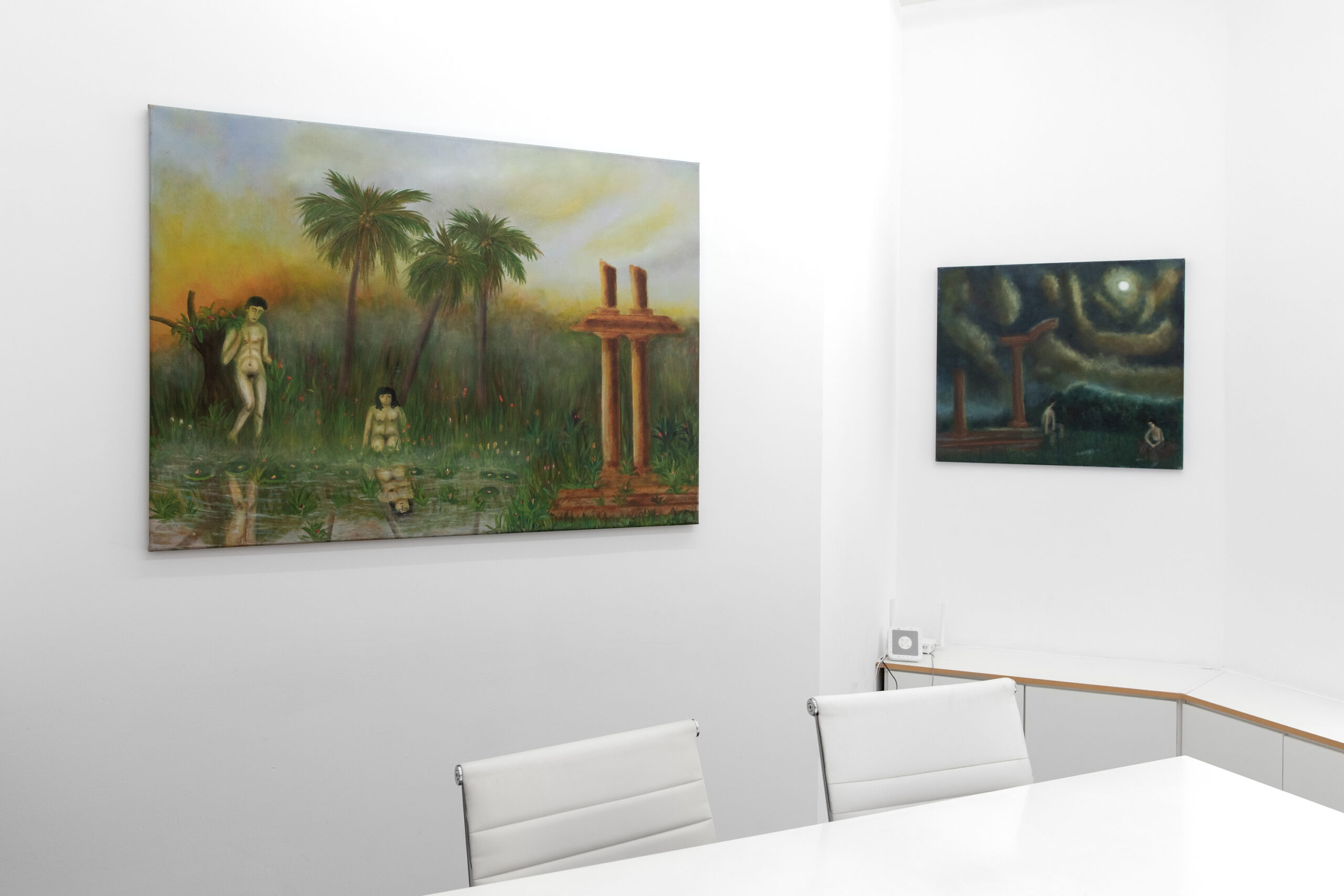
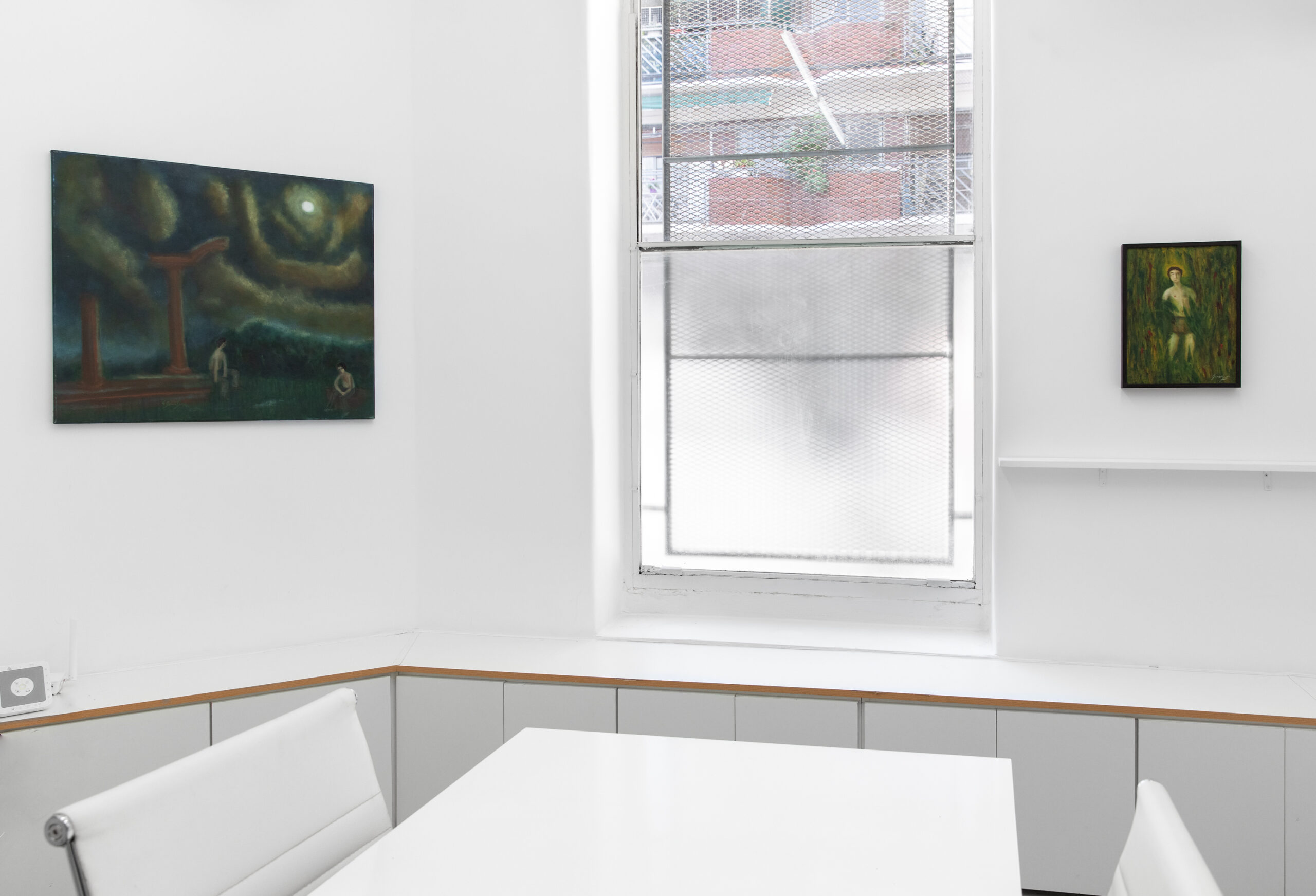
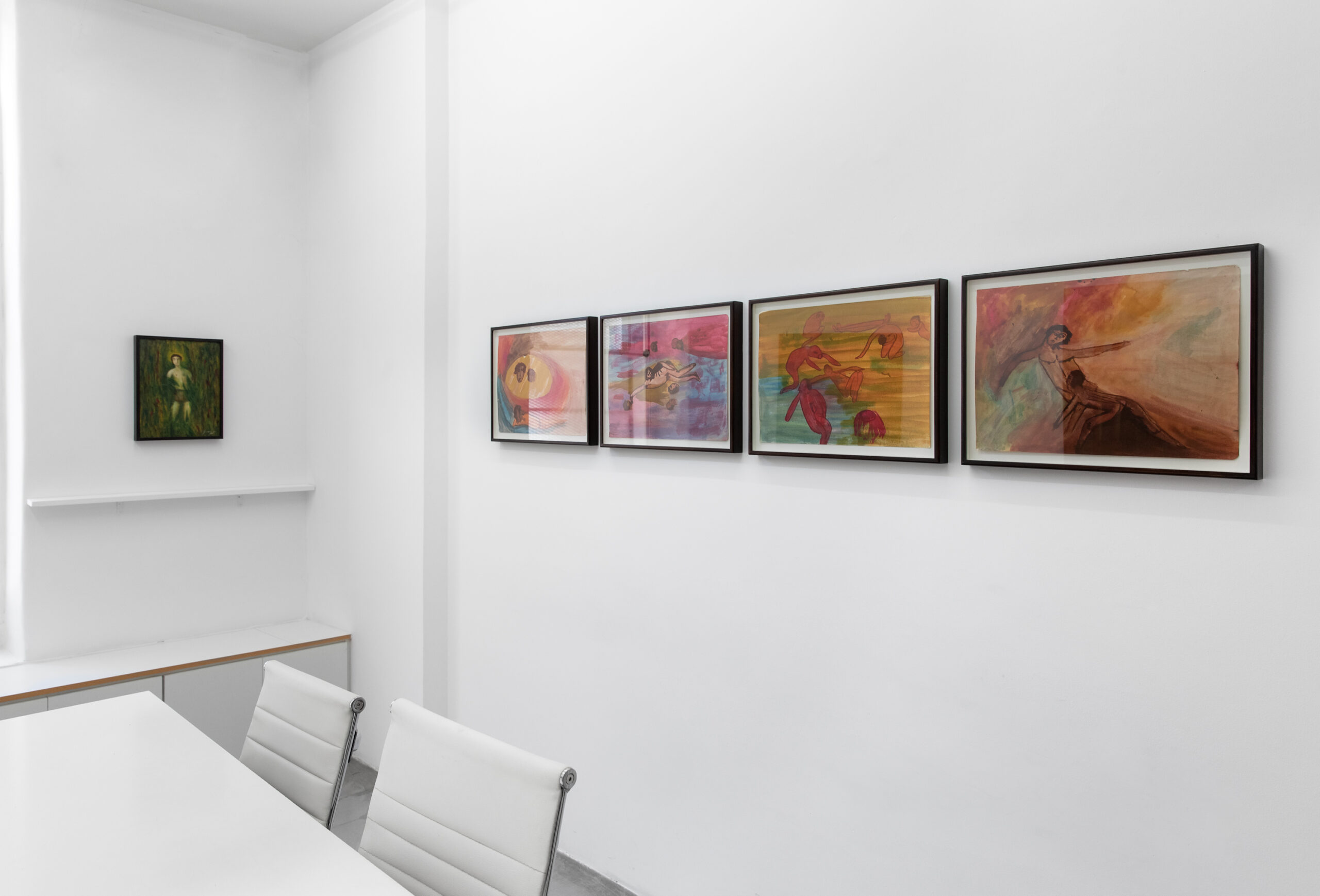
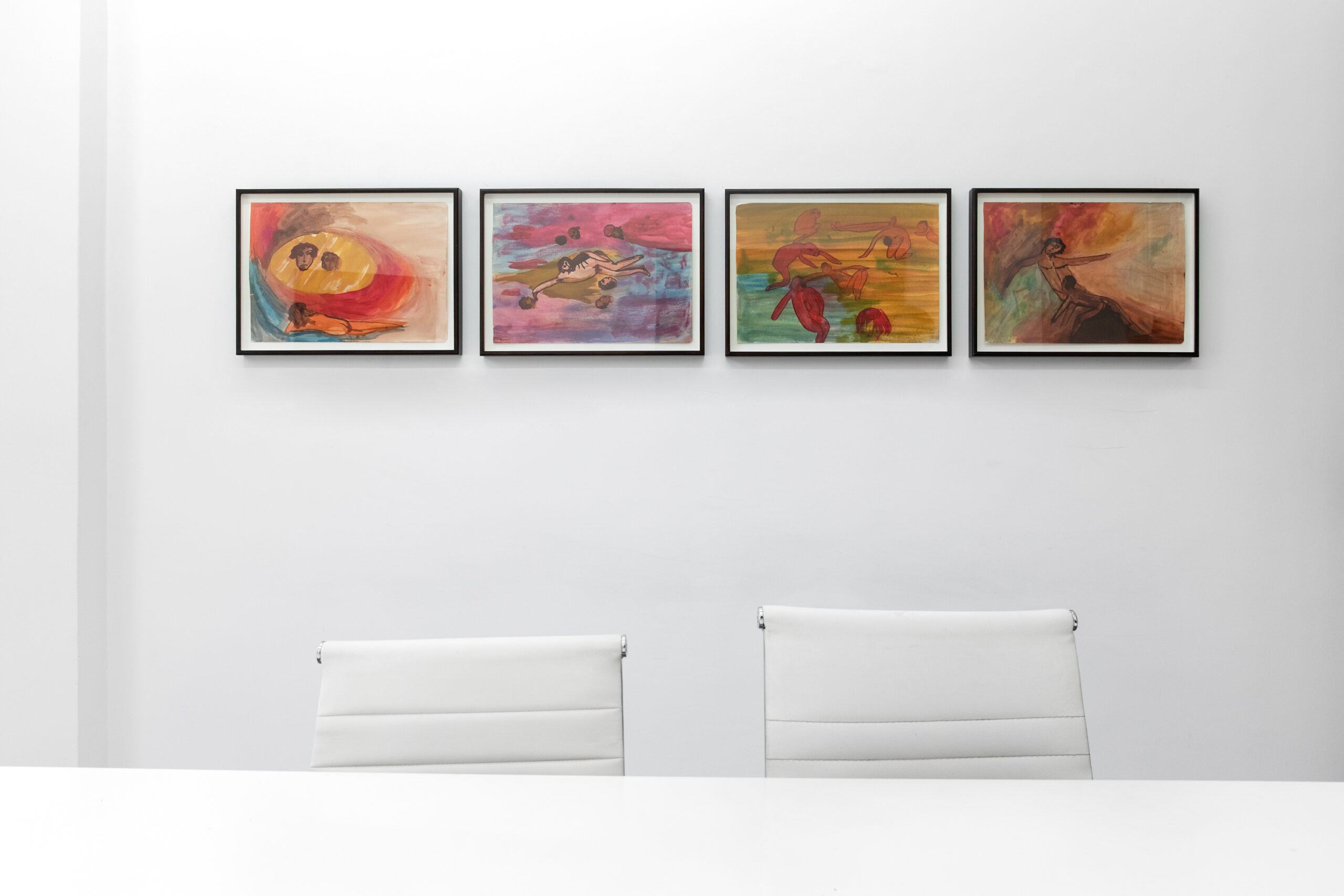
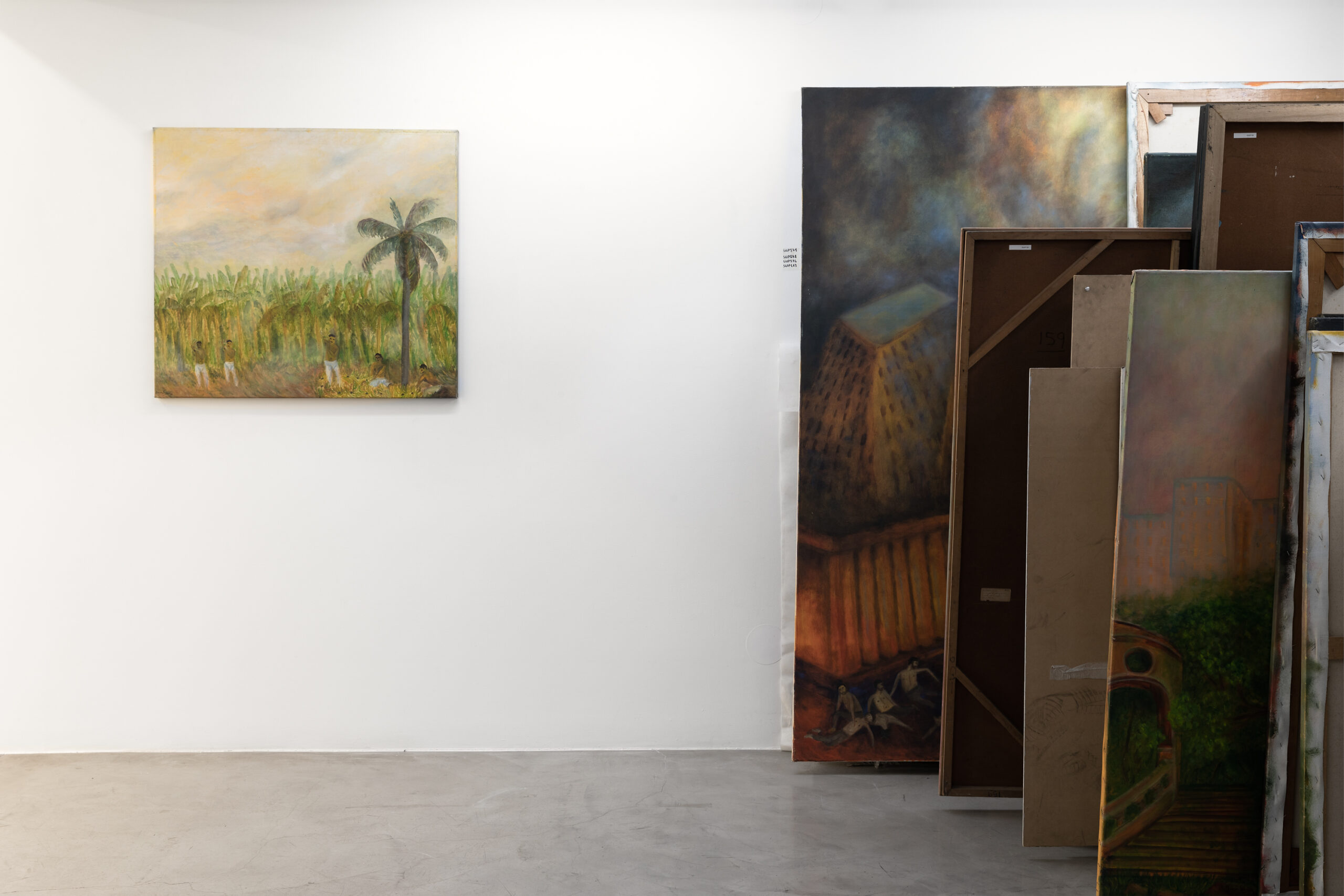
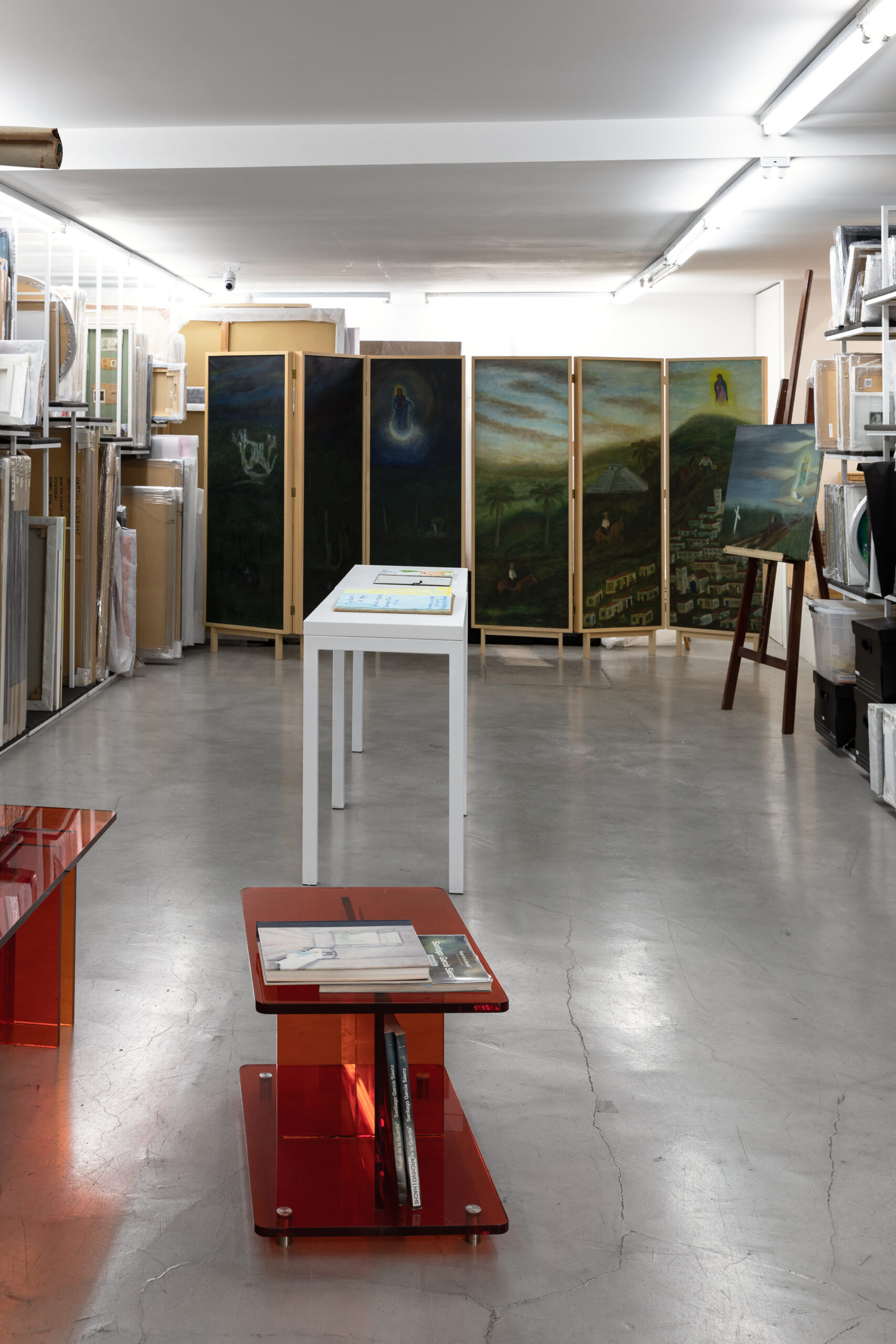
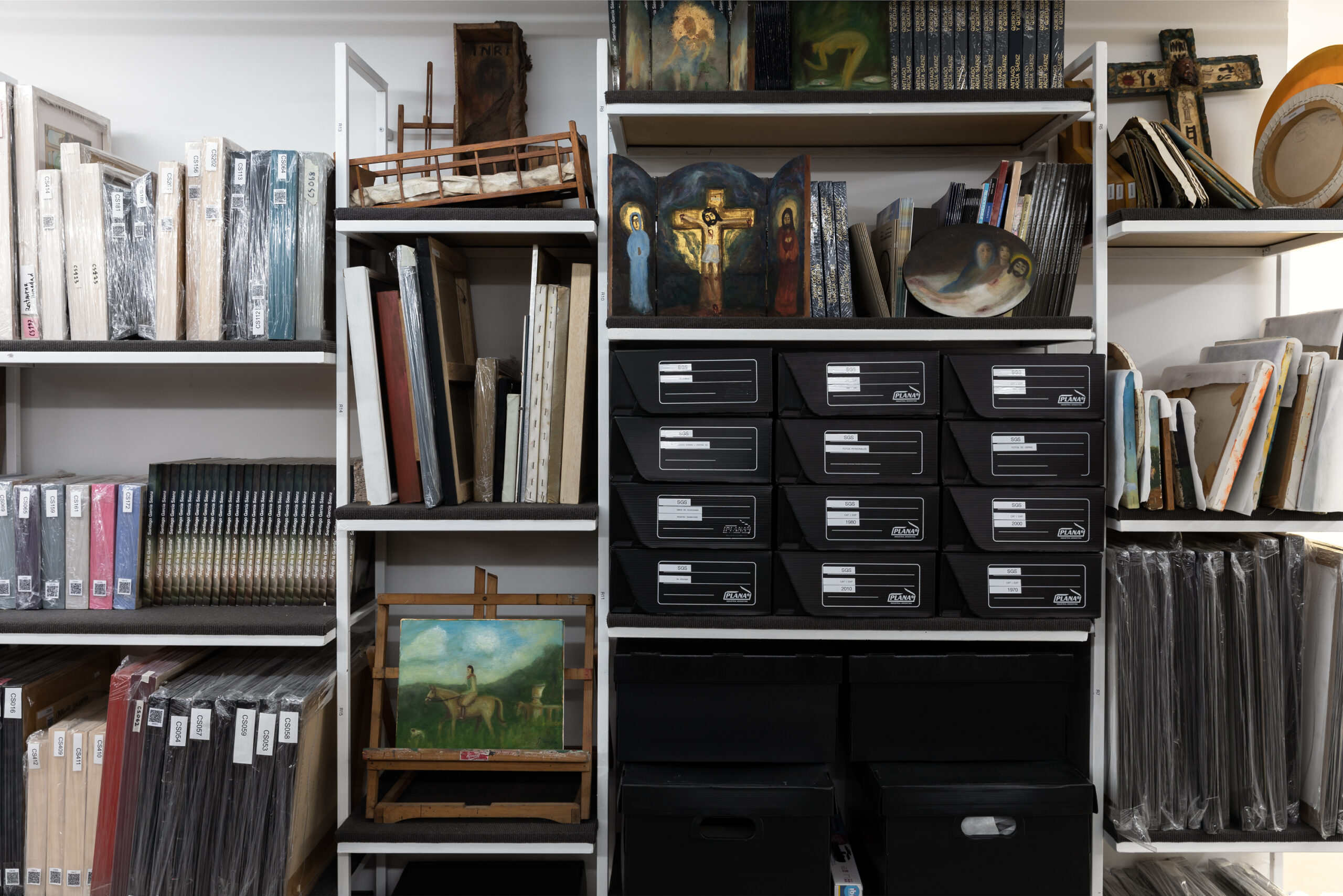
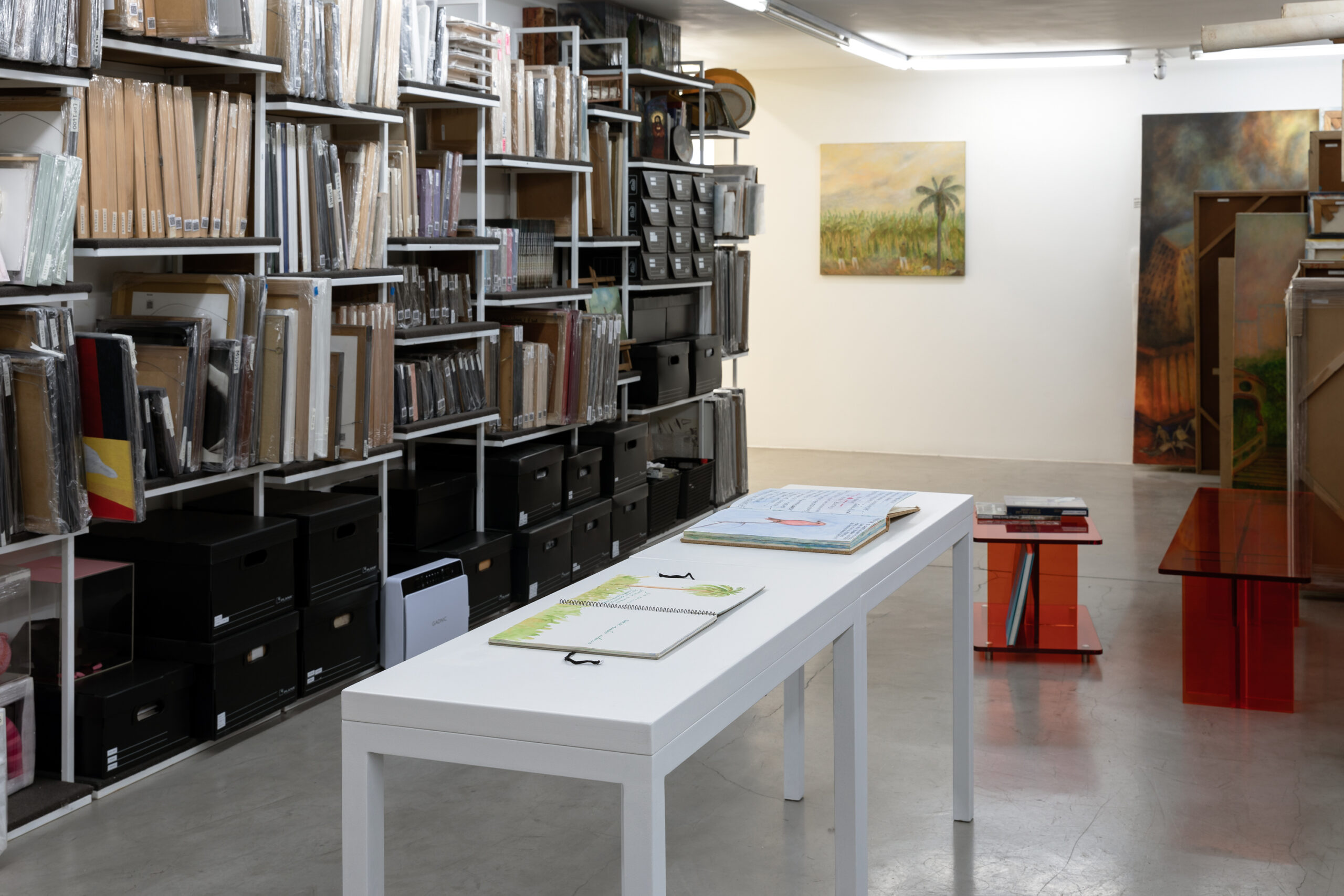
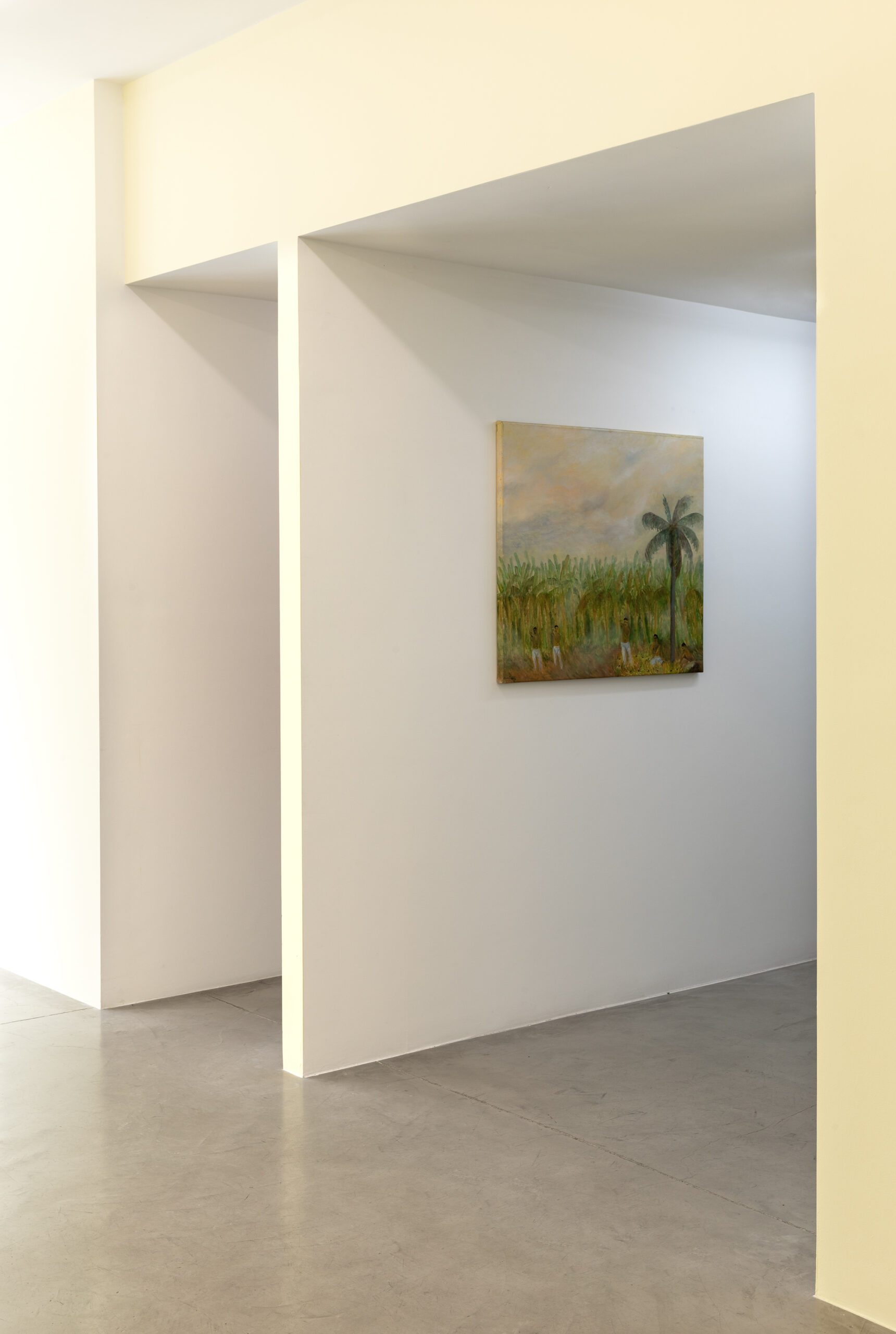
Ph. Ignacio Iasparra
BACKROOM WORKS
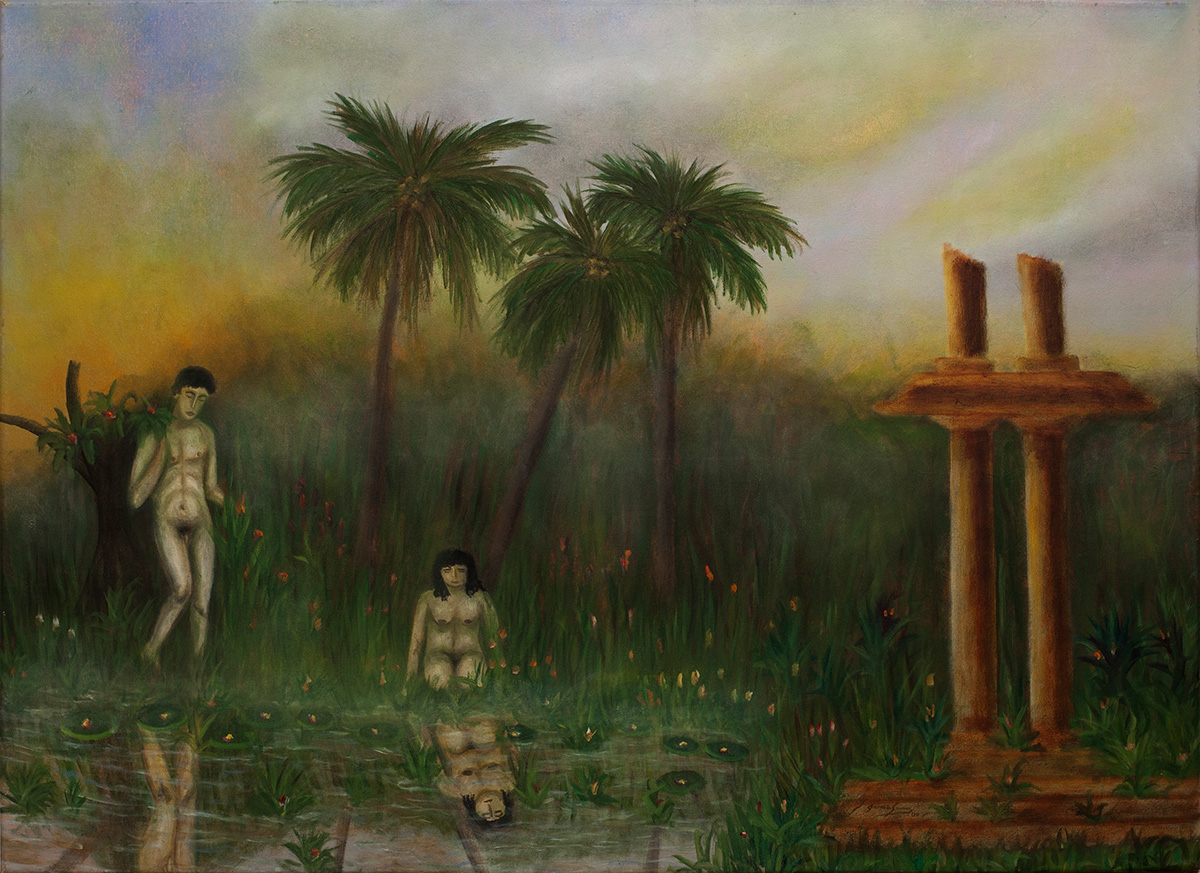
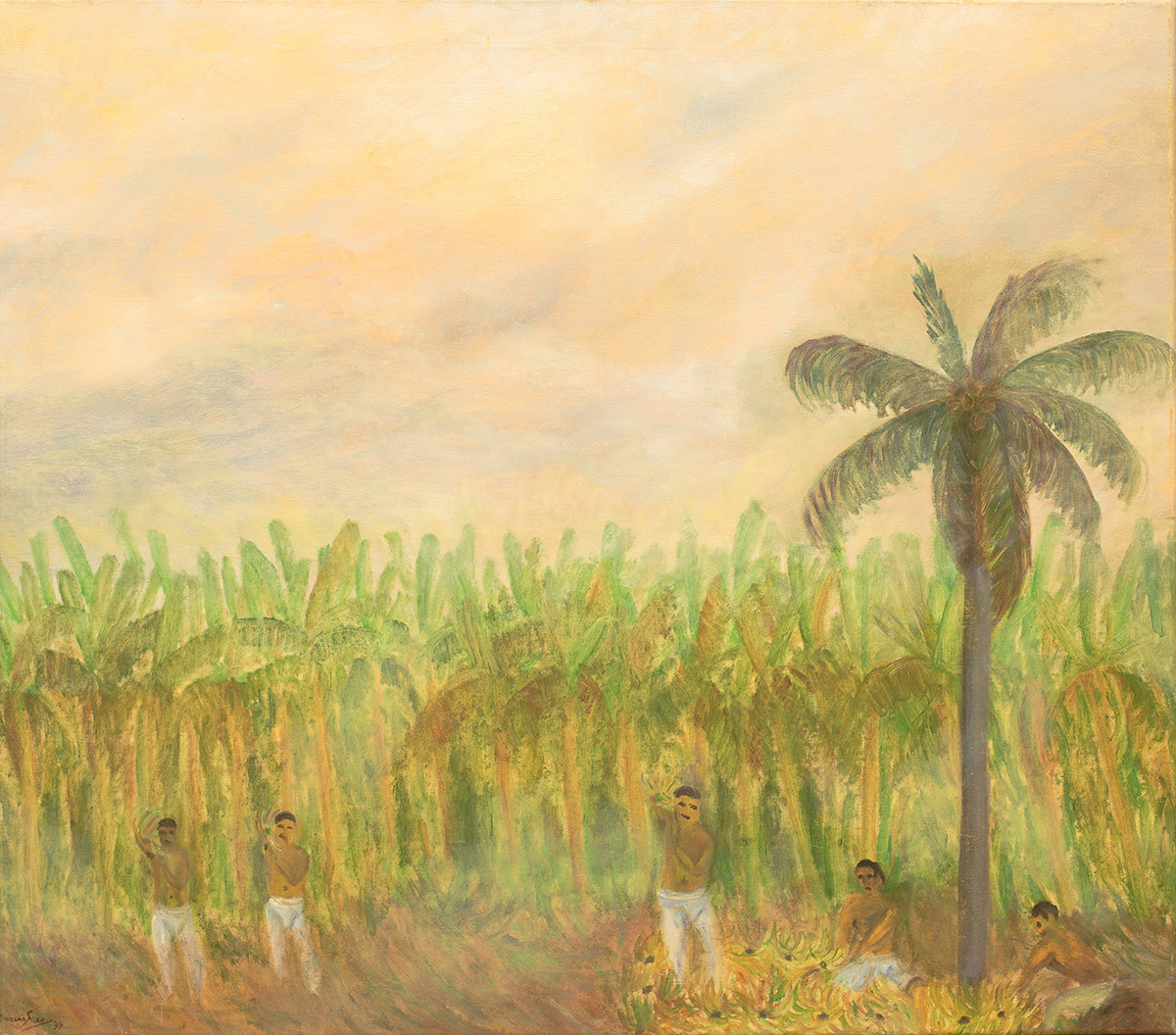
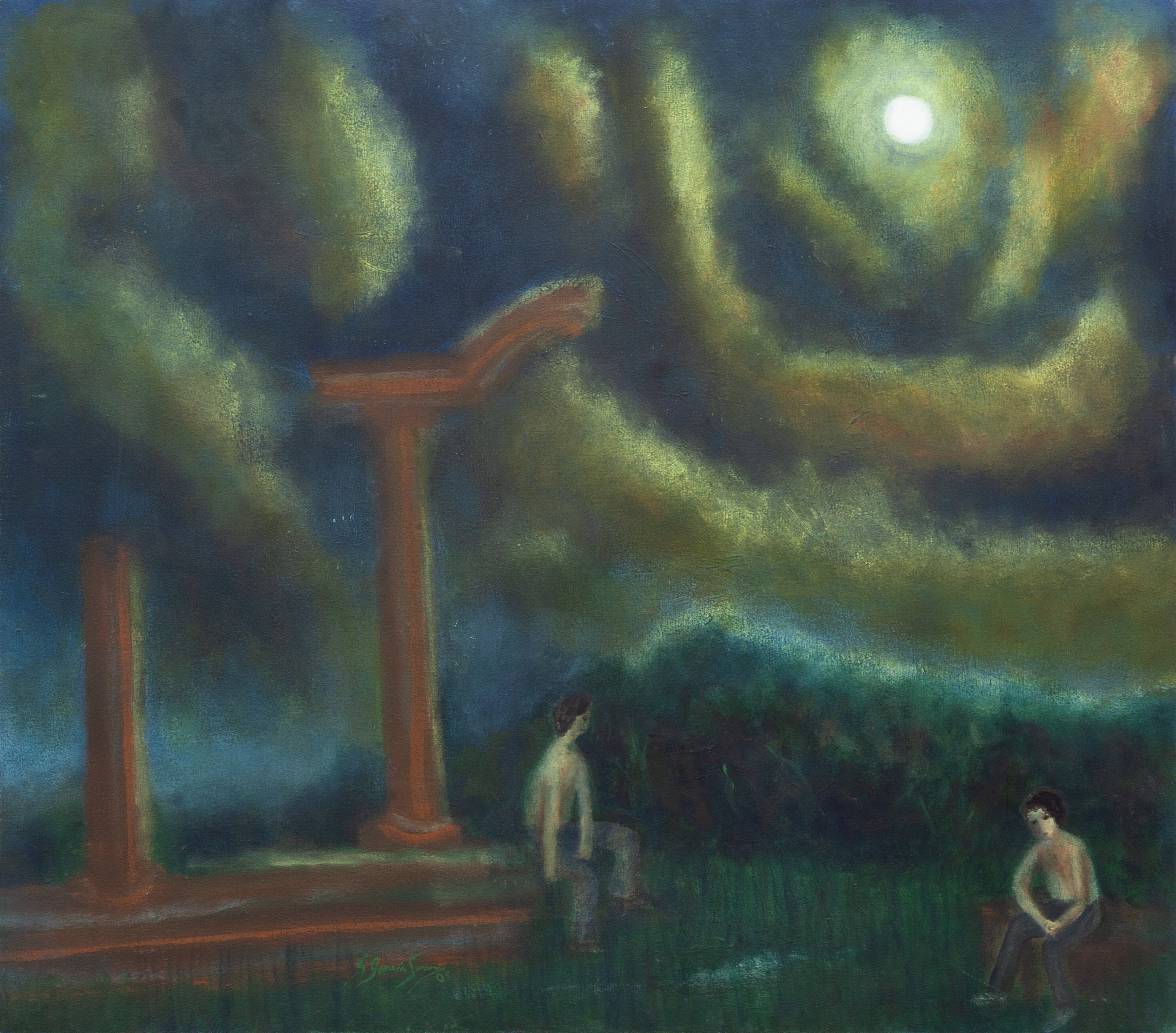
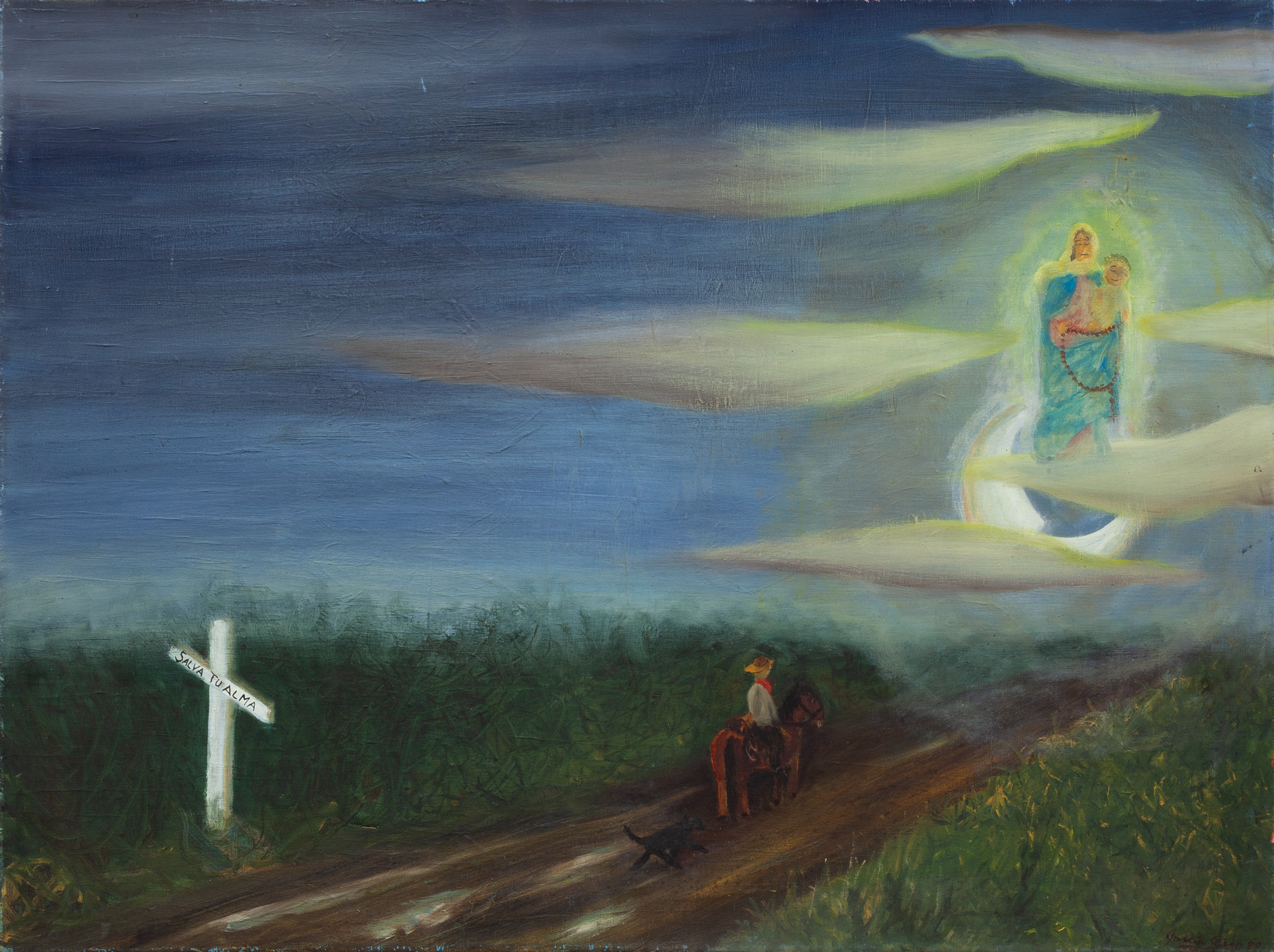
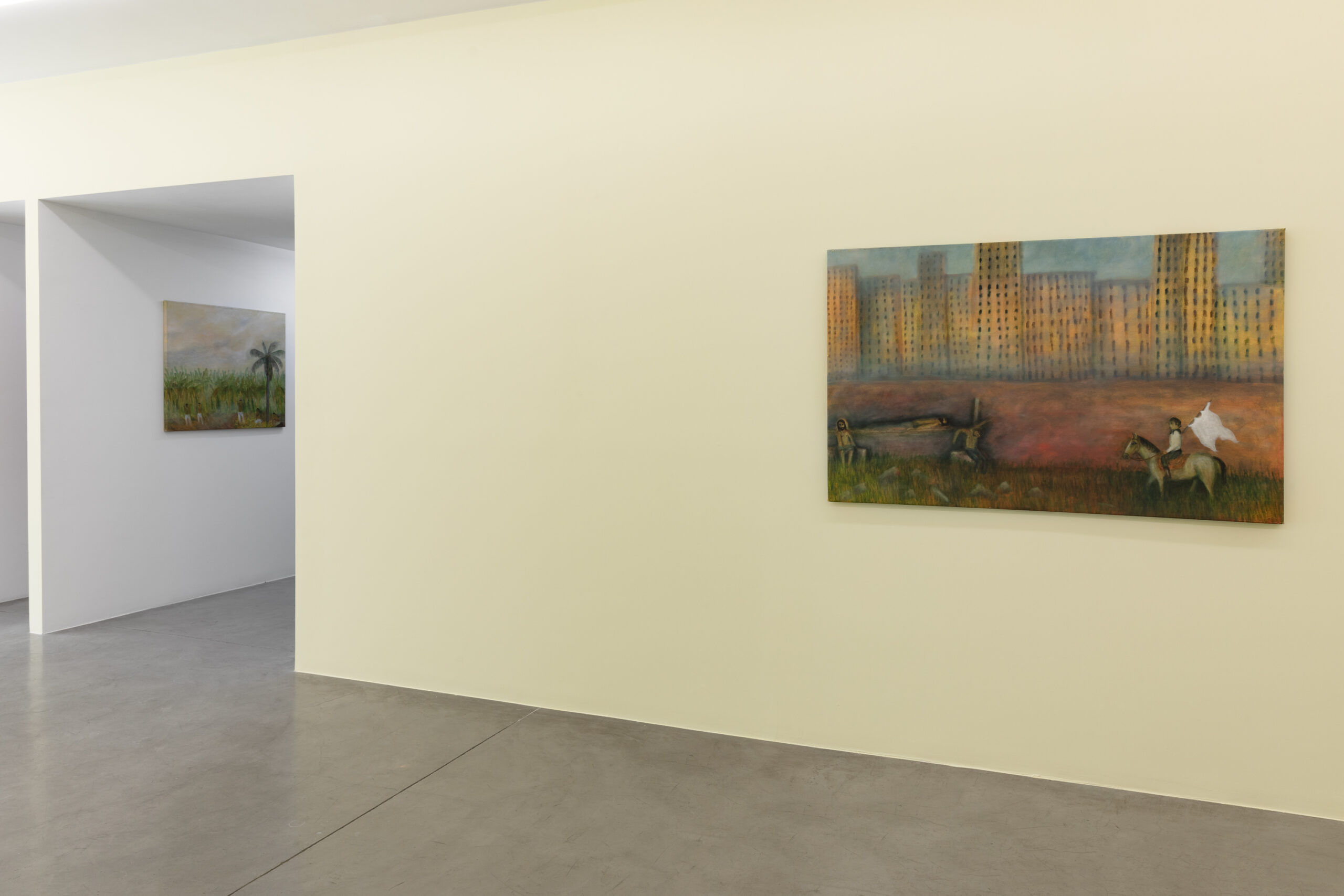
Untitled, 1989
Santiago García Sáenz
Oil on canvas
23.4 x 31.5 in
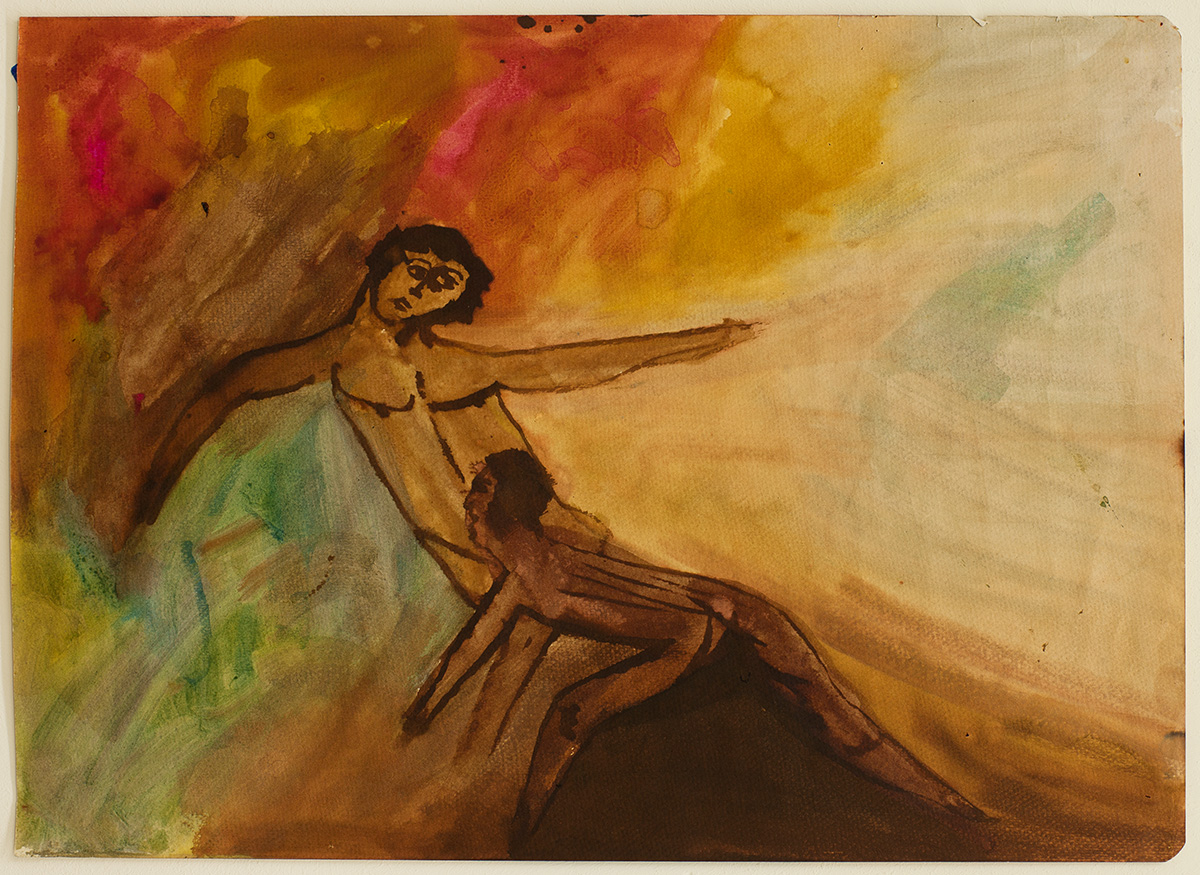
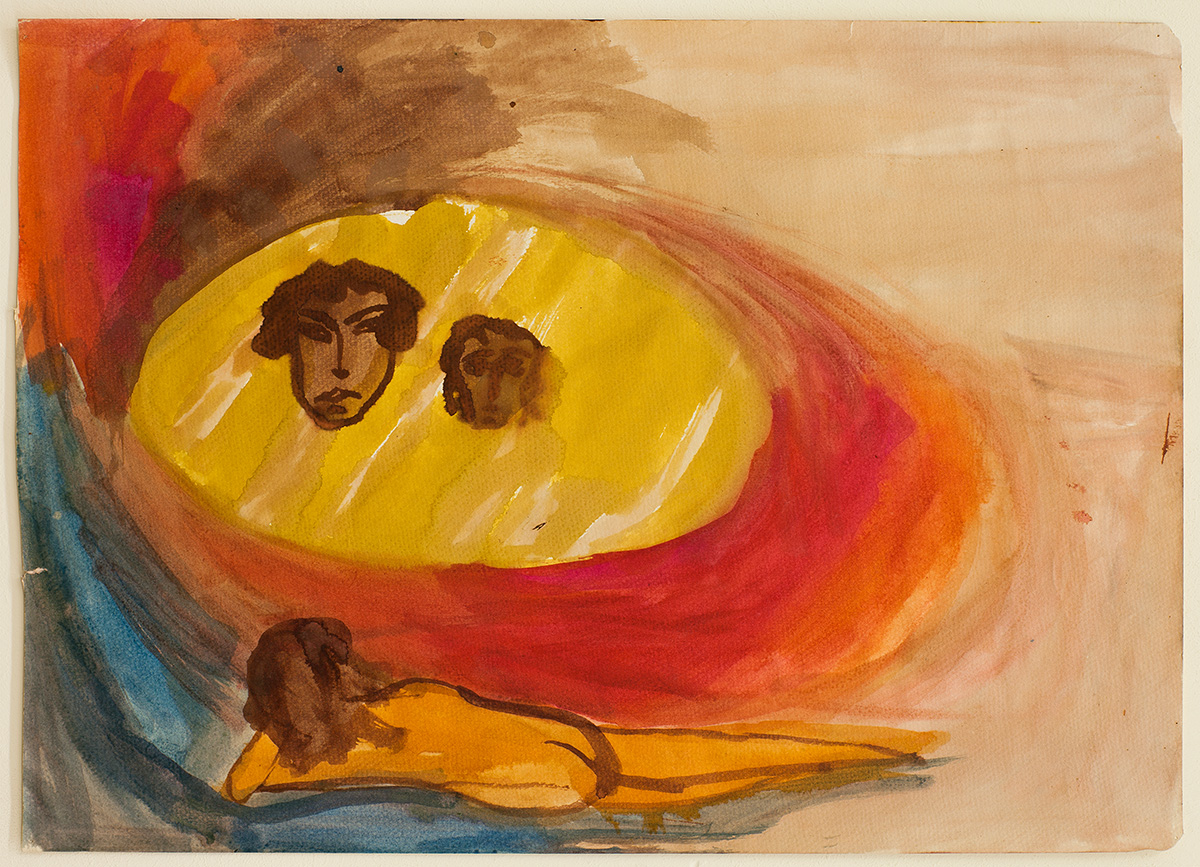
TEXT
Santiago García Sáenz: Inner Life
Santiago García Sáenz (Buenos Aires, 1955–2006) was one of the most outstanding painters of his generation in Argentina. Nonetheless, his work occupies an uncomfortable place in the history of Argentine art of the nineteen-nineties. During that decade when the queer and contemporary image emerged in the country’s aesthetics, García Sáenz produced painting with social and religious content. While his art was sometimes seen as anachronistic, that distance from the contemporary was not a limitation but a stance at once spiritual and aesthetic.
To understand his work, we must understand his life: what stimulated him, what almost always existential questions impelled him. In 1988, the artist learned he was HIV positive. That event shaped the course of his imaginary: it deepened his Catholicism and oriented his travels through northern Argentina, Bolivia, Paraguay, Mexico, and Ecuador, where he came into contact with the cultures of the continent, their worldviews, and their vernacular religiosity. Awareness of his finiteness and faith sustained his work.
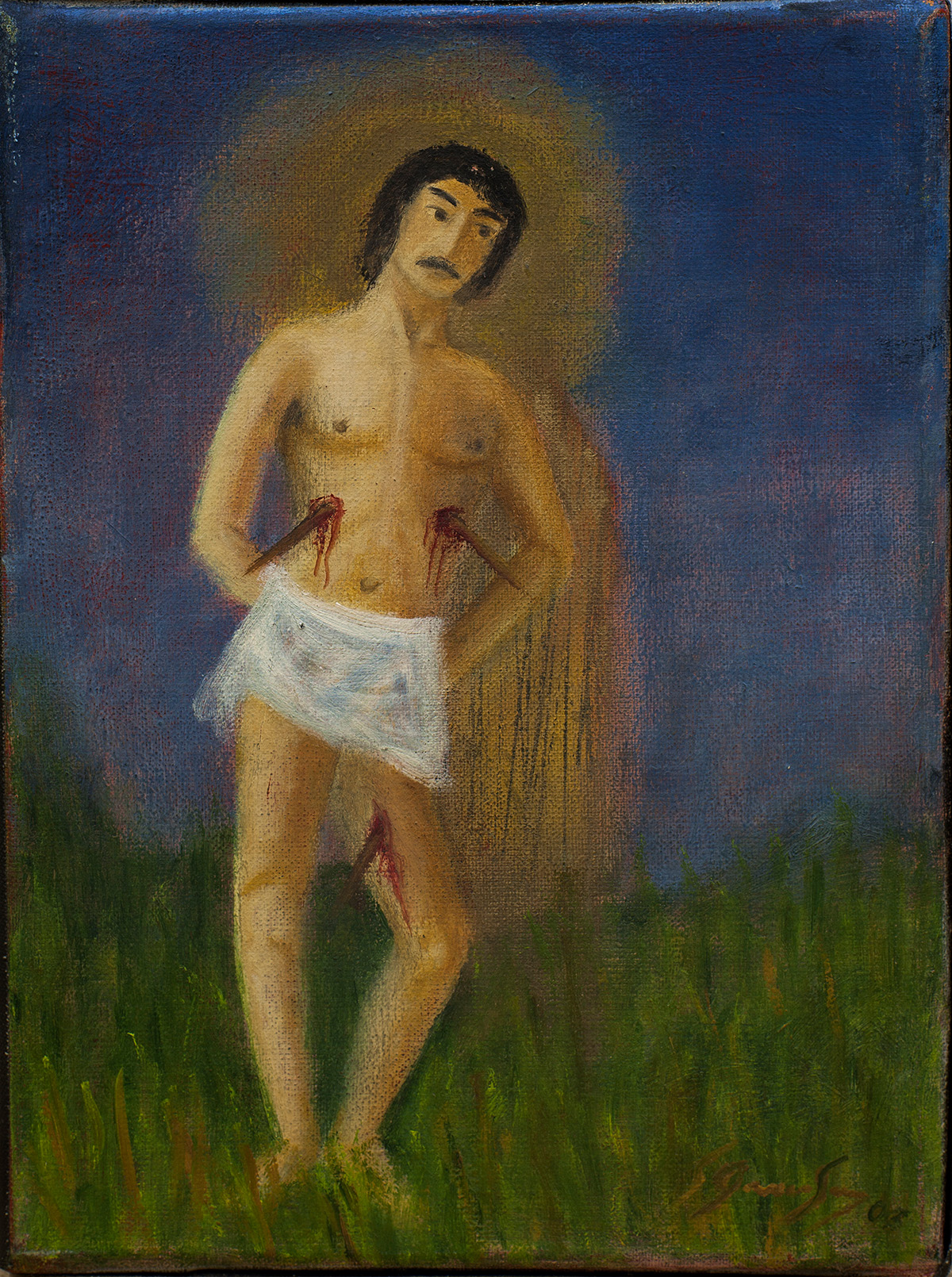
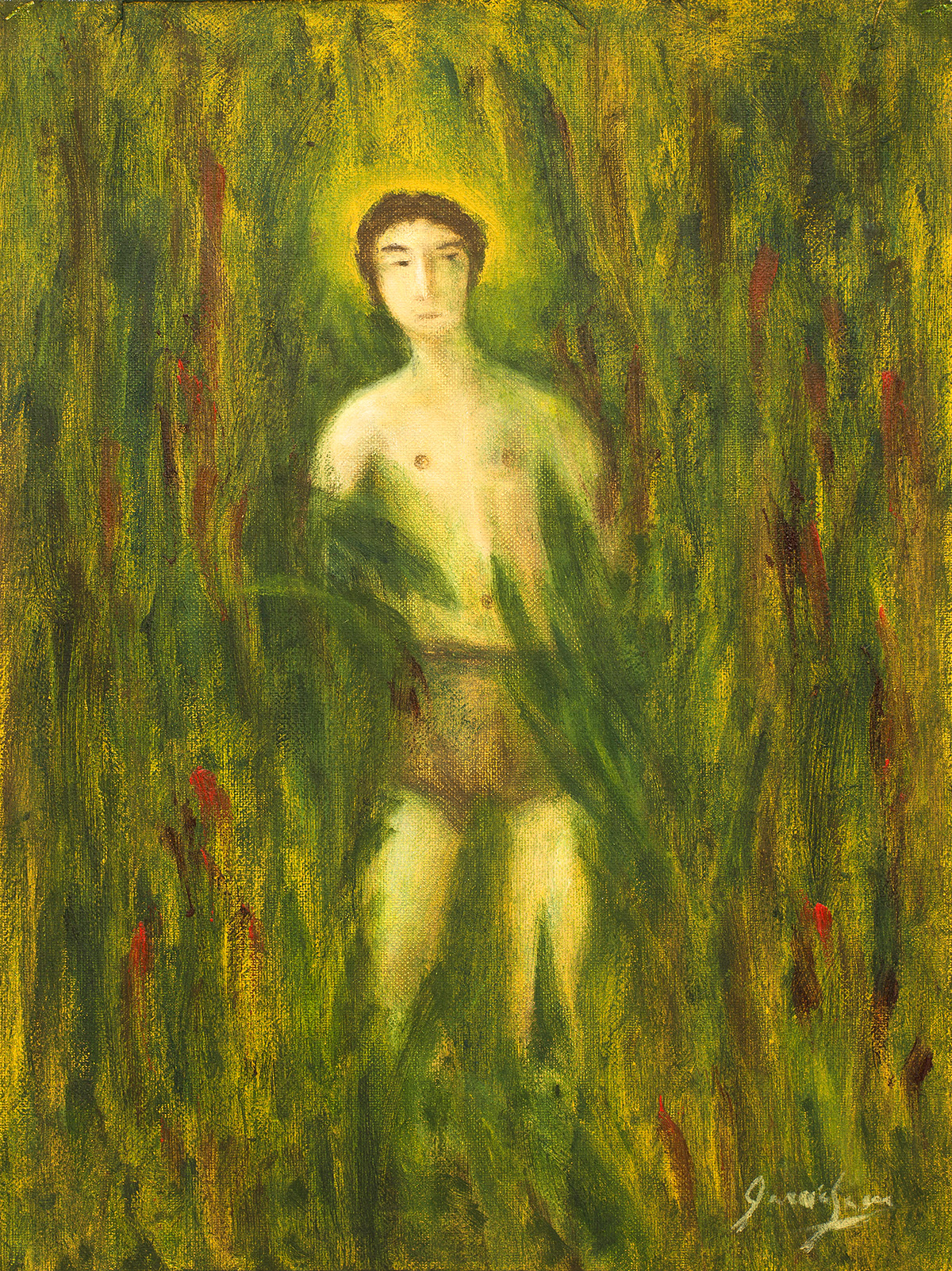
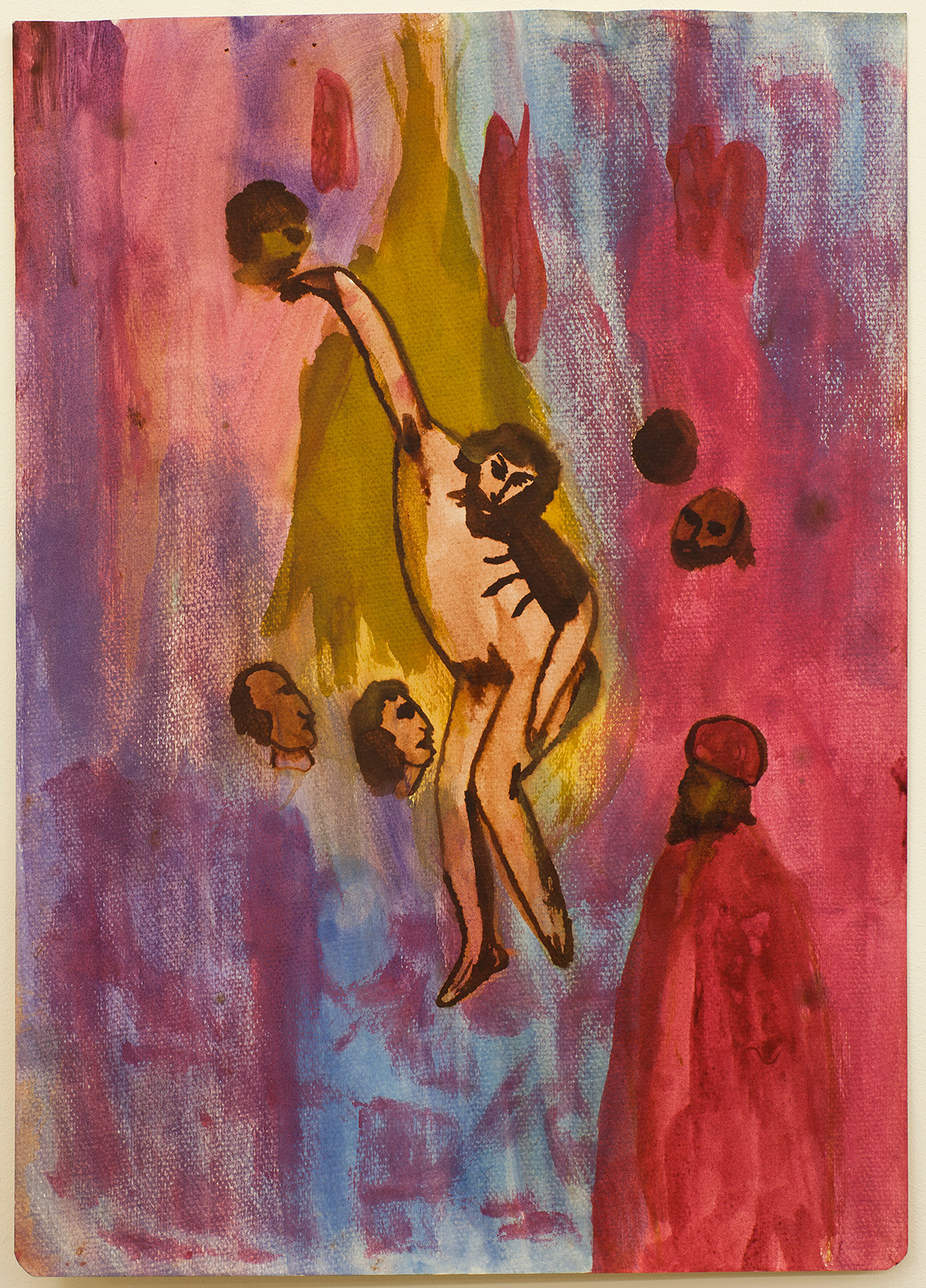
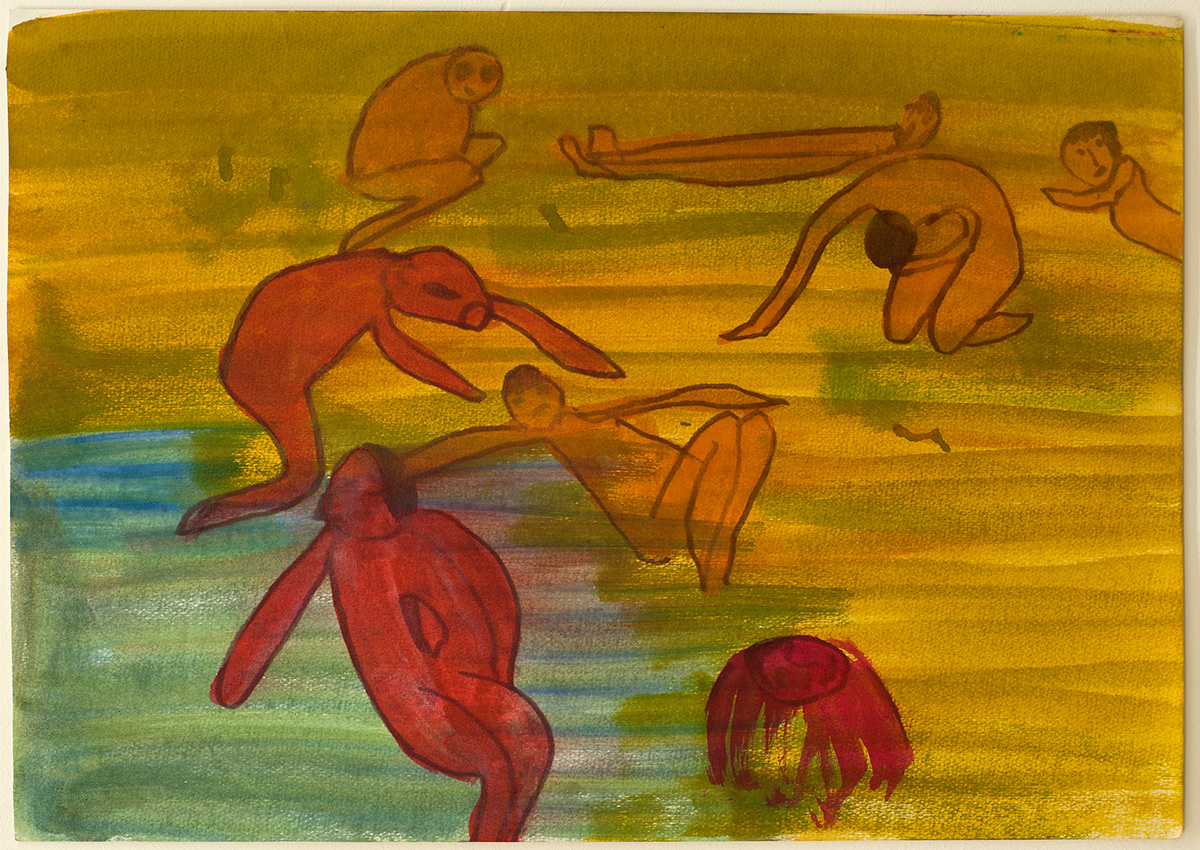
The series brought together in this exhibition span the core of his production: I’m Looking for You, America (1986–1992), Christ in the Afflicted(1990–2003), Suffering Intolerance (1994–1998), and Martyrs (1997). In them, scenes of mystical revelation, masculine figures, landscapes of the continent, and references to collective traumas coexist, always mediated by symbol and tradition. The gentle, slightly incandescent light and the veiled surfaces that evoke the painting of earlier centuries give his work a temporality of its own, far removed from the accelerated rhythm of the period.
At the center of that search lies something his work allows us to grasp without fully naming. García Sáenz did not publicly disclose his homosexuality or his diagnosis, but he did bring them to bear on his painting. In the figure of the martyr—a suffering body, capable of condensing pain and desire—he found a language to encode what his life did not authorize him to say.
This exhibition, presented twenty years after his death, is an invitation to return to a body of work that still raises new questions for Argentine and Latin American art: how to link spirituality and sexual dissidence, faith and the afflicted body, devotion and social critique, without one of those terms cancelling out the other. Forms of an inner life that, far from withdrawing into itself, found in others its reason for being.
Francisco Lemus
July, 2026