
LA INTENCIÓN DEL AIRE
GILDA PICABEA
CURATED BY PATRICK GREANEY
HACHE
MAR 18. — JUN 19. 2026
EXHIBITION VIEW
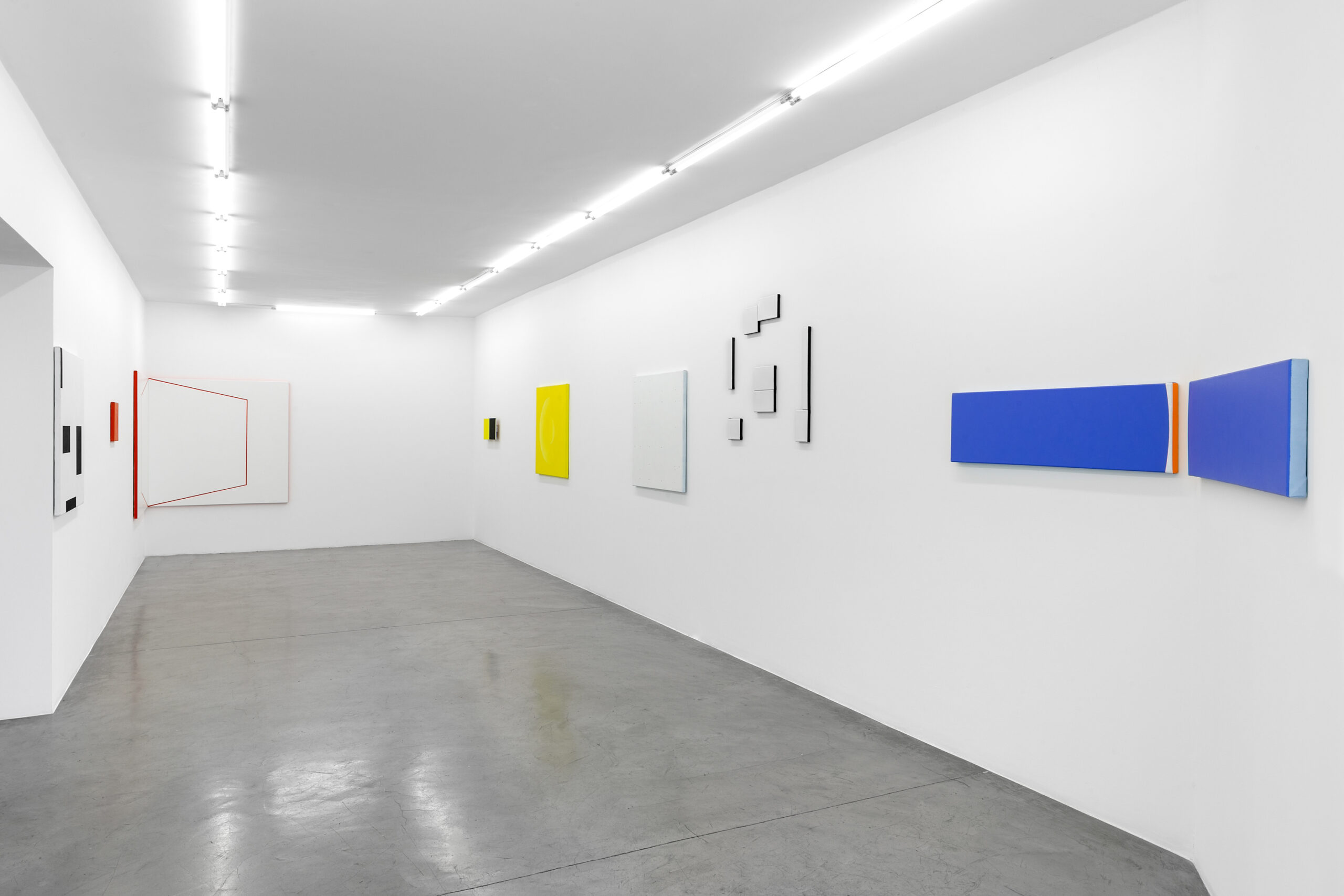
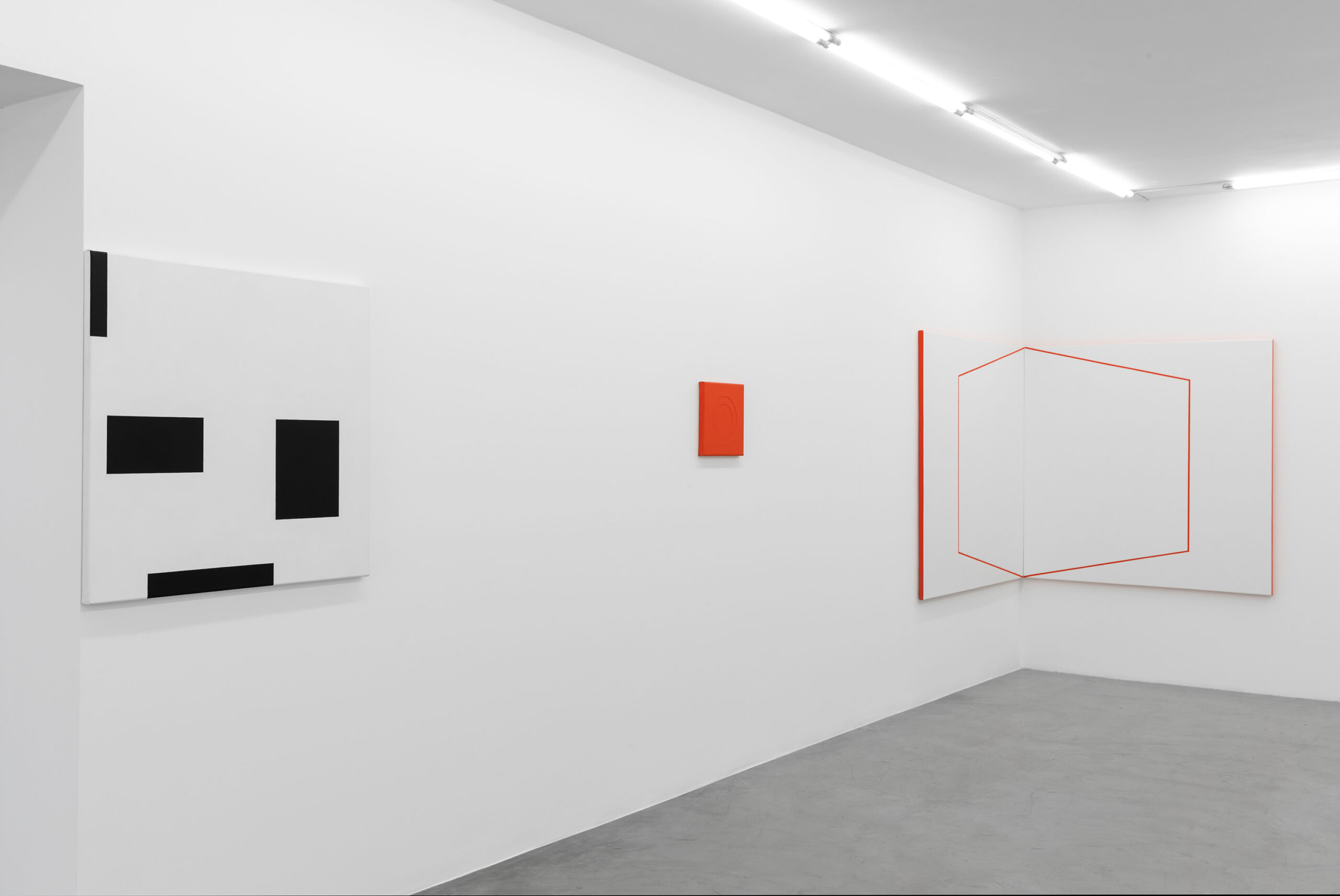
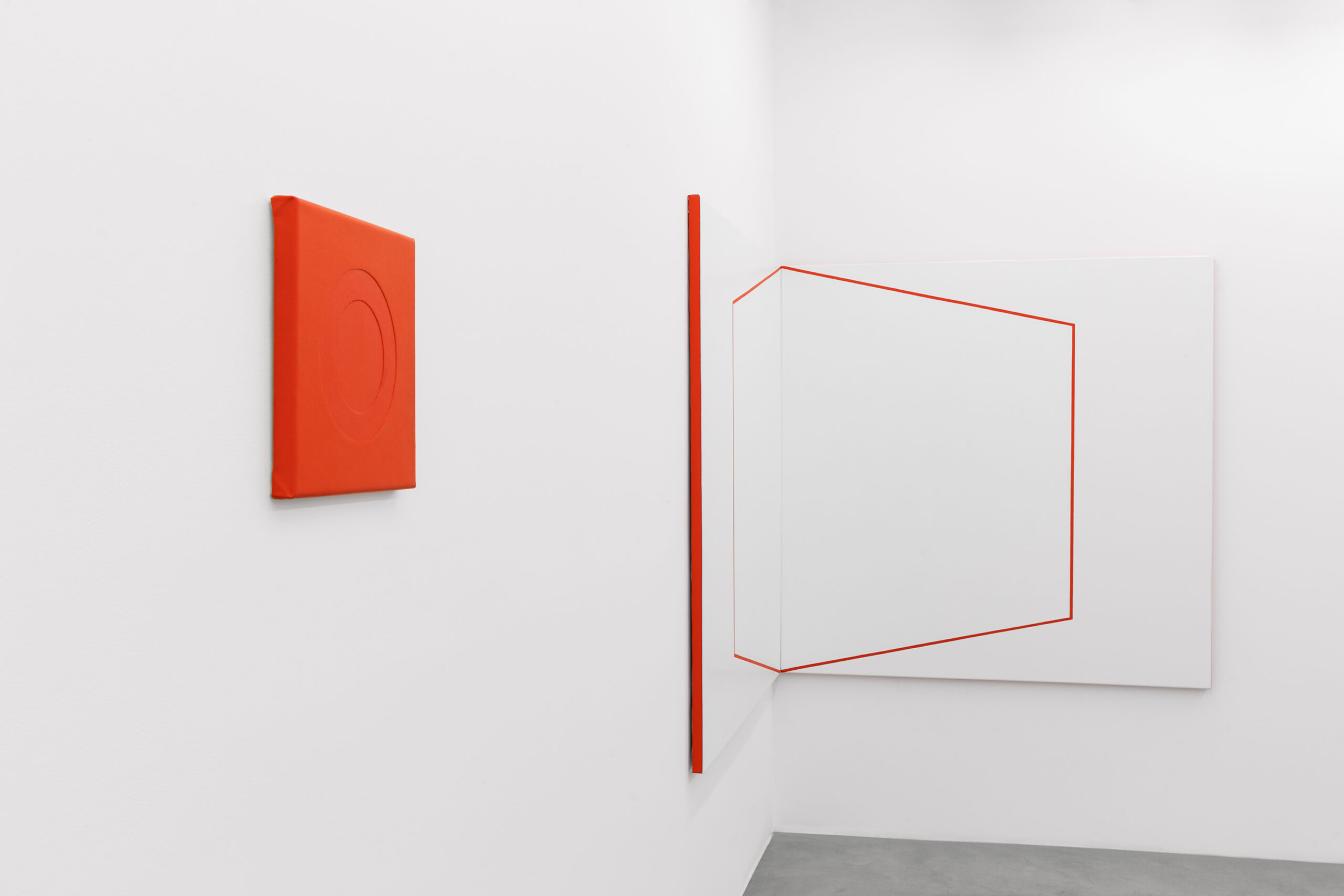
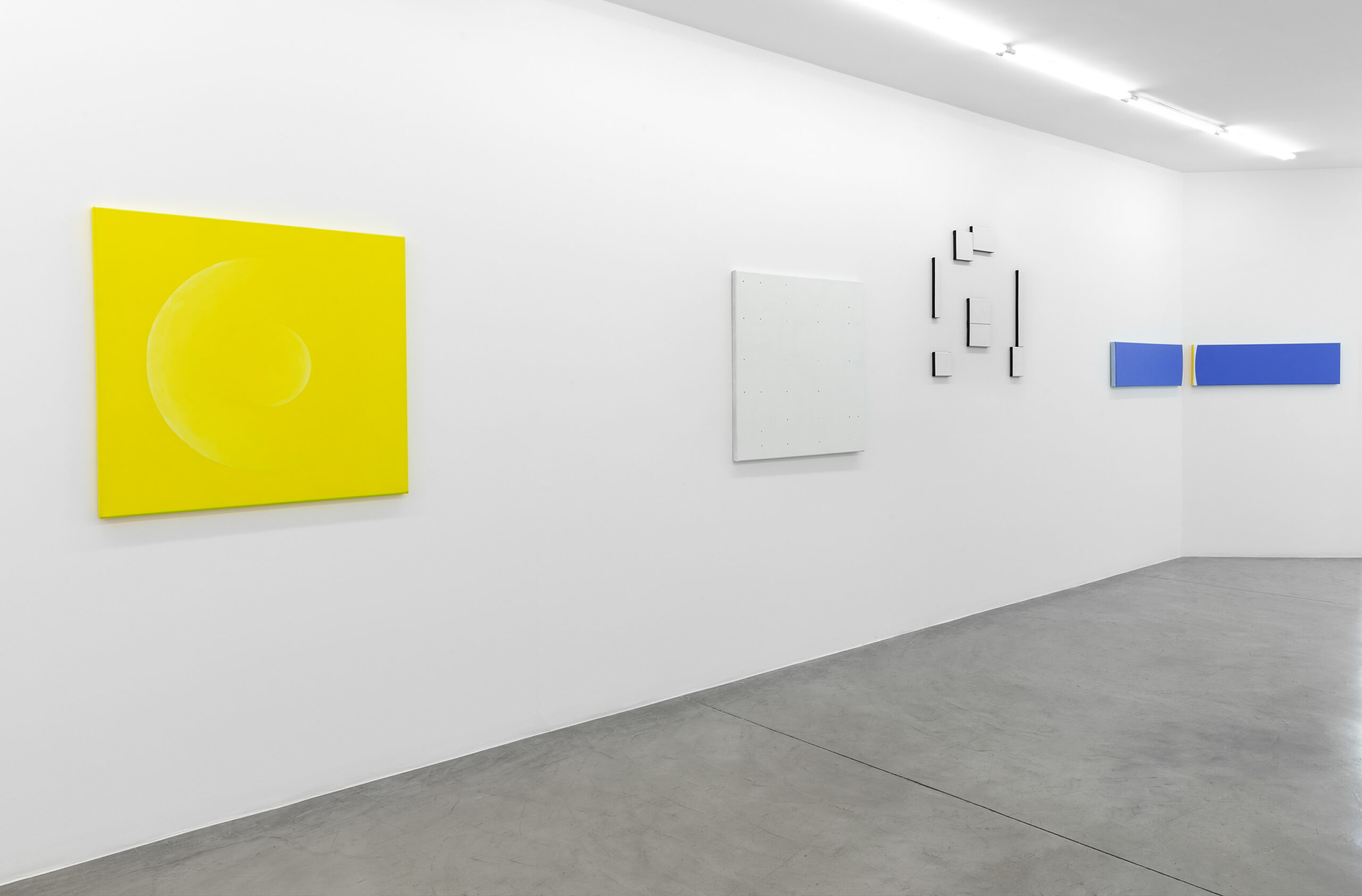
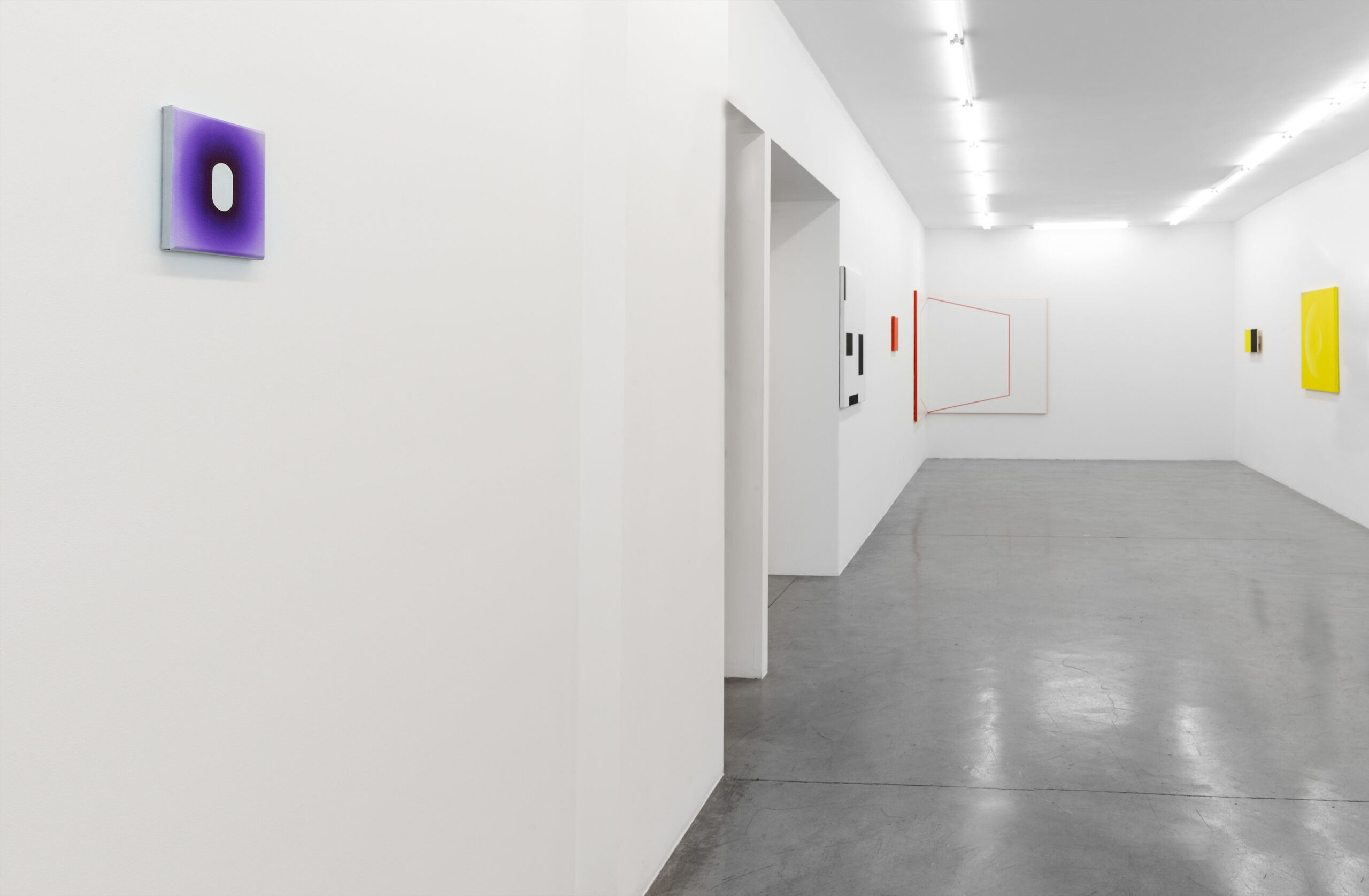
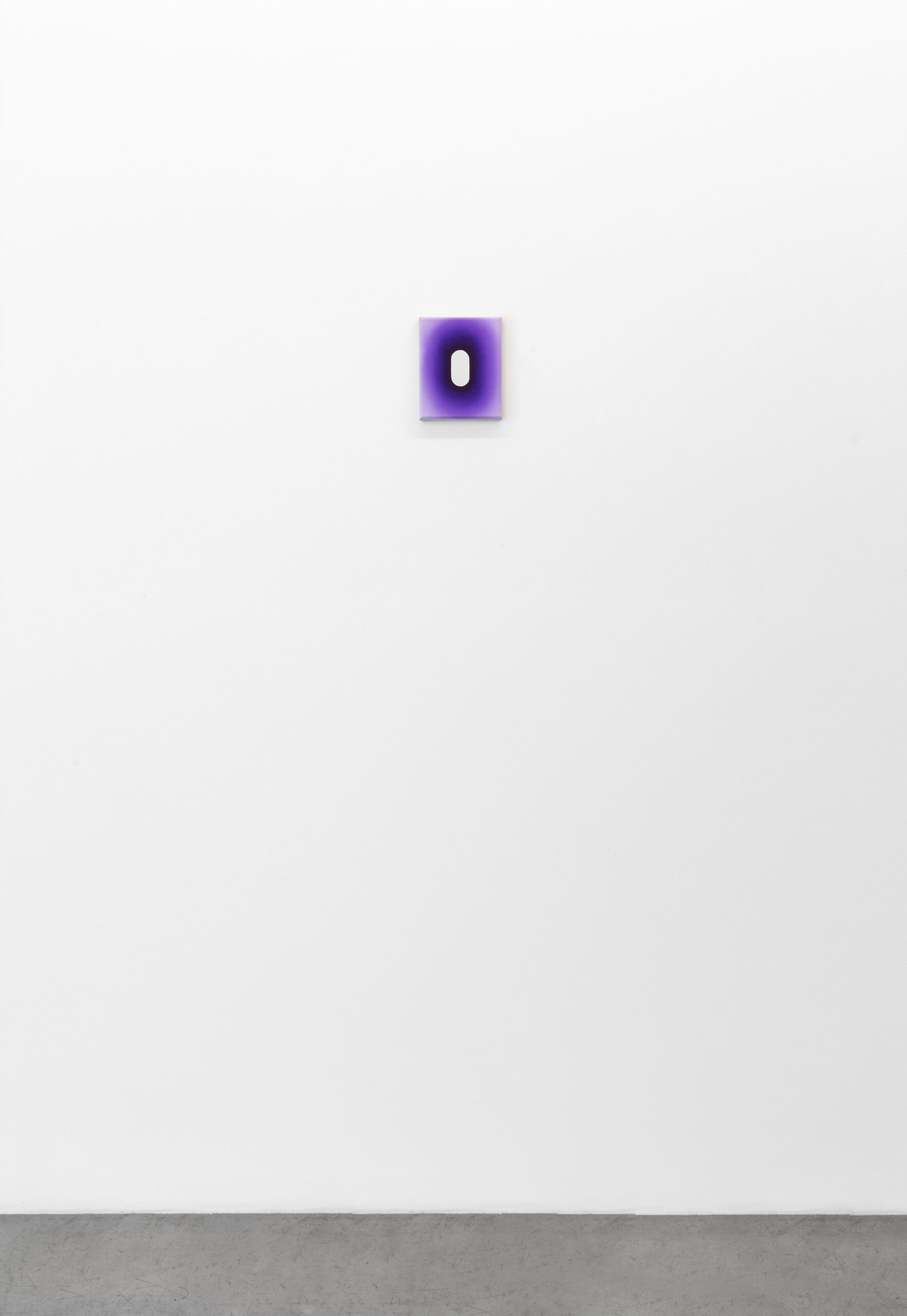
Ph. Ignacio Iasparra
WORKs
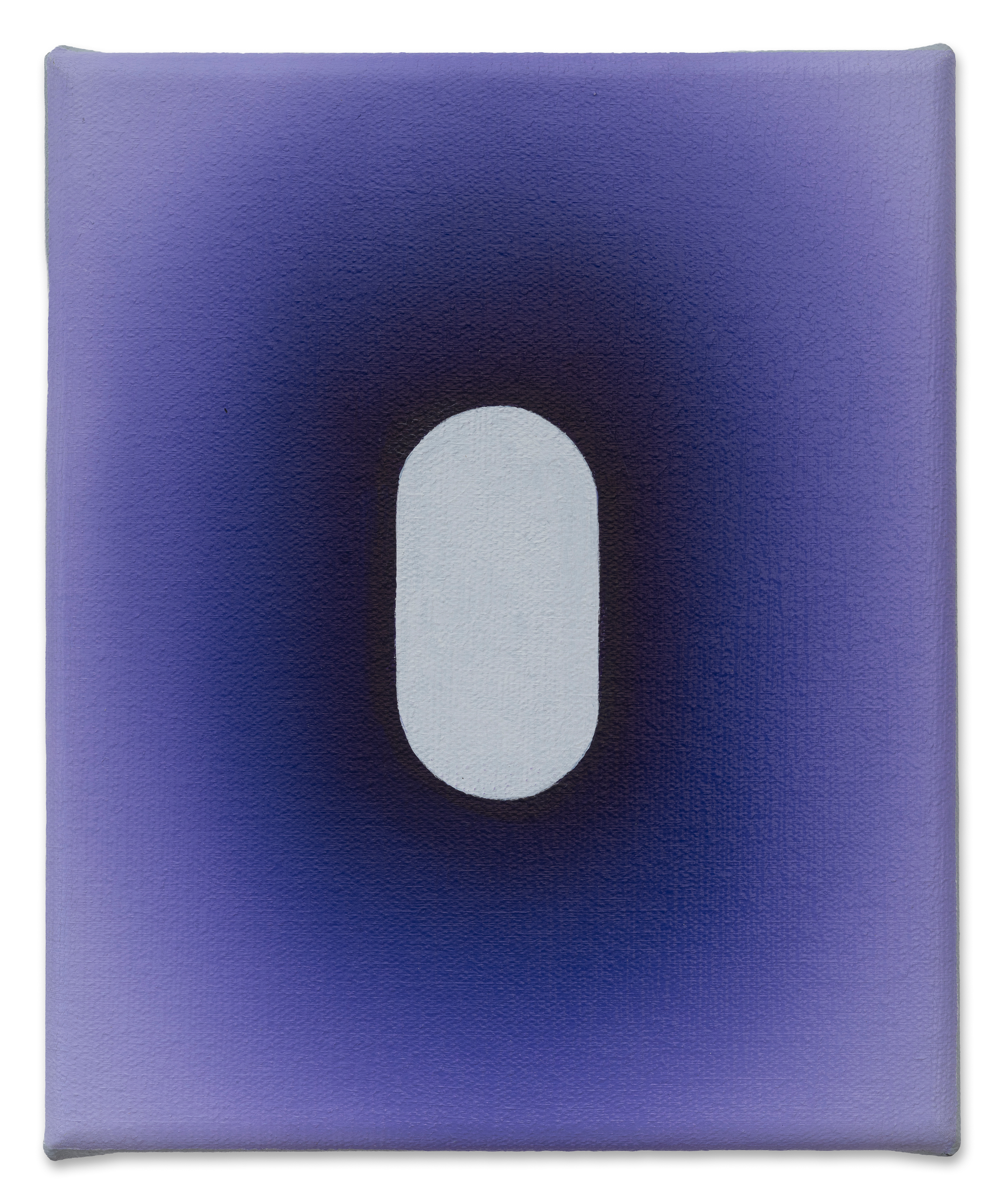
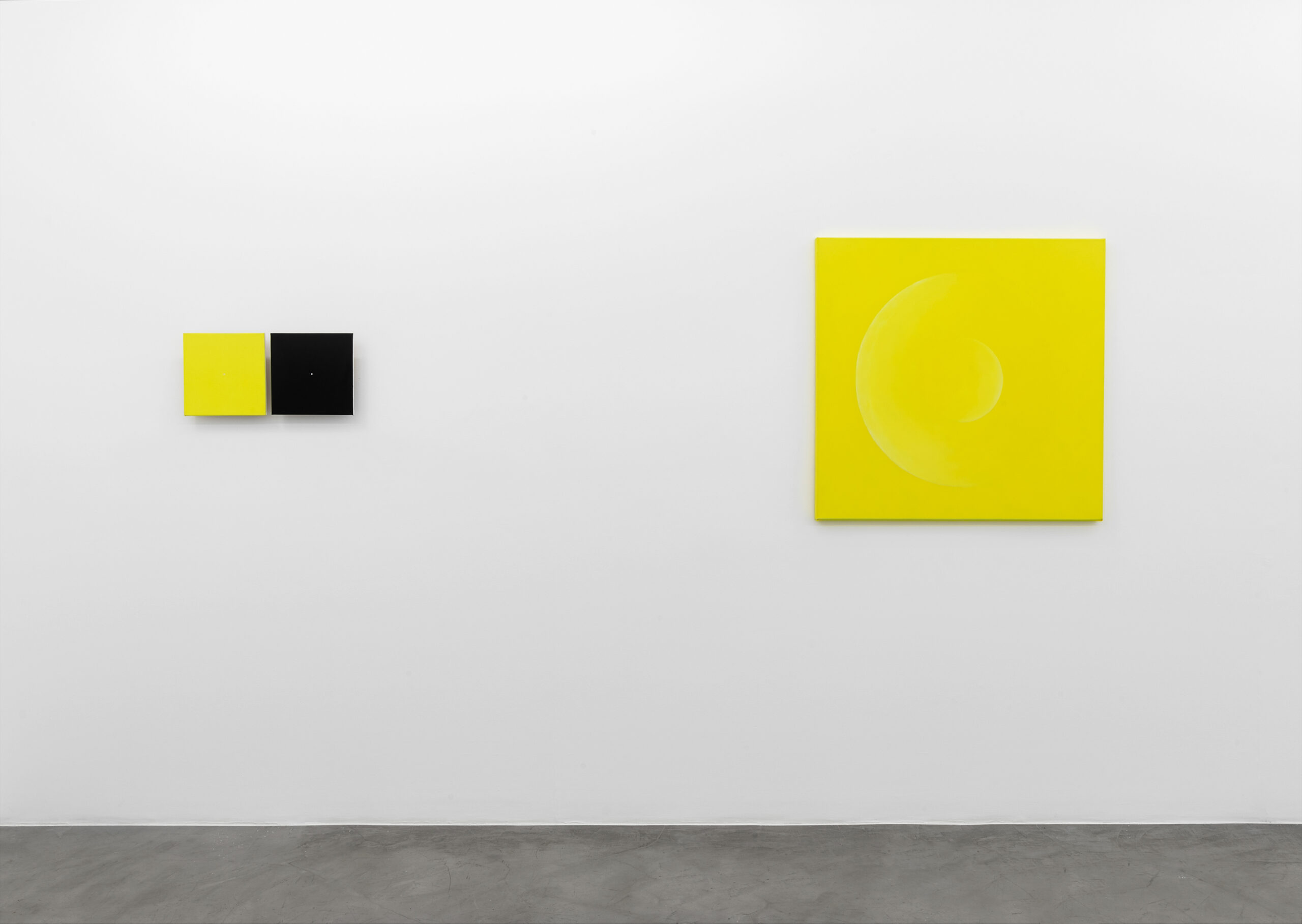
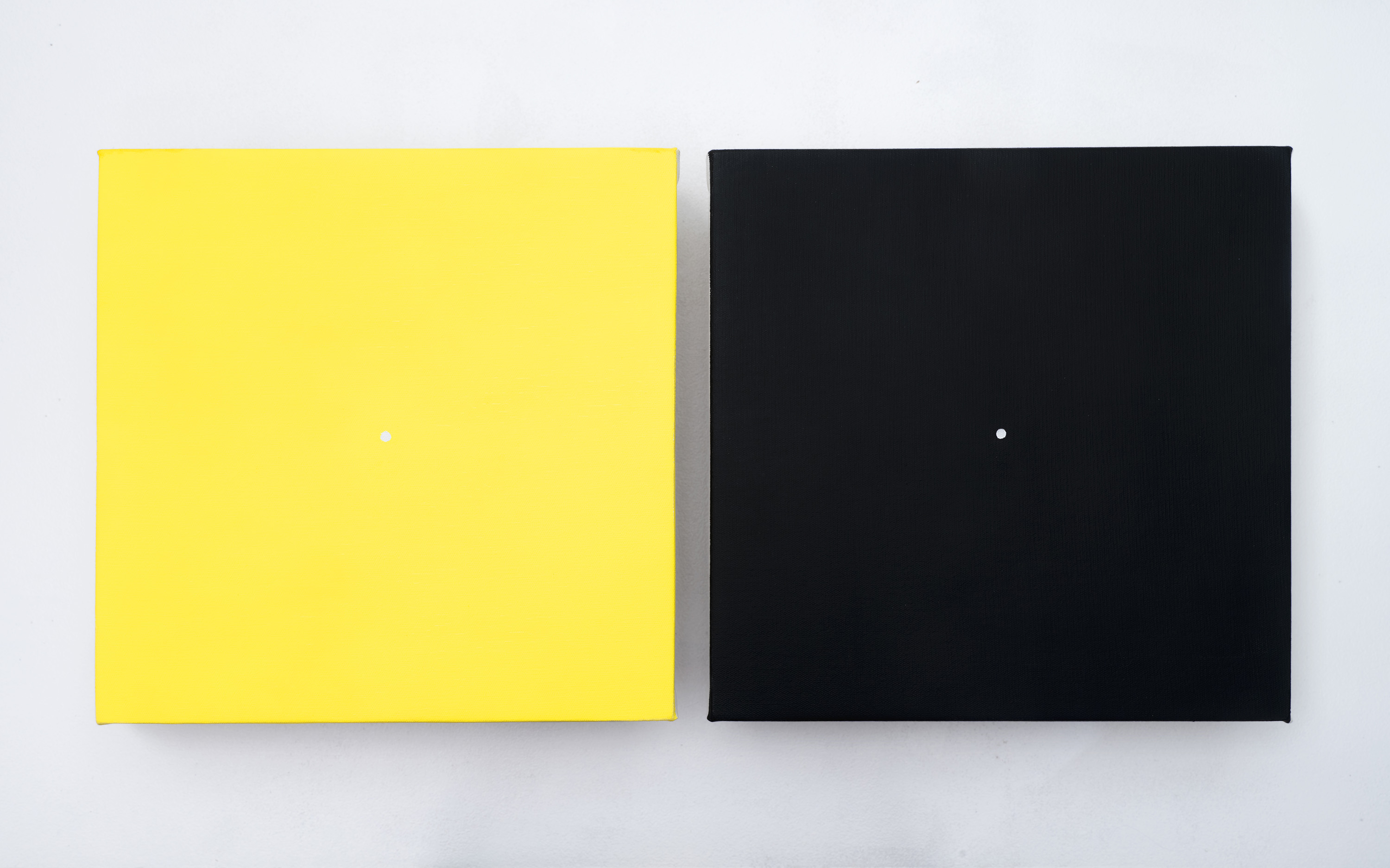
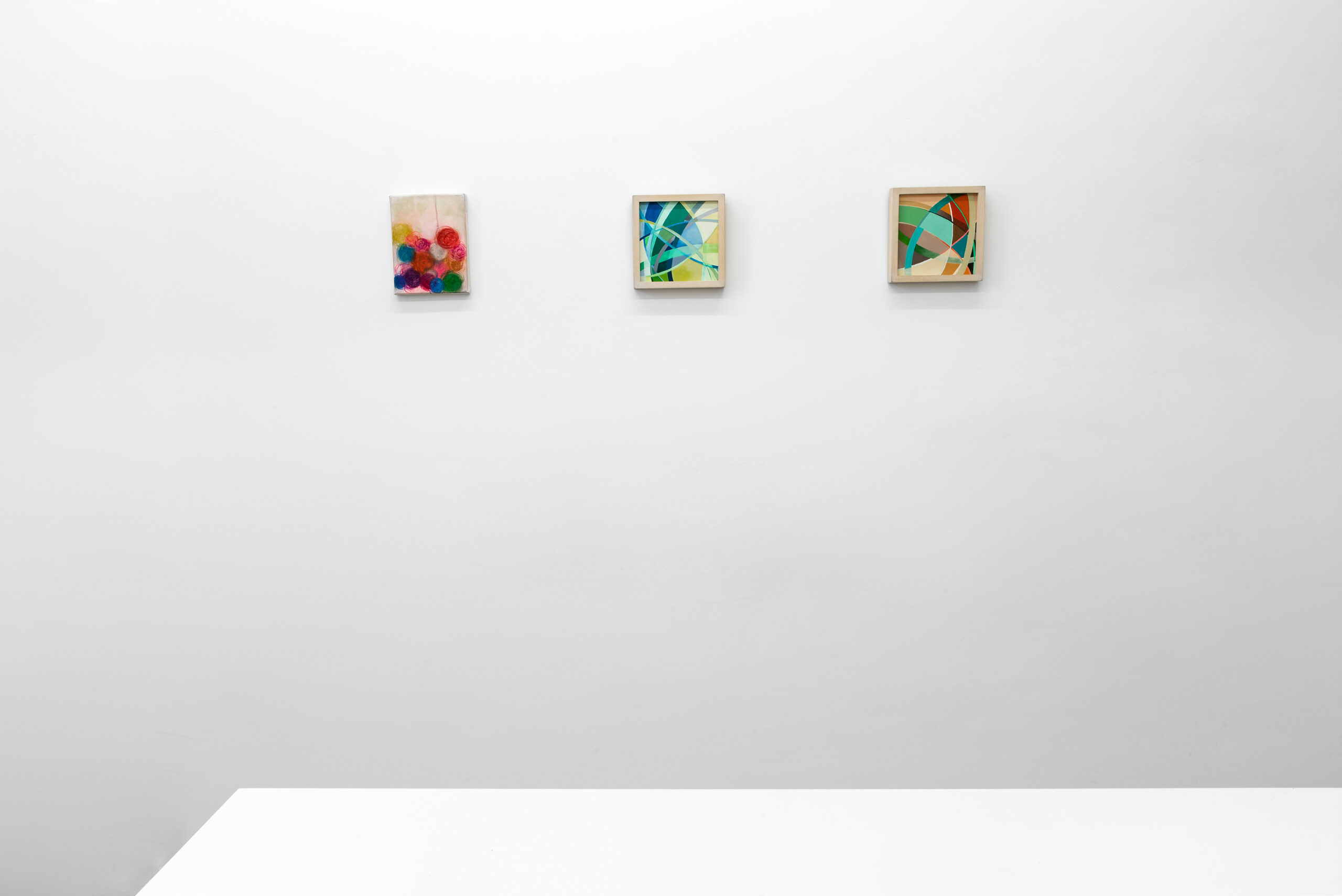
Más allá, 2023
Gilda Picabea
Oil on canvas
7.1 x 5.9 in
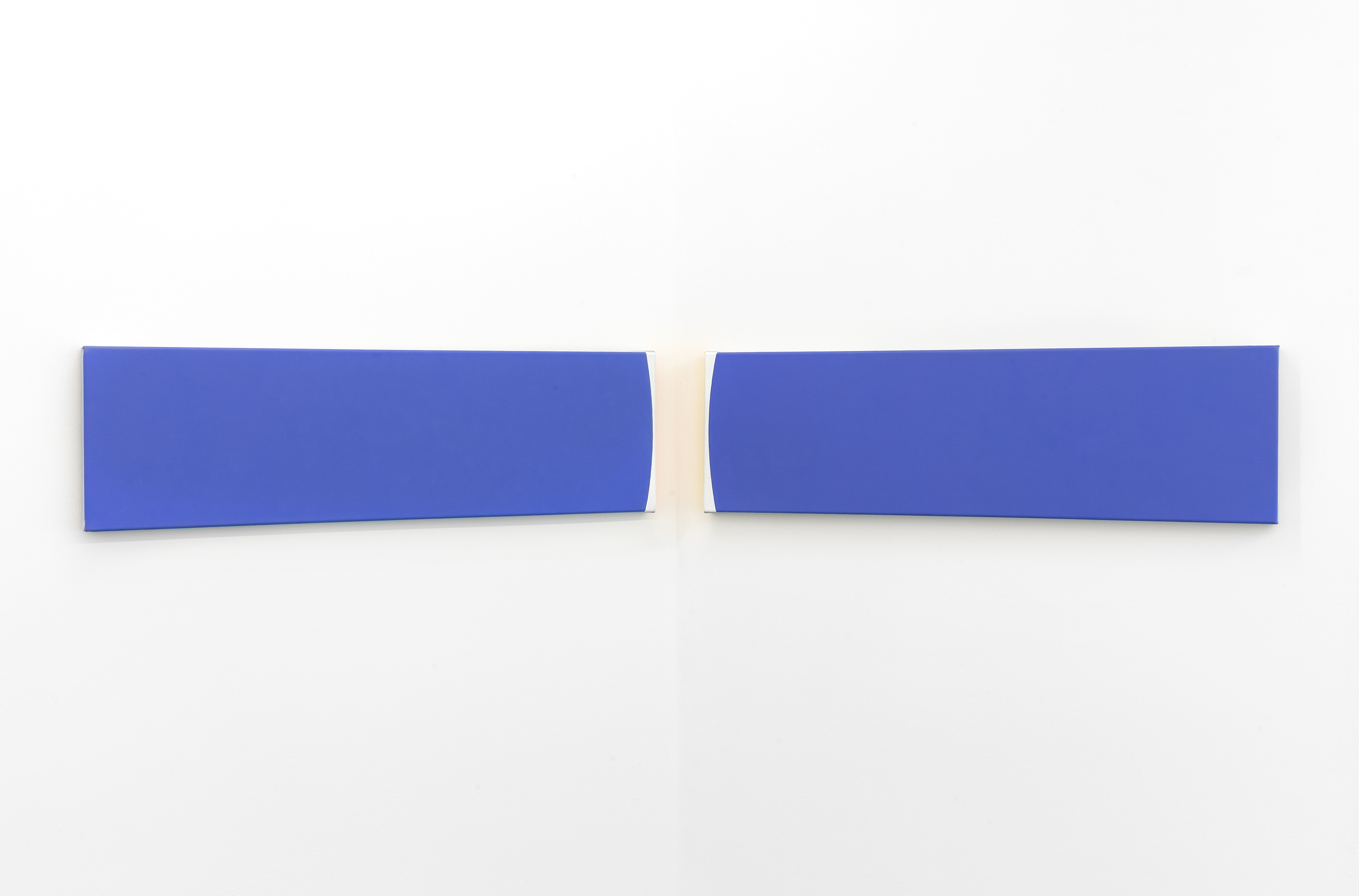
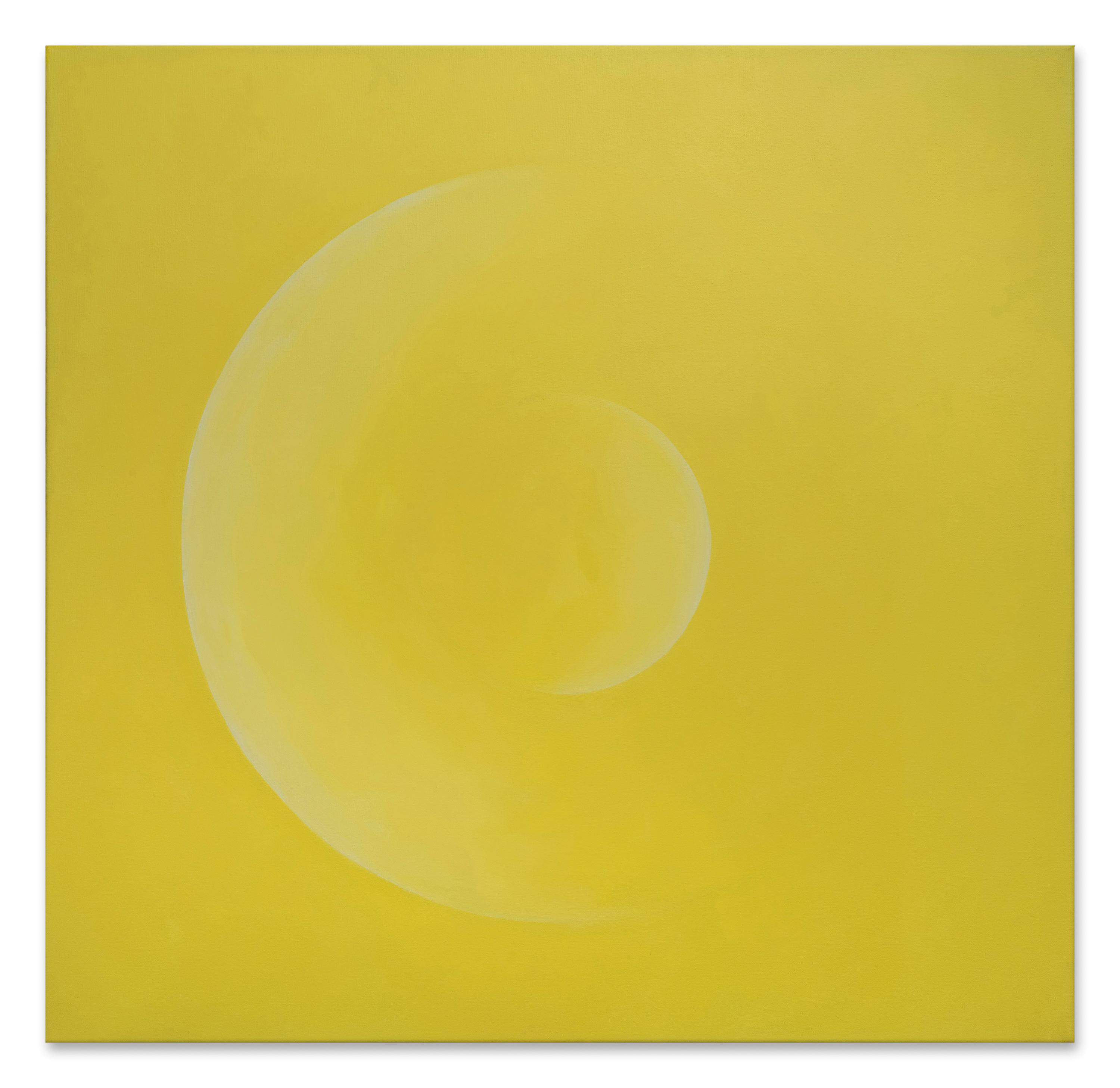
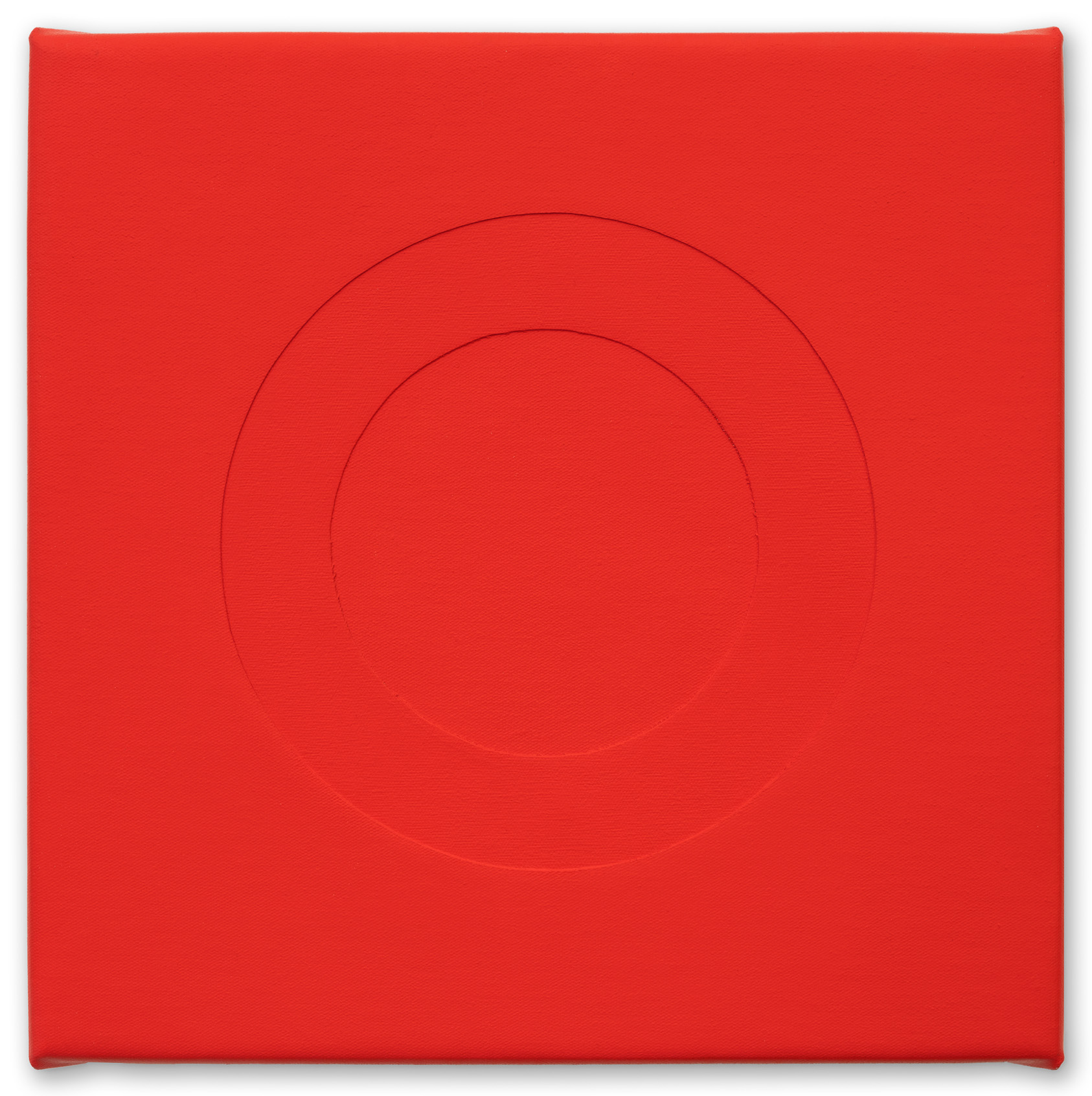
Cóncava Convexa, 2023
Gilda Picabea
Oil on canvas
36.6 x 37.8 in
BACKROOM VIEW
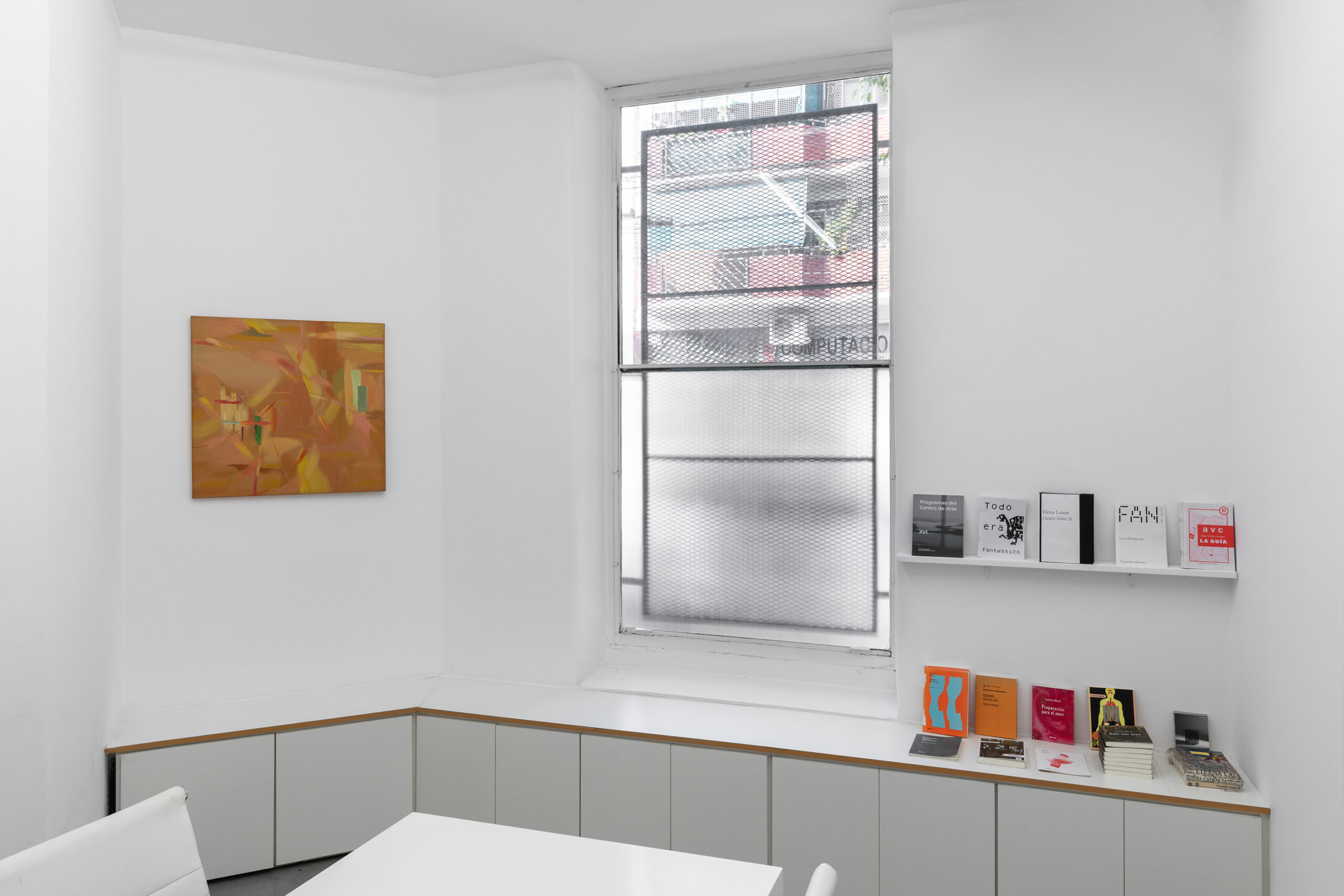
Ph. Ignacio Iasparra
BACKROOM WORKs
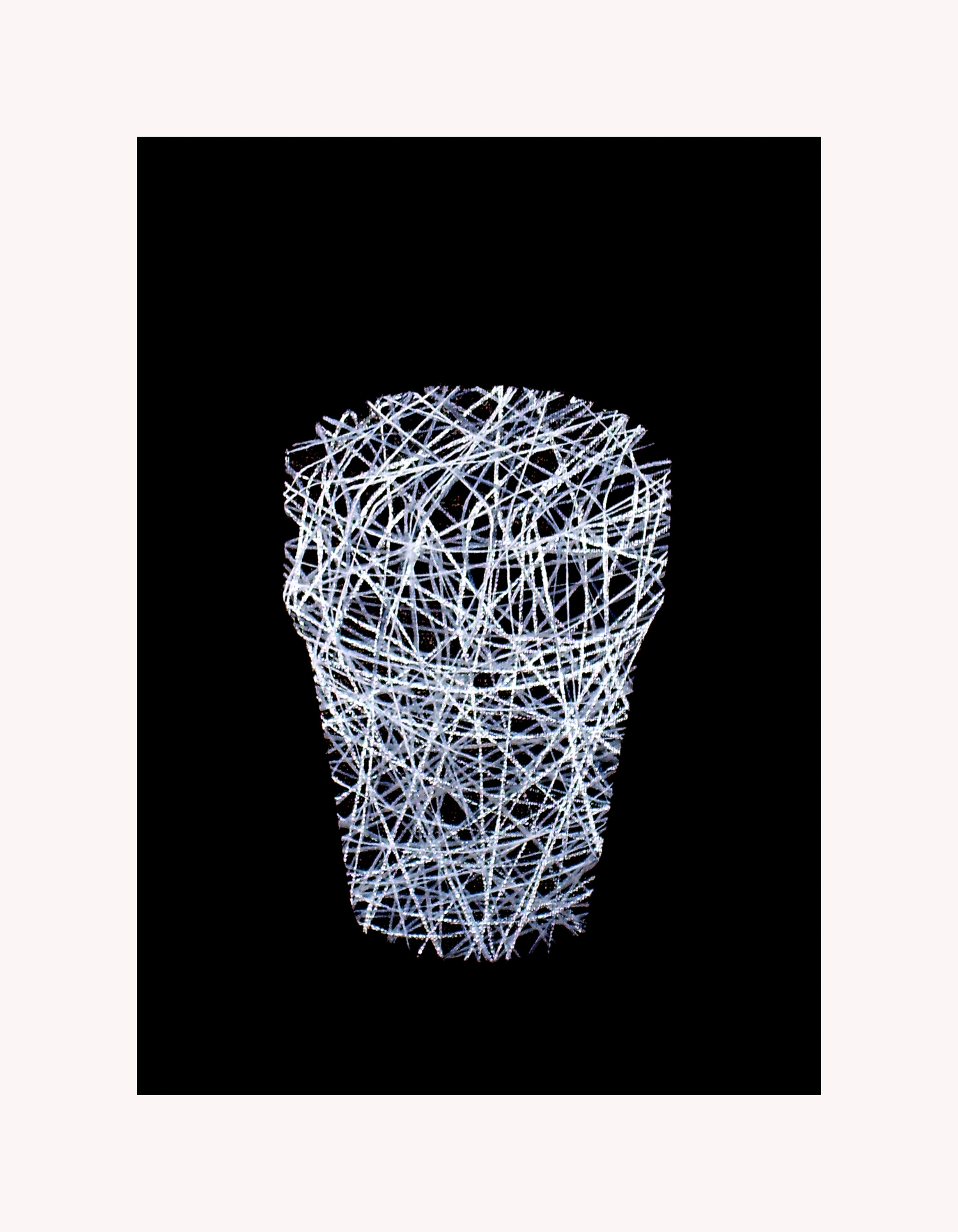
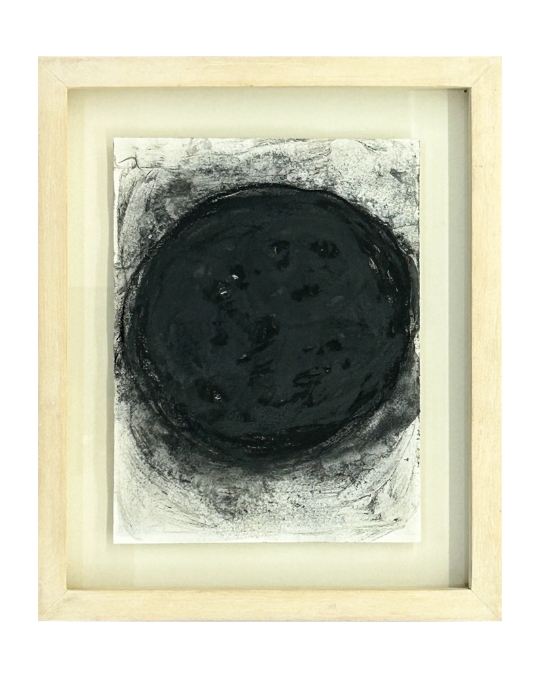
TEXT
Beyond Painting
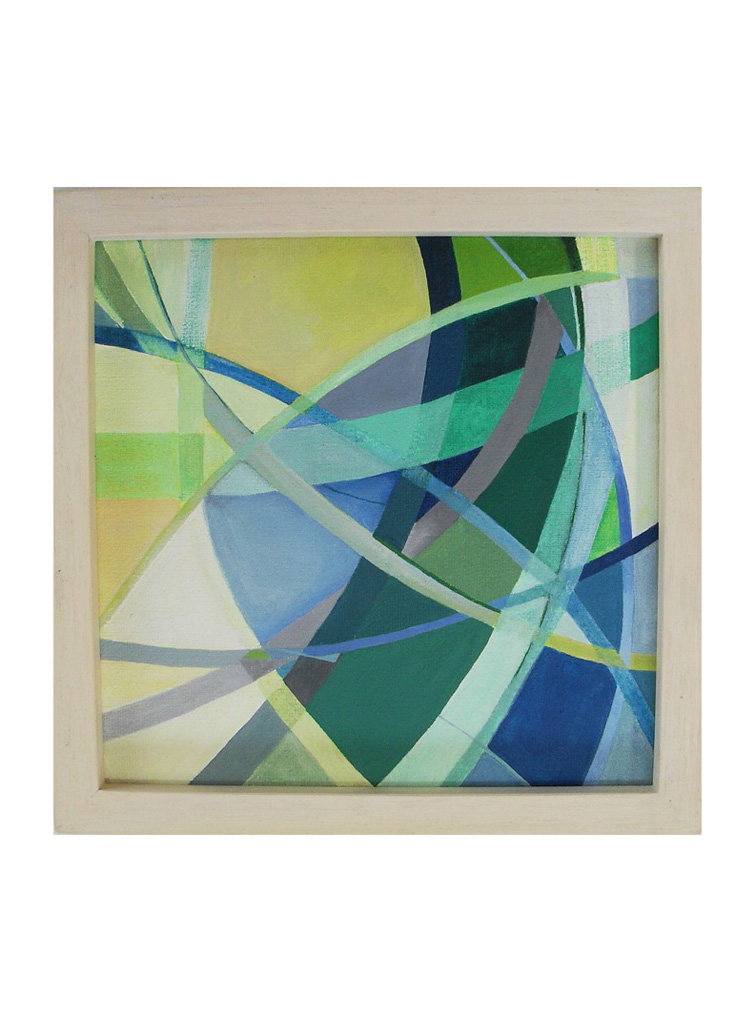
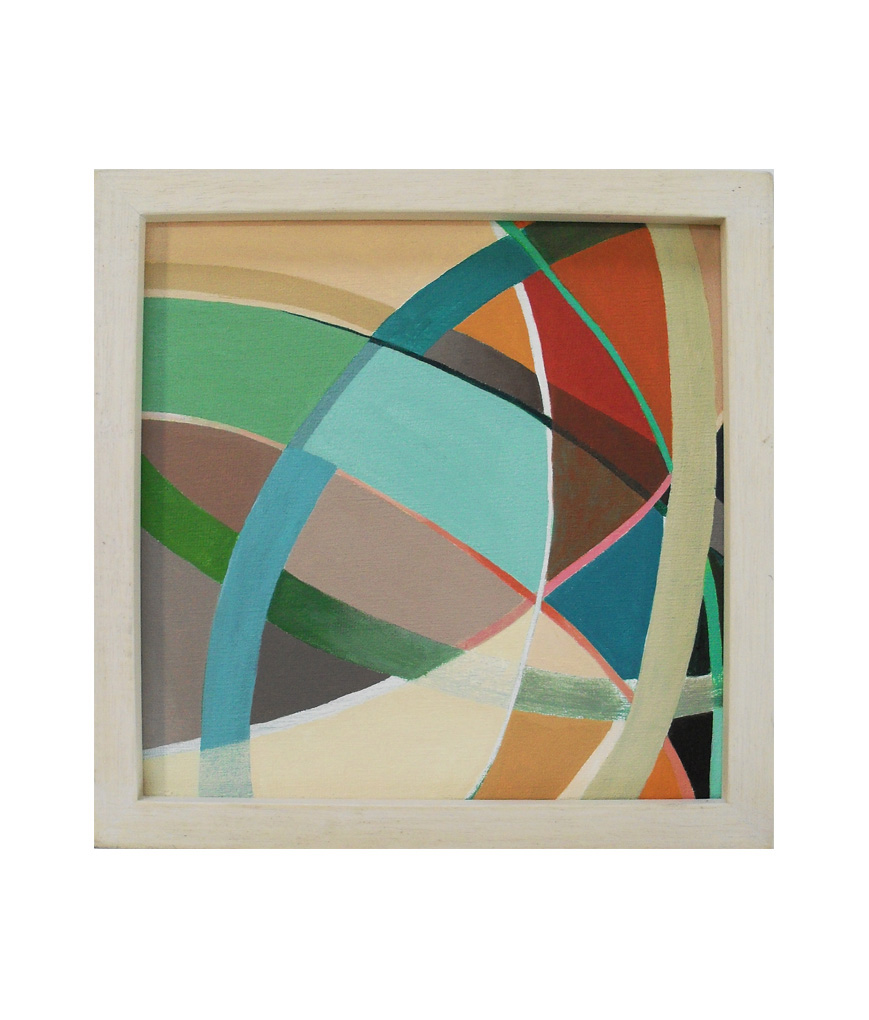
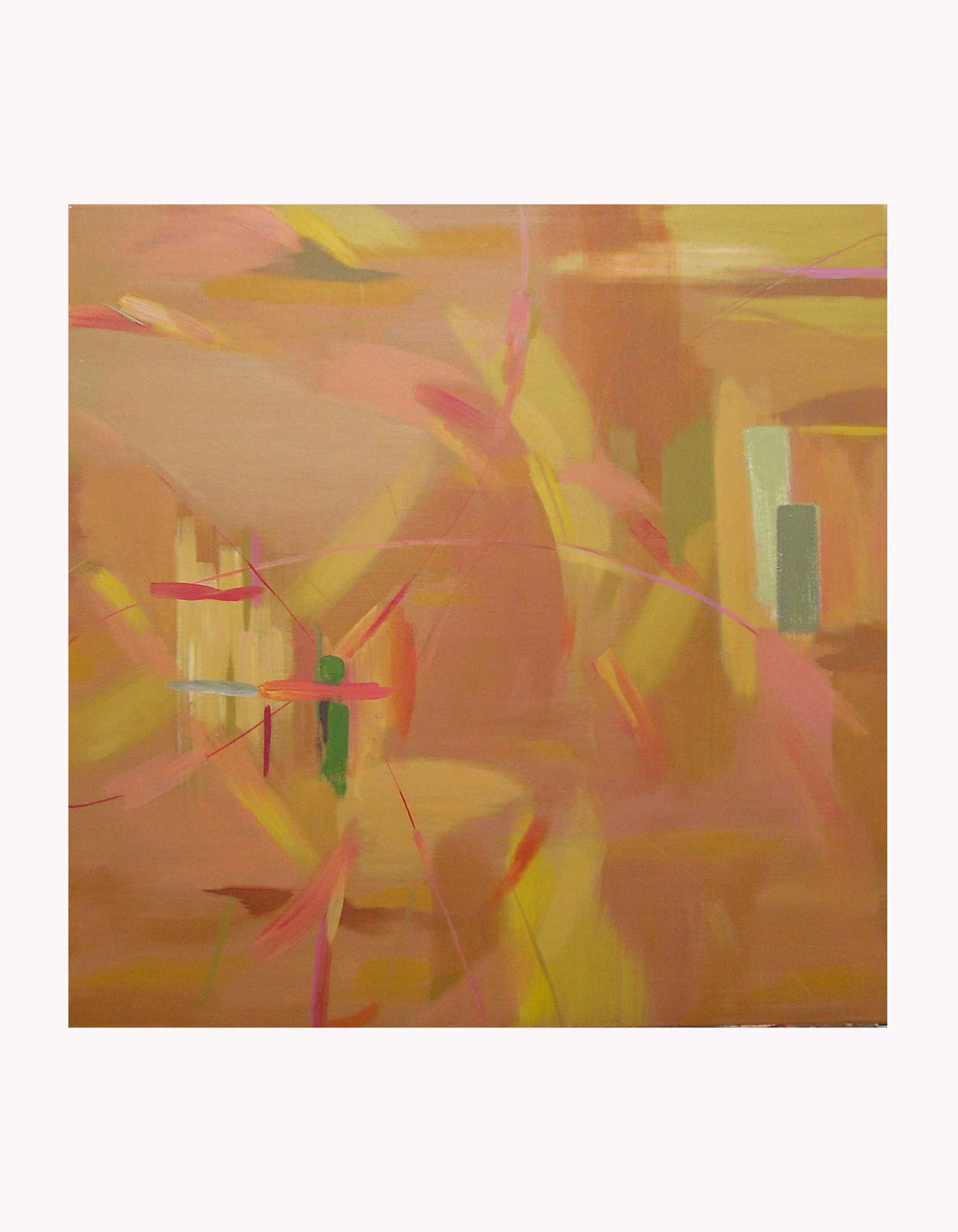
The Intention of Air explores the ability of paintings to embrace the space around them. This is most explicit in the diptychs and in the paintings whose edges are painted in a color other than white, but it occurs in all of Gilda Picabea’s works. Her paintings concentrate forces within their borders that they then convey into the spaces and bodies around them.
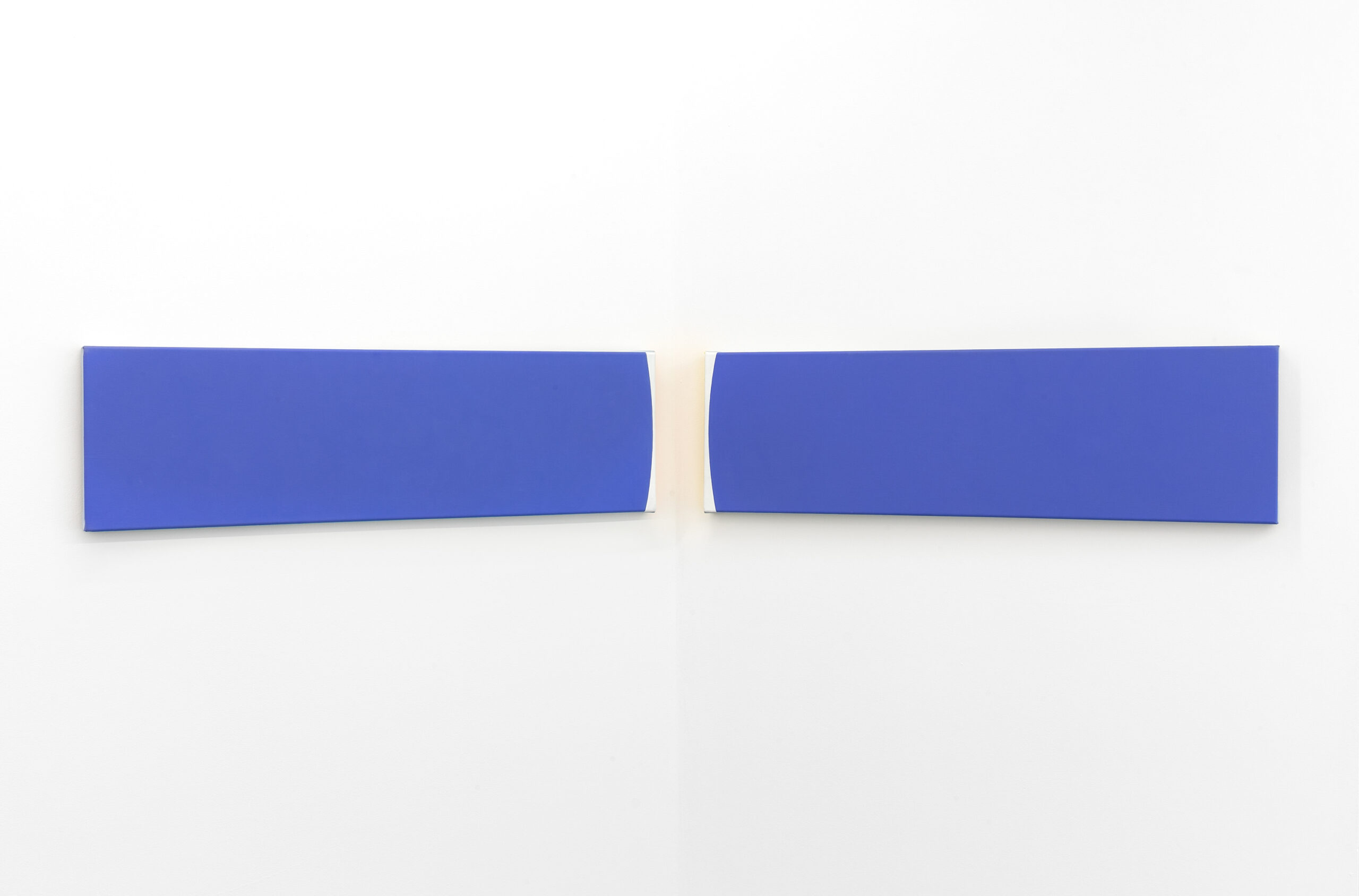
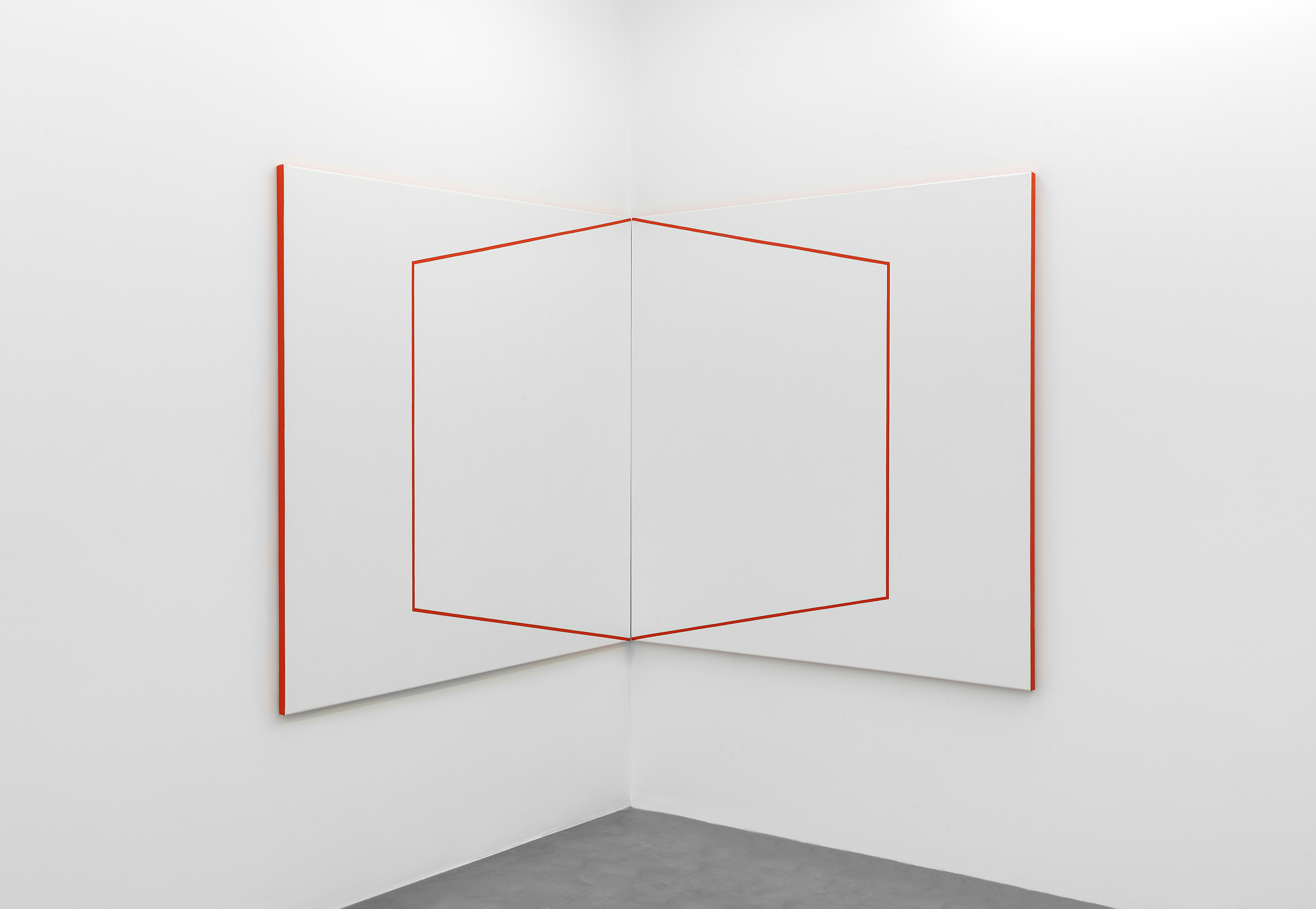
This exploration takes place alongside Picabea’s pursuit of her longstanding interest in painterly frontality. In the diptych Cubo, for example, she works through the relation of the two canvases, which reach towards each other across the corner, while also focusing on the ability of painting to oscillate between pure planarity and the appearance of depth. Cubo invites us to see a cube but also makes us hesitate and focus on the lines and planes that would make up that cube. We cannot reduce the painting to the form that the artist promises in the title and withholds in the work. Our failure is Cubo’s success. The painting activates our senses so powerfully only because our minds and eyes cannot settle on an image.
After a moment in front of any Picabea painting, their minimalist appearance becomes a mirage that flickers in and out, alternating with the maximalist sensation of a work that mobilizes so many resources from the history of painting. Her surfaces conceal and reveal complex density. Her desire to explore painting’s extension into the air can be realized because she delves so deeply into the history and materiality of painting. She says as much in one of the aphoristic notes that she took in preparation for La intención del aire: “Wanting to go beyond painting, is painting,” Querer ir más allá de la pintura, es la pintura.
*
If all a painting has to offer is an image, I can look at it and move on to something else. I keep scrolling. But I cannot do that, I do not want to do that, when faced with Picabea’s paintings. Here, nothing is a mere means to an end. She has suspended that oppressive relation. Every aspect of the painting can exist for itself, at least for a moment, in a flash-like, utopian instant.
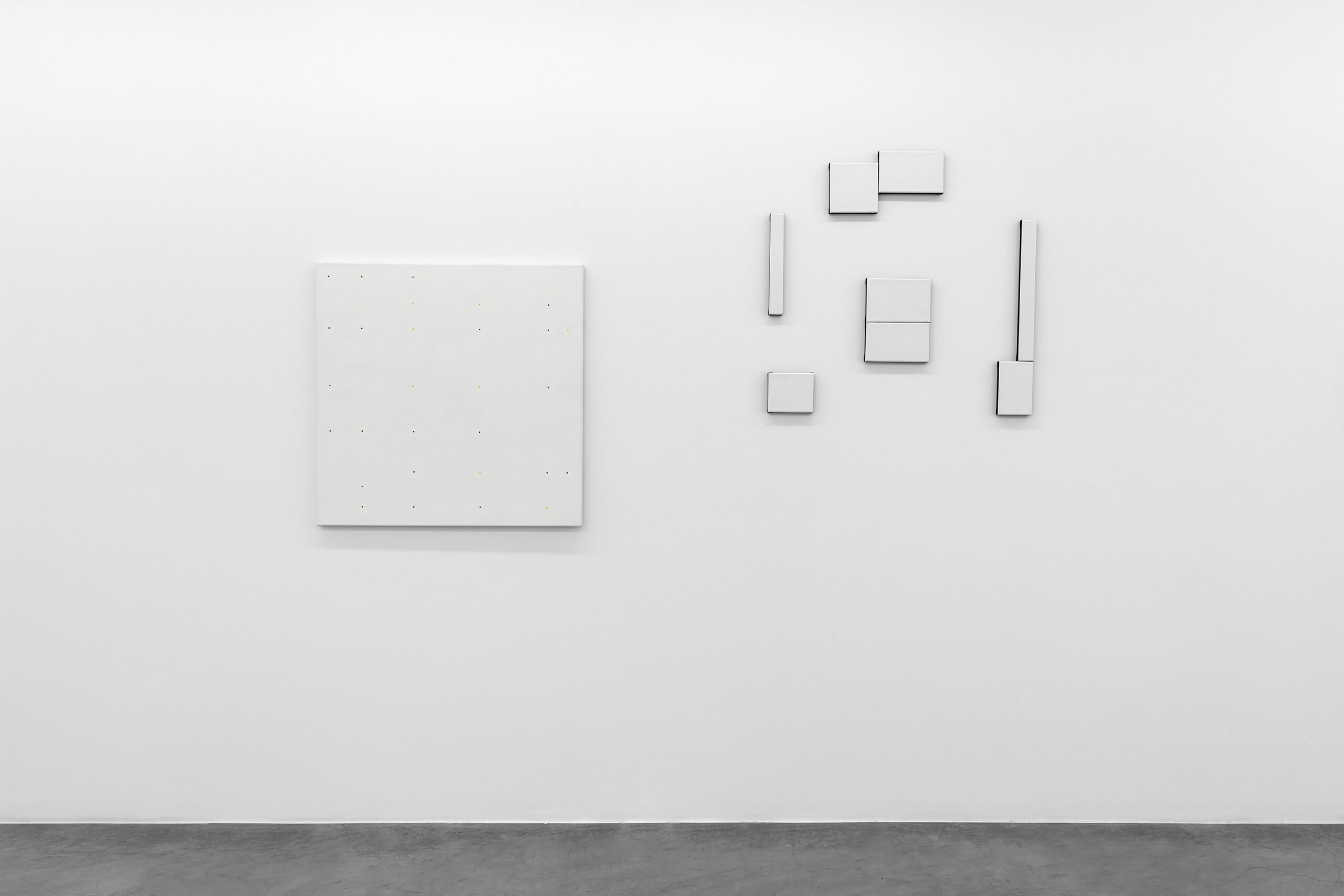
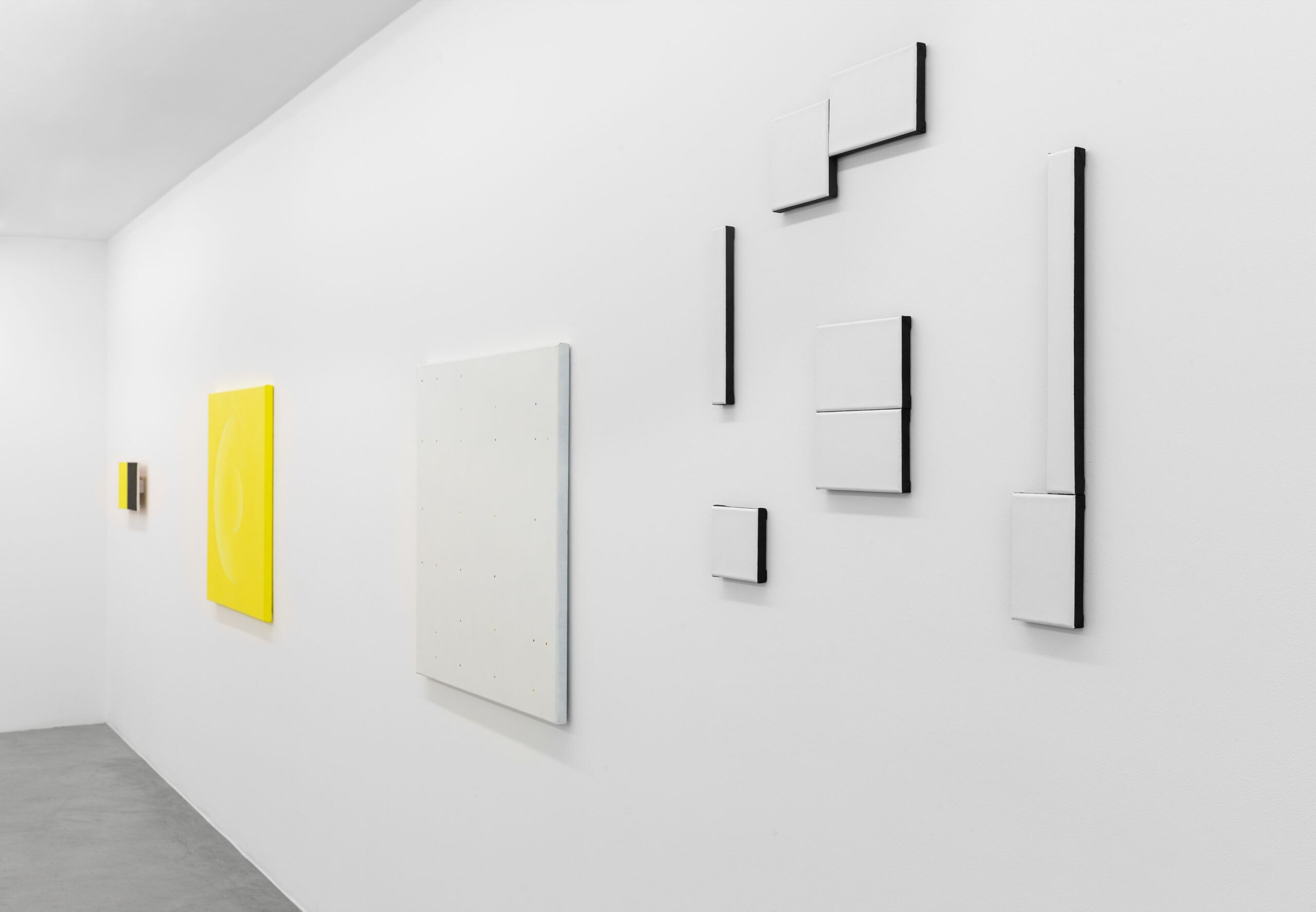
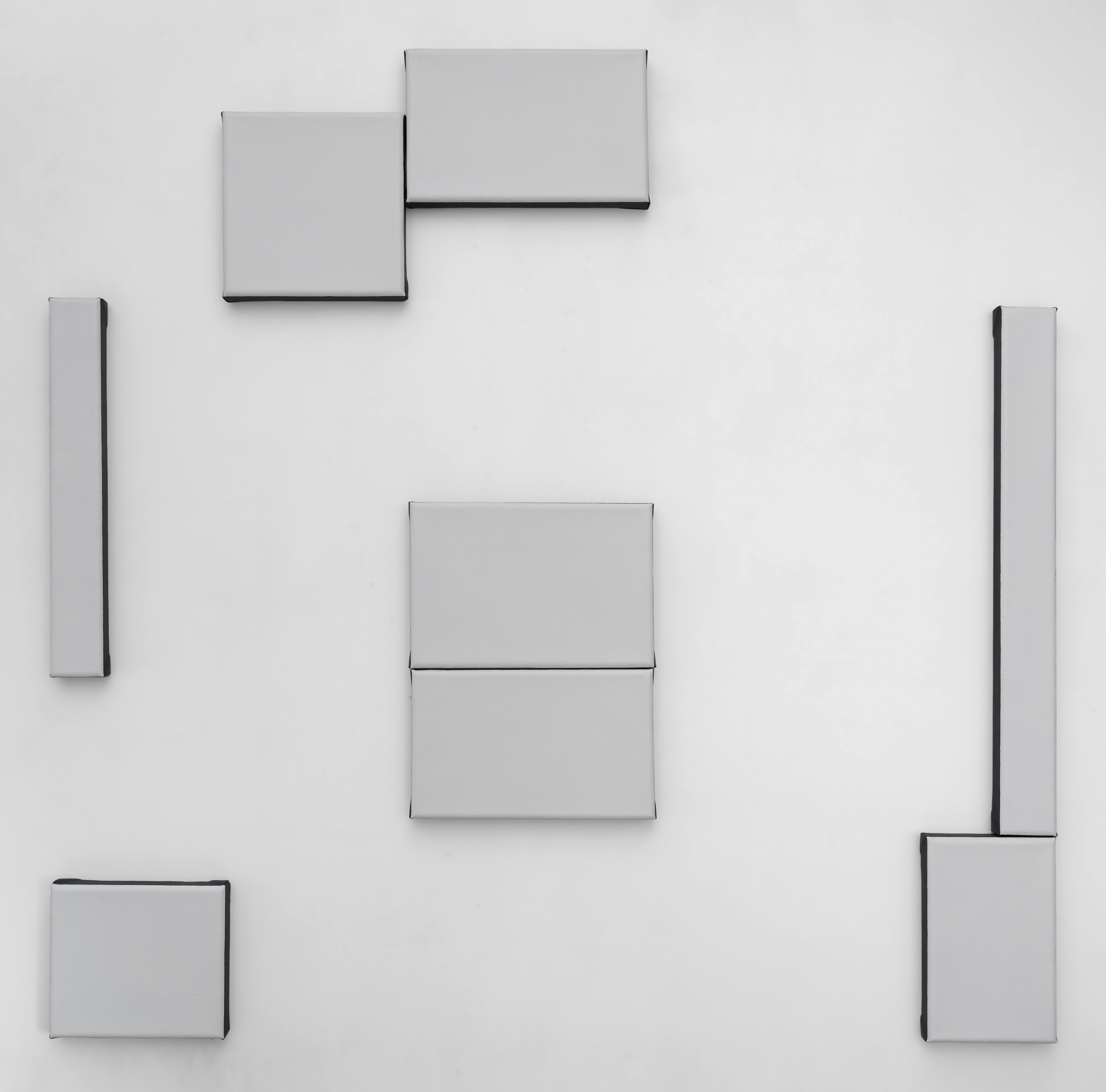
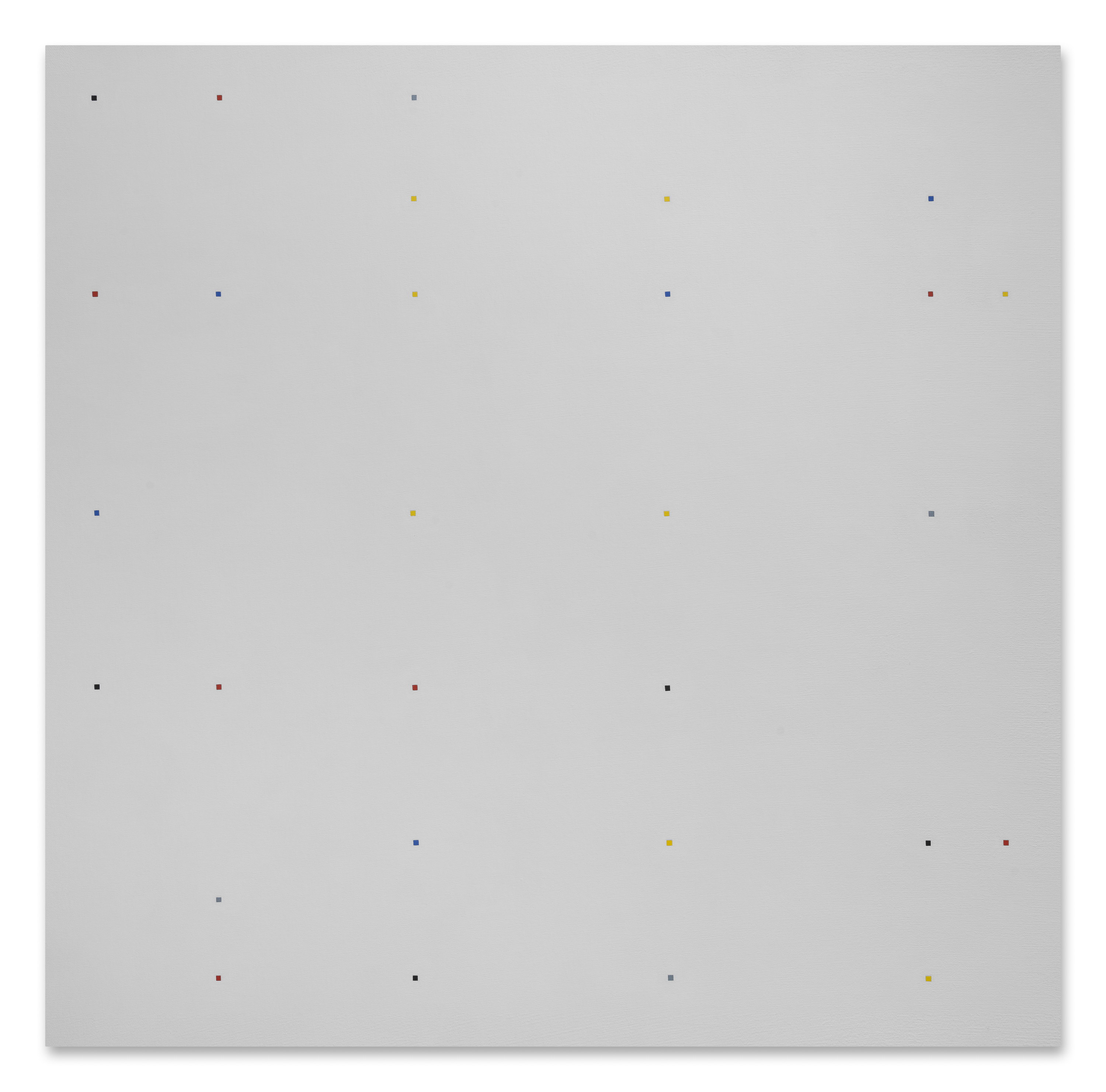
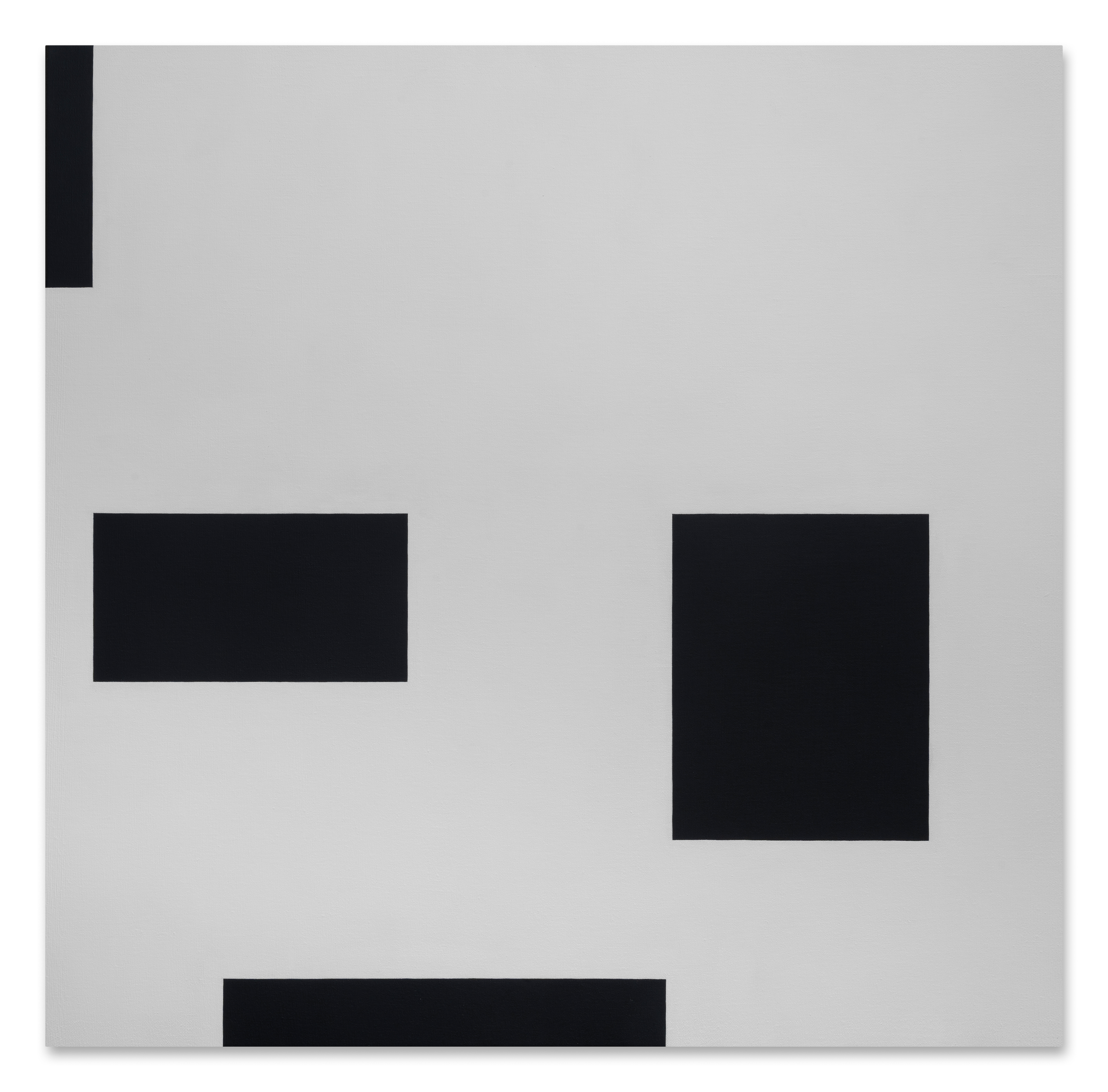
Mondrian is one of the first to dedicate himself to this kind of operation at work in Cubo. Instead of forming an image, the Dutch painter “incessantly returns the eye to constitutive elements of painting: line, color, surface” (Hubert Damisch). Since this return is one of Picabea’s constant concerns, it makes sense that she dedicates three works to Mondrian’s Composition A from 1920.
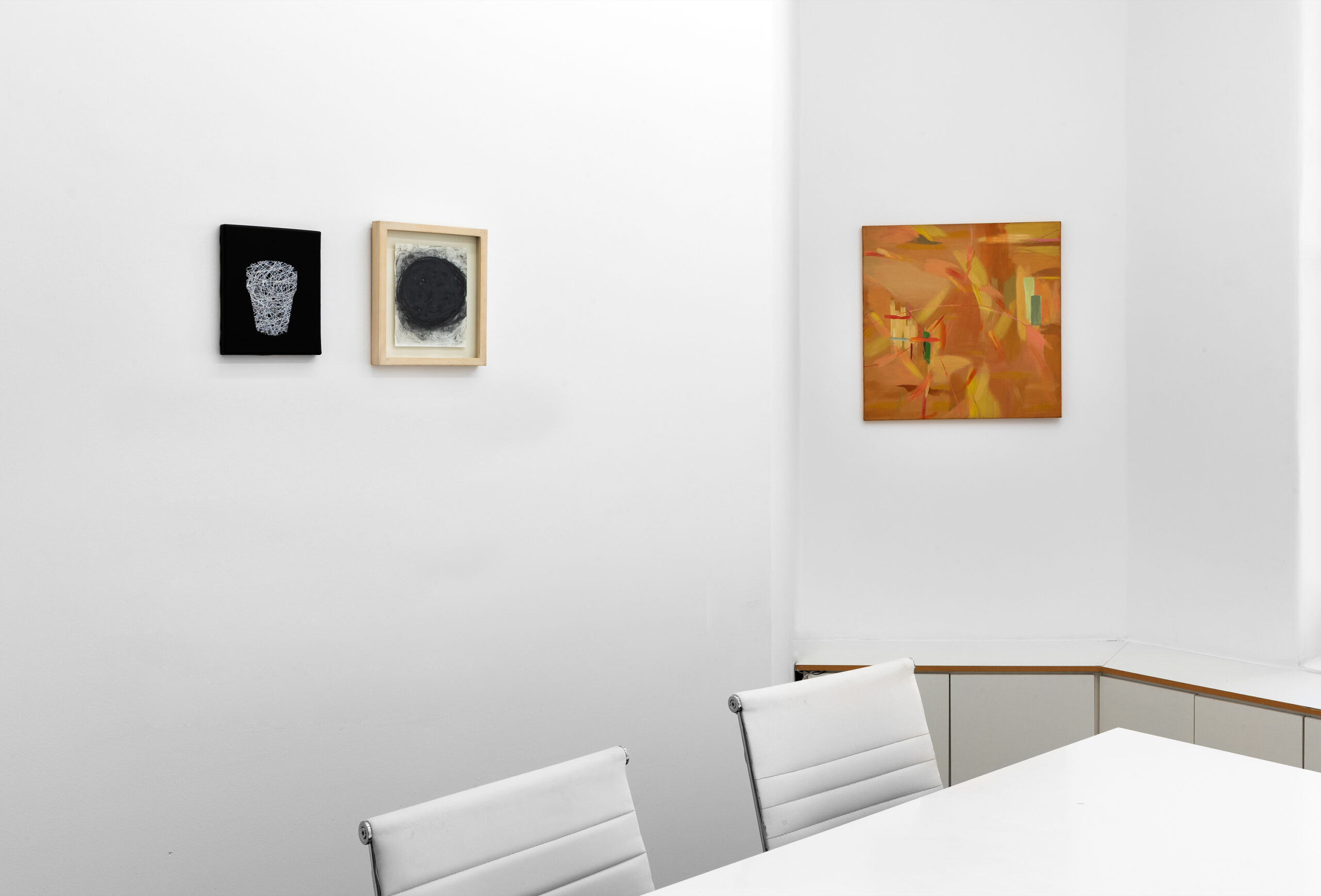
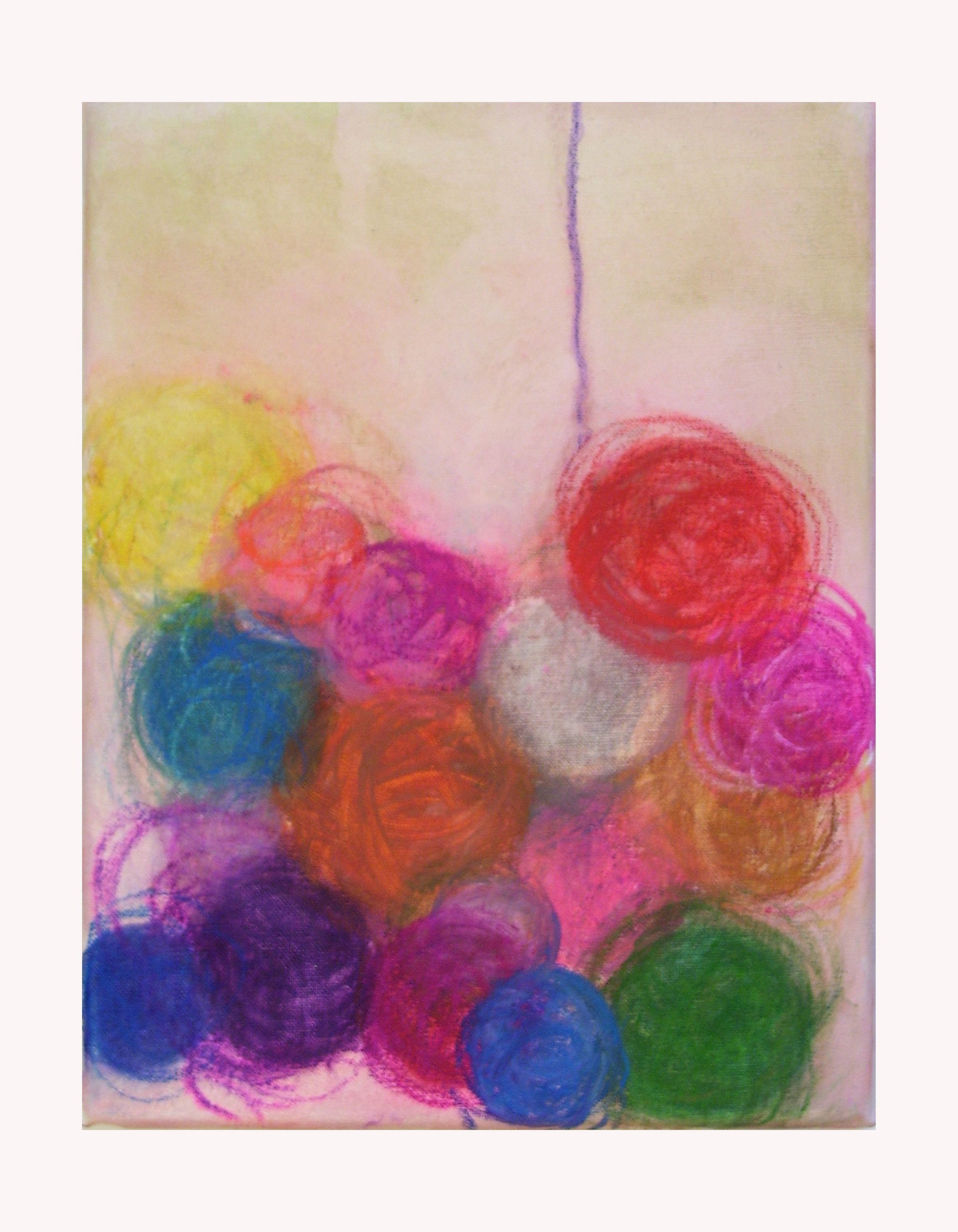
At first glance, Picabea seems to be performing an ascetic reduction when she cuts Mondrian’s work into black and white planes and contracts his color into the small squares. But I also sense a countermovement. I see these works unleashing something that might otherwise remain latent in Mondrian. This becomes apparent when the three Mondrian works are placed in the context of Picabea’s production over the past decades and especially when compared with her works in chalk pastel from the early 2000s, some of which can be seen in Hache’s back room. They resemble balls of yarn but they also look like automatic, informel drawings consisting of purely gestural, non-signifying marks. There is an excess of material and energy here. There is no way that Picabea could have added any more pastel. In some works from that period, the paper is ripped and buckled from the sheer force of the artist’s hand. These are moments in which creation has tipped over into destruction.
In La intención del aire, I see the same intensity of color, the same energy, the same physicality and exorbitant use of materials—but all in a very different form. Once we are attentive to this, once we see that the sobriety of her recent work is among other things a way to channel the power of painting, then Picabea’s works appear as sites of the highest tension. They debunk the myth of abstraction as cold and devoid of drama, as a purely cerebral exercise. The small planes of color in En él radiate with the same intensity as the early works in pastel and as the vibrating monochromatic expanses of Concéntrica and Cóncava Convexa. The puntos are like atoms whose bonds contain forces of great magnitude. Like those tiny colored planes, the smallest canvas in the exhibition, Más allá, at 18 x 15 centimeters, uses color to reach far beyond what might be expected from a work on its almost miniature scale.
The encounter with Mondrian is just one of many examples in Picabea’s decades-long dialogue with the history of painting and with the history of abstraction in particular. Picabea revisits moments from those histories to activate their unrealized potential and to allow us to feel the disconcerting and pleasurable effects of painting that has been pushed to its limits.
Patrick Greaney