
buenos vecinos
CATALINA SCHLIEBENER
cURATED BY LINDSEY BERFOND
mar 19. 2024 — JAN 19. 2025
EXHIBITION VIEW
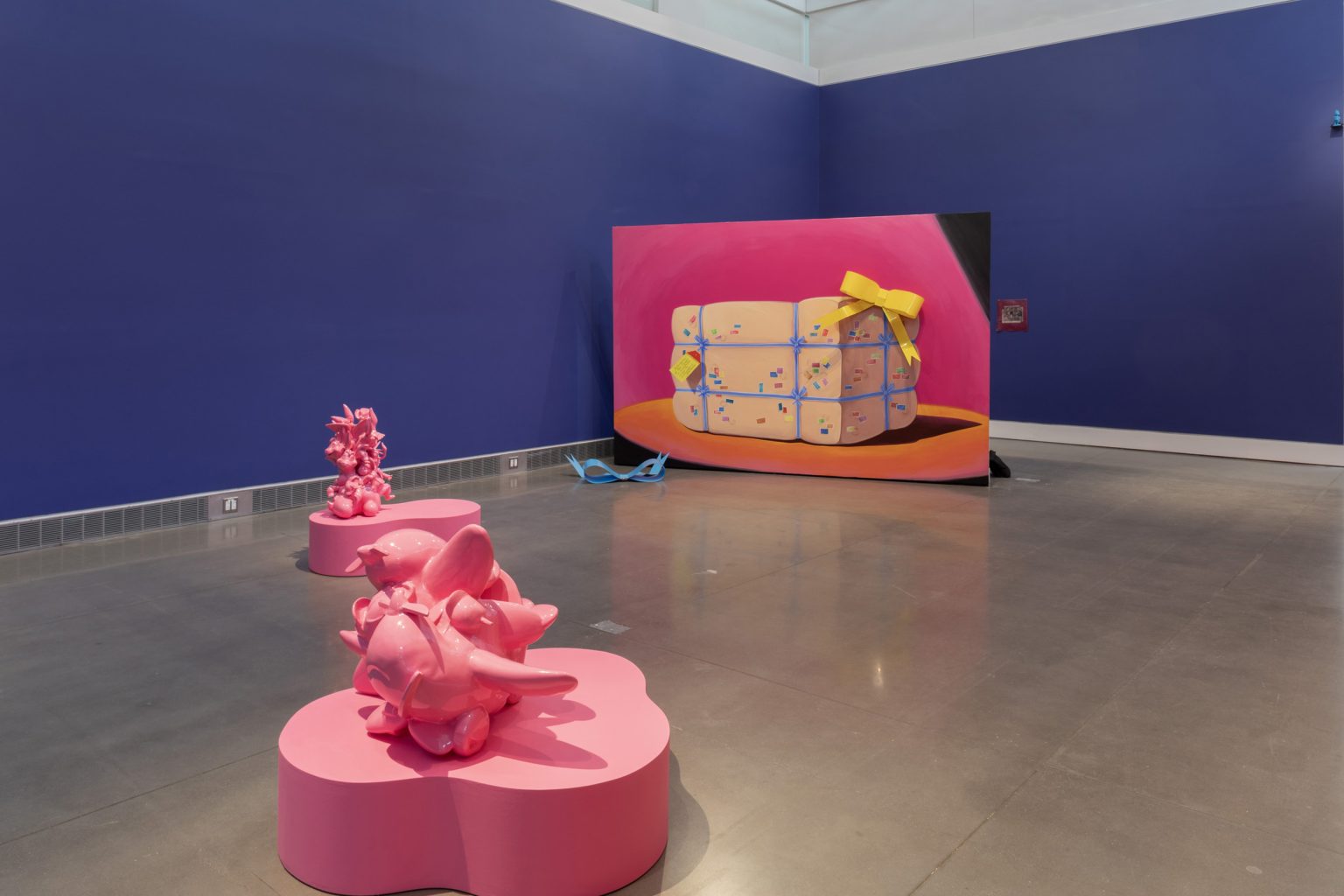
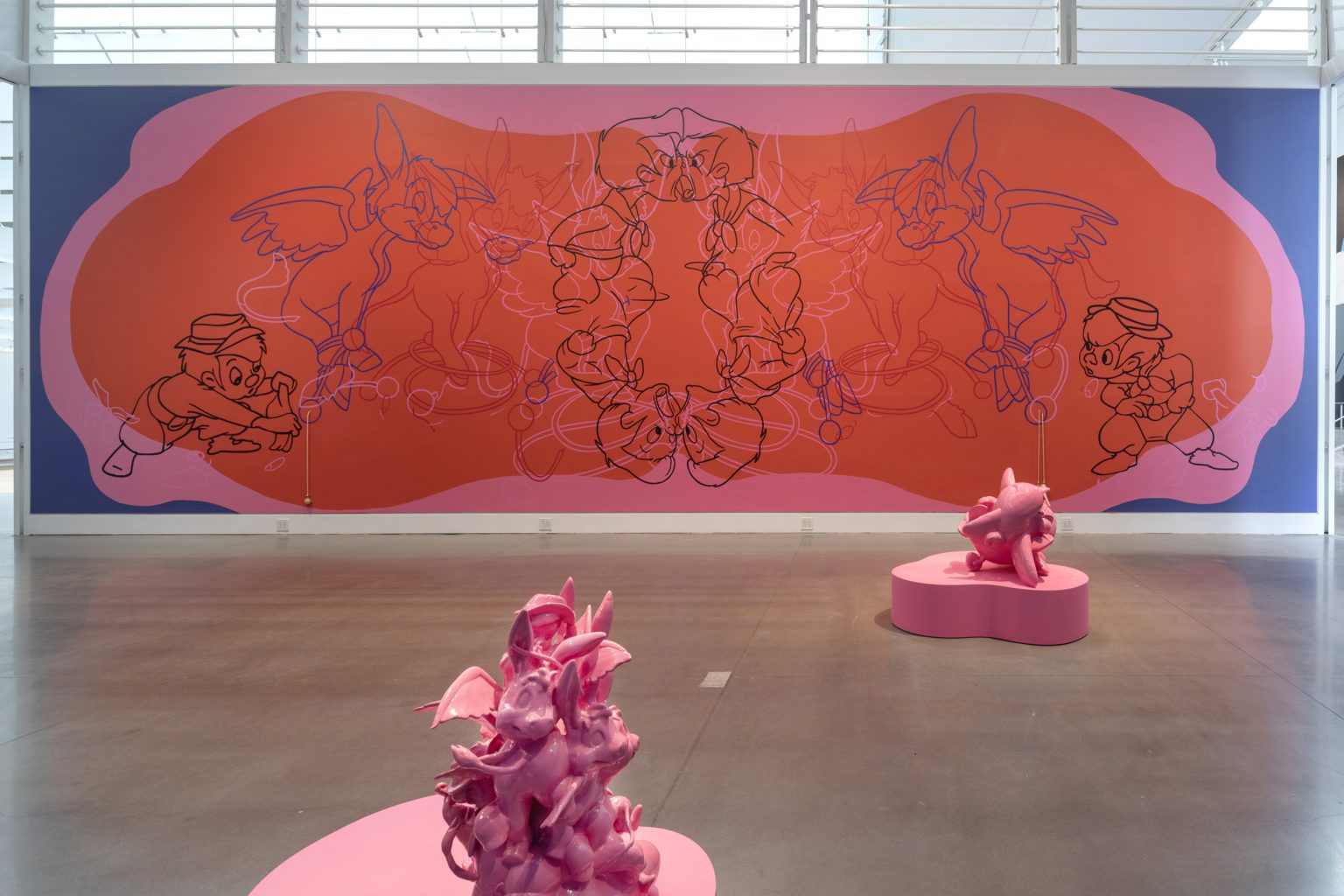
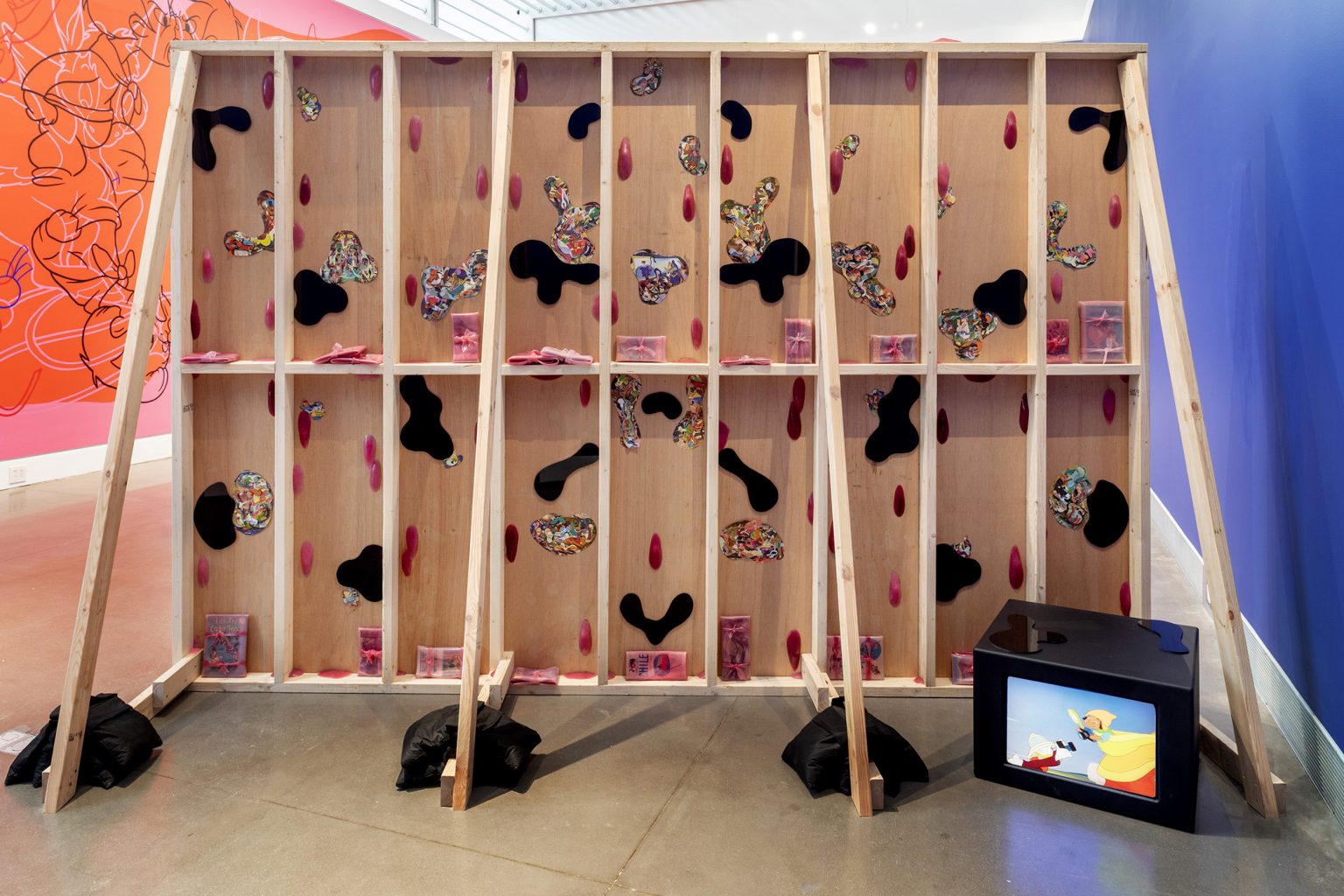
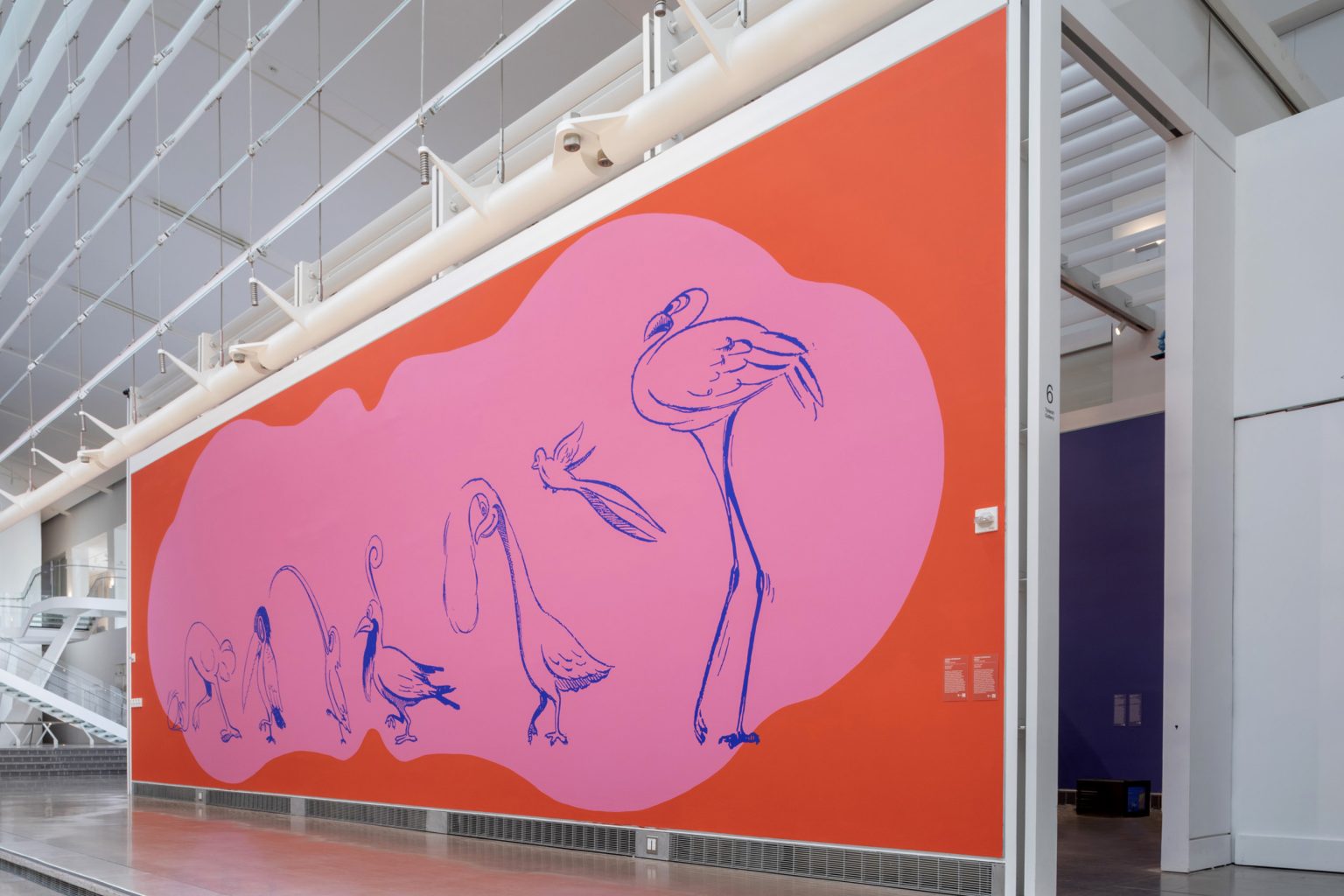
Ph. Hai Zhang
WORKS
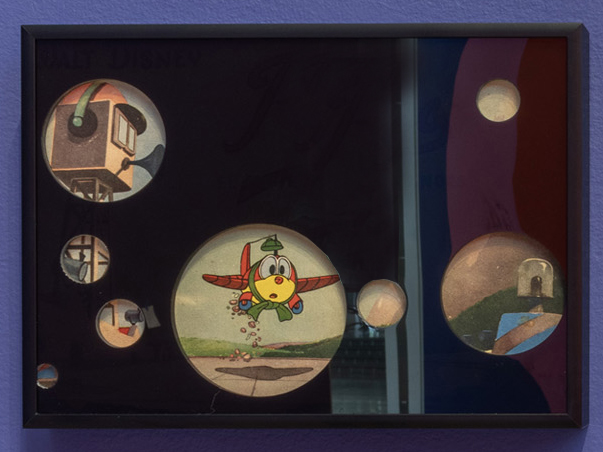
#1. Serie Aves Raras, 2024
Catalina Schliebener
Children’s book illustrations and acrylic painting on paper
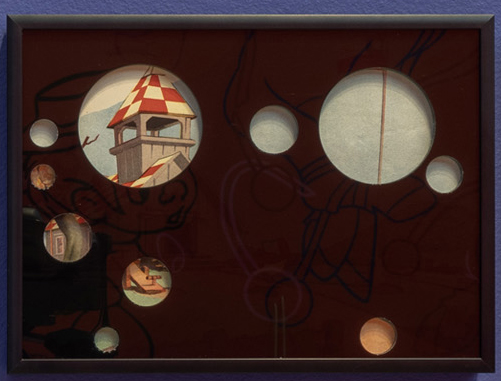
#2. Serie Aves Raras, 2024
Catalina Schliebener
Children’s book illustrations and acrylic painting on paper
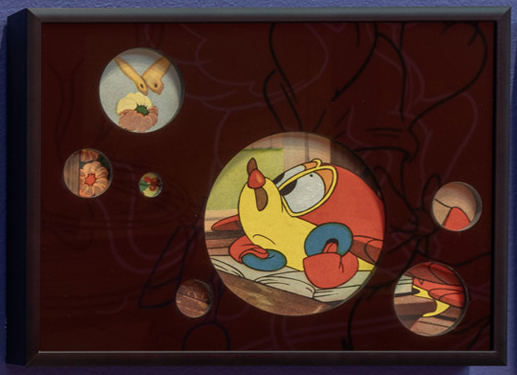
#3. Serie Aves Raras, 2024
Catalina Schliebener
Children’s book illustrations and acrylic painting on paper
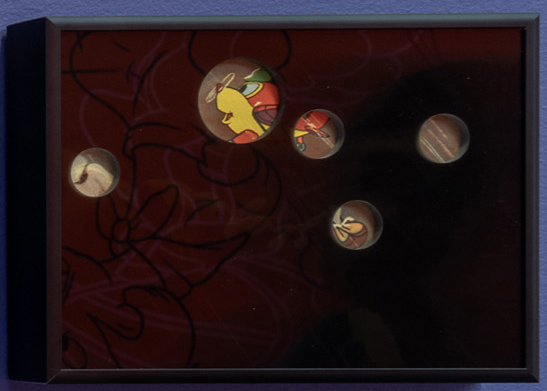
#4. Serie Aves Raras, 2024
Catalina Schliebener
Children’s book illustrations and acrylic painting on paper
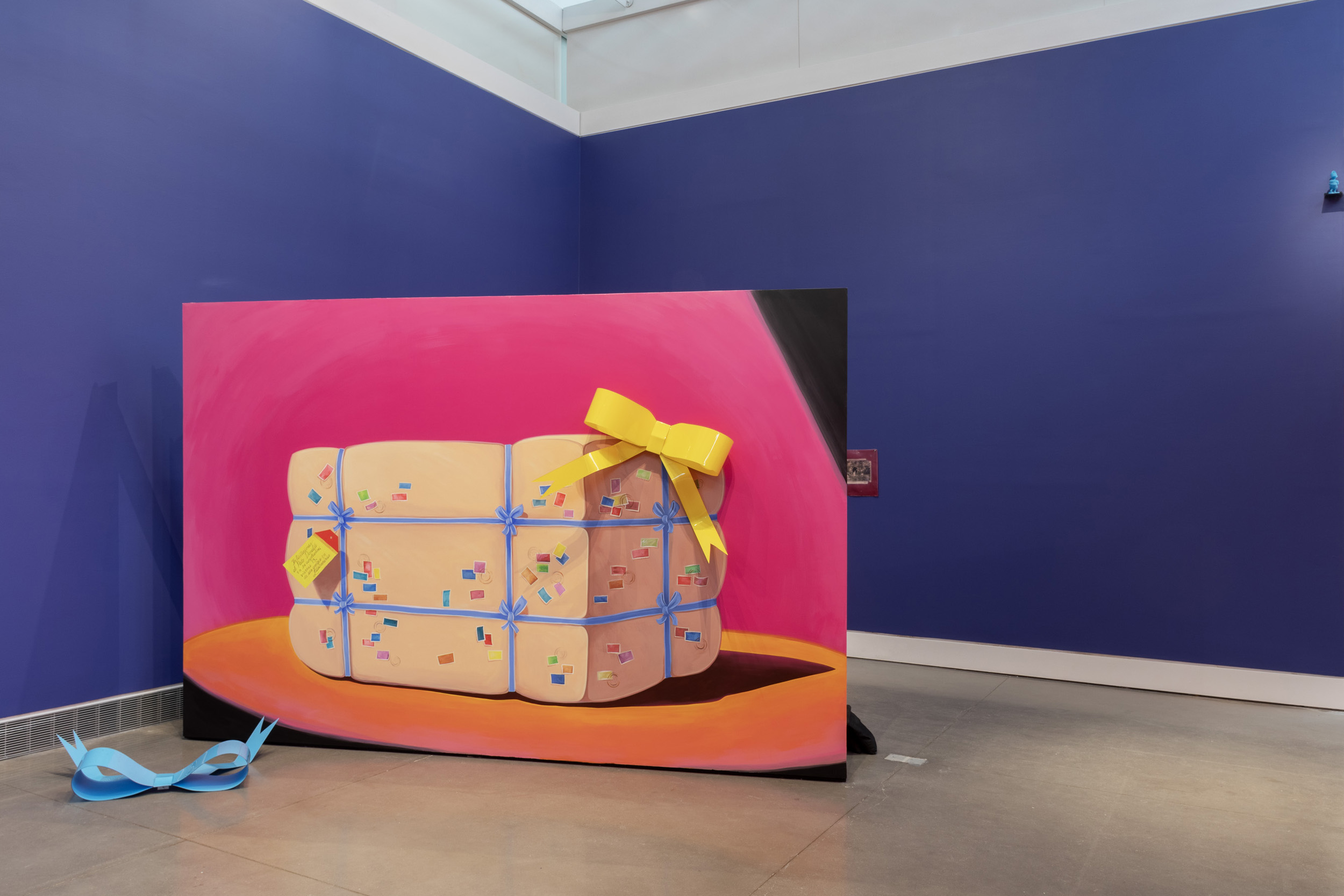
Buenos vecinos Mural, 2023-2024
Catalina Schliebener
Mural on plasterboard
Variable dimensions
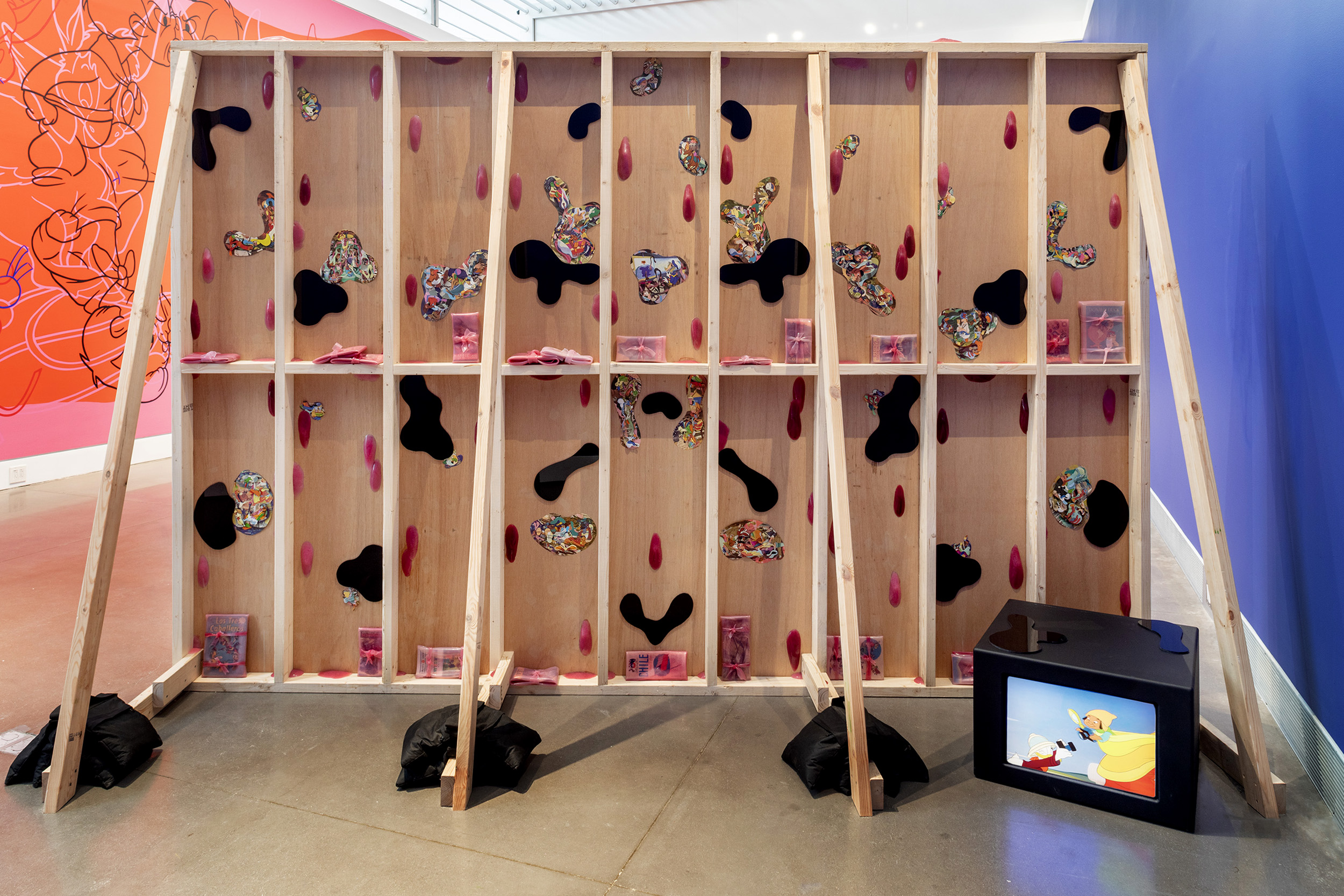
Buenos vecinos Mural, 2023-2024
Catalina Schliebener
Mural on plasterboard
Variable dimensions
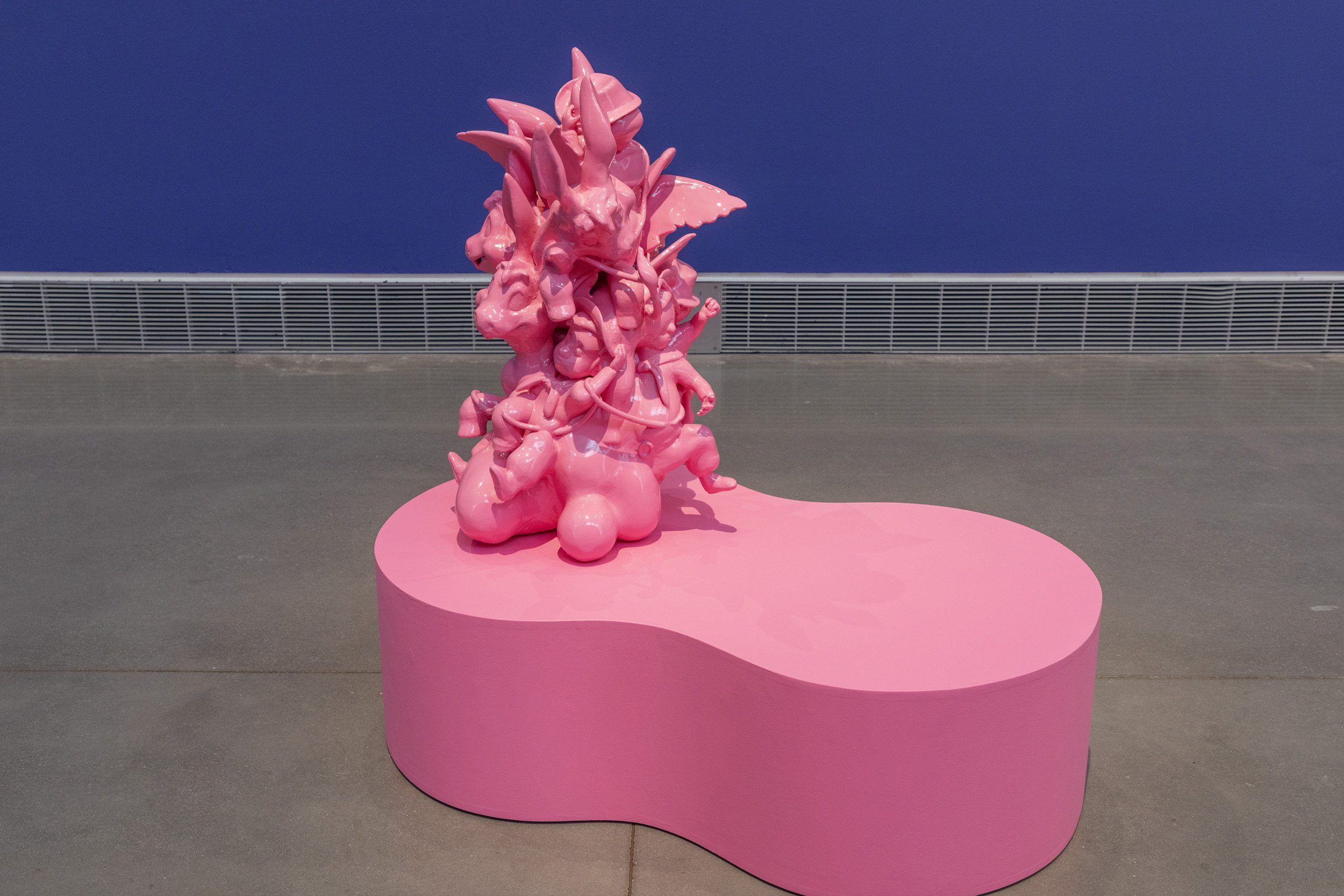
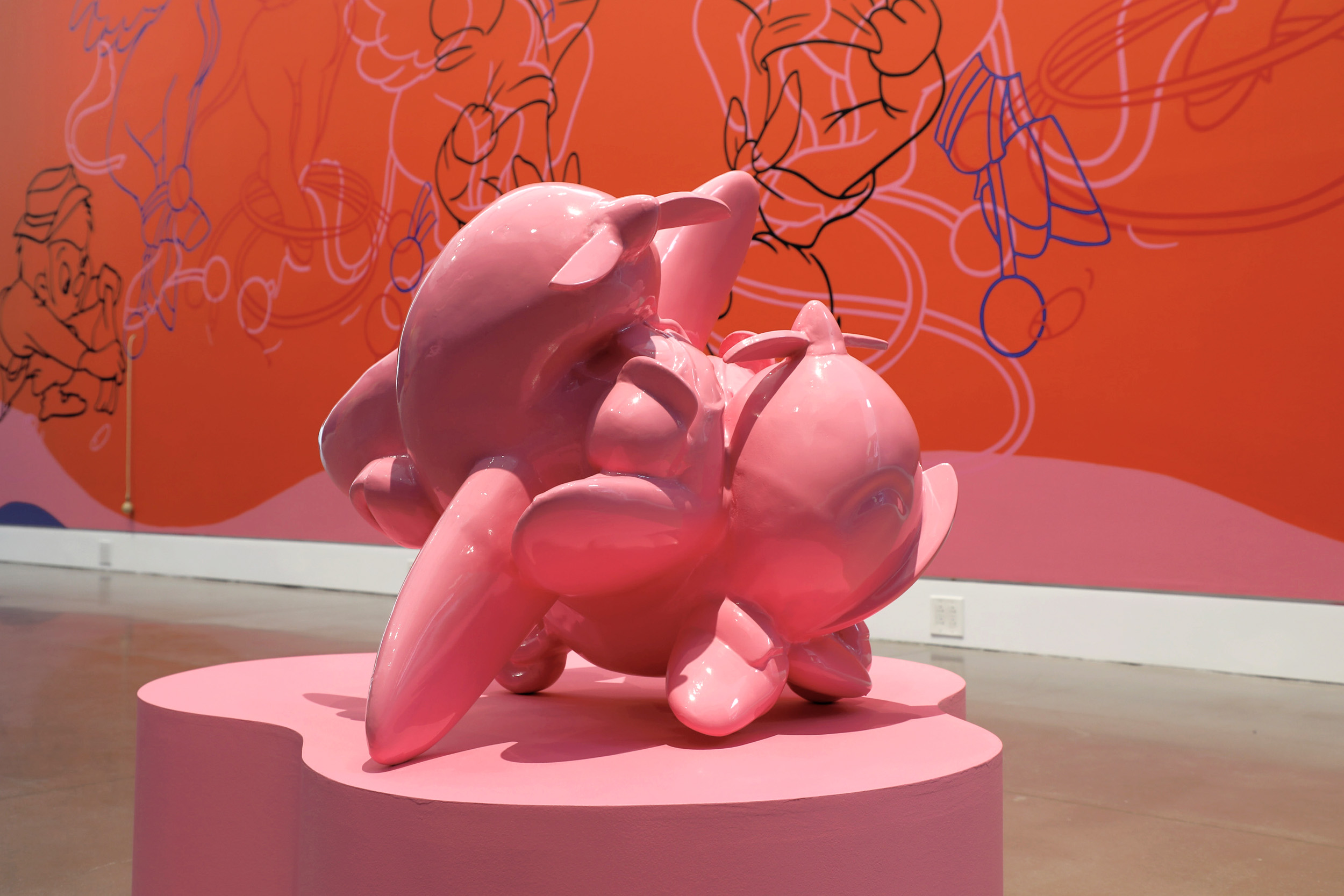
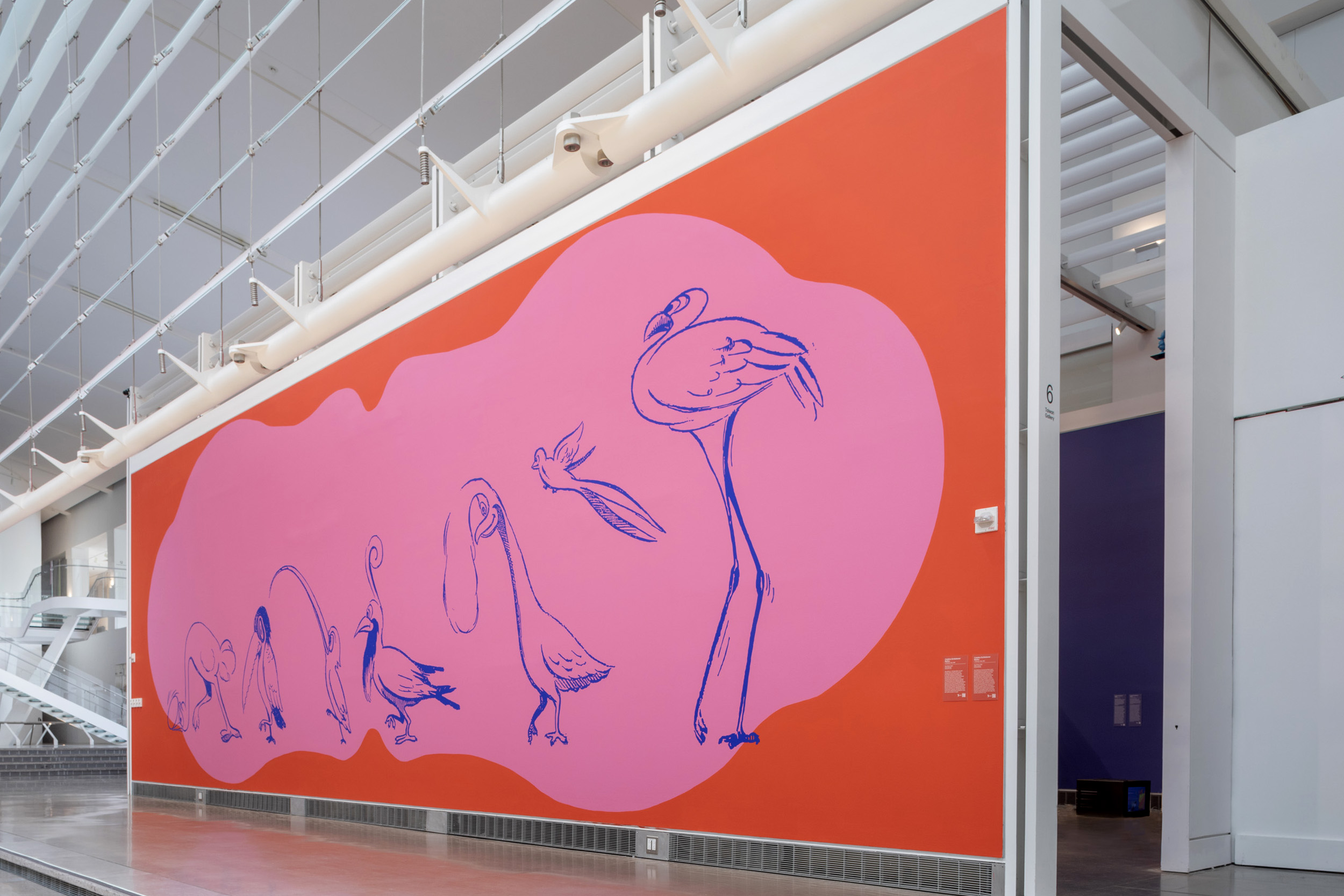
Aves Raras Mural, 2024
Catalina Schliebener
Cut vinyl and acrylic paint on wall
Variable dimensions
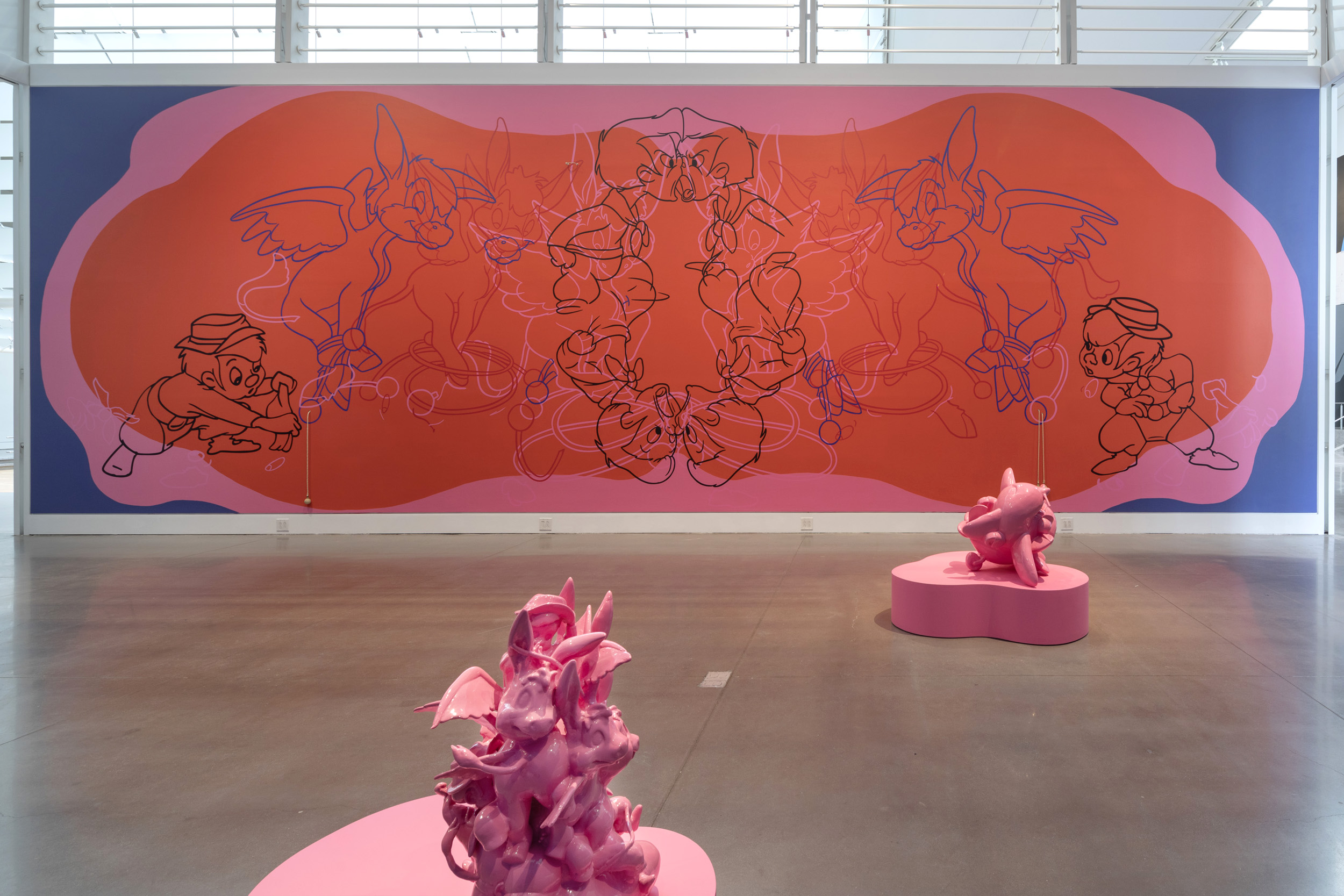
Aves Raras Mural, 2024
Catalina Schliebener
Cut vinyl, acrylic paint, and balls on a wall
Variable dimensions
TEXT
Buenos Vecinos
Queens Museum, NYC
In Buenos Vecinos, which translates to “good neighbors,” Catalina Schliebener Muñoz confronts the impact of two Walt Disney animated films: Saludos Amigos (1942) and Los Tres Caballeros (1944). Both films emerged from Disney’s state-sponsored research trips to South and Central American nations as part of The Good Neighbor Policy, which sought to discourage Nazi influence and improve the United States’ public image in Latin America following its numerous military invasions throughout the early 20th century. Disney and his team of artists toured Argentina, Brazil, Bolivia, Chile, Peru, and Mexico to generate visual motifs and storylines for recognizable characters like Donald Duck and Goofy, as well to create new characters, songs, and dances based on local customs and archetypes.
Schliebener Muñoz examines how these films functioned as a form of soft power, enlisting children’s media towards the economic and geopolitical interests of the United States. Through installation, collage, sculpture, and murals, the artist subverts reductive and exoticized representations of Latin American cultures in the films to center its secondary characters and rebellious underdogs. Schliebener Muñoz also contends with Disney’s depictions of gender, sexuality, race, and Indigeneity by appropriating and fragmenting the films’ imagery to create critical narratives of resistance. Acknowledging the capacity of stories to shape value systems, the exhibition employs mirroring, queer coding, ambiguity, and humor to challenge the imposed boundaries between the real and fictional, natural and synthetic, spectacular and grotesque.
As World War II gave way to the Cold War, the United States abandoned Pan-American unity to support coups and dictatorships in many of the countries depicted in Disney’s films. Schliebener Muñoz incorporates archival materials that address the aftermath of The Good Neighbor Policy, U.S. interventionism, and imperialist ideology through the history of the Queens Museum’s site. This building hosted the former United Nations, where decisions ranged from the 1947 partition of Palestine to the creation of UNICEF, and is also located on the grounds of the 1964/65 New York World’s Fair where Disney premiered the “It’s A Small World” attraction. For Schliebener Muñoz, this context becomes integral to understanding the legacy of Disney’s films alongside hostile foreign policies, and how the imagination of children became a vehicle for the projection of American innocence and exceptionalism on the global stage.
Curated by Lindsey Berfond